Chicken liver can work for saltwater fishing, but it’s niche—messy, short-lived, yet very attractive.
I’ve fished saltwater for years and tested many baits. If you’re asking "is chicken liver good for saltwater fishing," this guide gives a clear, practical answer. I’ll explain when it shines, when it fails, and how to rig, store, and present chicken liver so it catches fish instead of sinking your trip. Expect real tips from hands-on experience, backed by sensible angling logic and field-tested methods.

Why anglers consider chicken liver for saltwater use
Chicken liver is cheap, common, and very smelly. That smell matters in water. Fish use smell to find food over distance. For certain species, that powerful odor triggers aggressive strikes.
Many saltwater anglers use chicken liver as:
- Instant attractor for bottom feeders and opportunists.
- Chum ingredient to cloud water and hold fish near the boat.
- Short-term bait for rock piles, piers, and tidal cuts.
When evaluating "is chicken liver good for saltwater fishing," think about target species. It’s best for scavengers like sea catfish, flounder, croaker, and sometimes snapper. It is less useful for picky or mobile pelagics that chase live bait.

How chicken liver performs in saltwater conditions
Chicken liver gives off a strong scent but breaks down fast. In strong current or surf, liver can wash off hooks quickly. That limits use in many saltwater spots.
Performance notes:
- Best in slow water, sheltered bays, and around structure.
- Works well on light tackle for bottom feeders.
- Poor hook retention in heavy surf or on fast-moving gear.
In my experience, asking "is chicken liver good for saltwater fishing" depends on tide and target. I caught flounder and sea catfish using fresh liver in a calm creek mouth, but lost bait fast on an exposed jetty. Use it where scent lingers and fish can find slow, soft food.

PAA-style quick questions
Will chicken liver attract sharks?
Yes. The scent can draw sharks, especially small coastal species. Use caution and avoid crowded beaches.
Does chicken liver work in clear water?
Less so. Clear water favors visual bait and live offerings. Liver still works when fish are actively feeding on carrion.
How long does chicken liver stay effective?
Only a short time. Expect strong scent for 10–30 minutes on a hook, depending on water flow and temperature.
Best rigs and presentation for chicken liver
How you present liver matters more than the bait itself. Choose rigs that keep liver on the hook and close to the bottom.
Recommended rigs:
- Single bait-holder or circle hook to grab a chunk of liver.
- Small mesh or nylon sock to hold liver as a slow-release chum bag.
- Drop-shot style or Carolina rig to hover liver near structure.
Hooking tips:
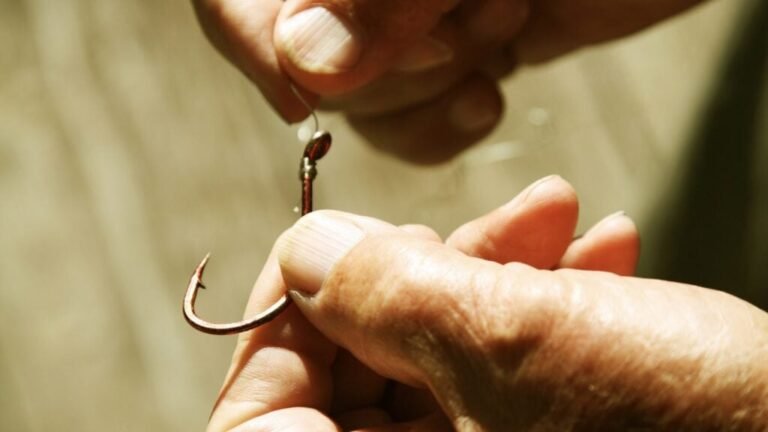
- Thread liver onto the shank, not just the point, to reduce slippage.
- Use small superglue dab or a piece of bait elastic to secure larger chunks.
- For boat chumming, freeze liver into balls or use a mesh bag to create a lasting scent trail.
Remember the key question, "is chicken liver good for saltwater fishing"? It is, when you present it slowly and protect it from currents and abrasion.
Practical tips and personal experience
I once fished an estuary at low tide with fresh chicken liver. I hooked several sea catfish and one big flounder in an hour. Lesson learned: prepare bait in advance and work shallow edges.
Practical tips I use:
- Keep a cooler with ice and a sealed bag. Fresh liver spoils fast.
- Bring spare hooks and bait needles for quick re-baiting.
- Use a light leader and small hooks for timid bottom fish; switch to wire if toothy fish strike.
- Avoid over-chumming; too much can mask the bite and bring unwanted predators.
From my trials, the answer to "is chicken liver good for saltwater fishing" is situational. It excelled in calm estuaries but failed on windy surf sessions.

Benefits and limitations
Benefits:
- Inexpensive and easy to source.
- Highly attractive scent for scavengers.
- Good for quick sessions and emergency bait.
Limitations:
- Poor durability on the hook in currents.
- Messy to handle and store.
- Can attract unwanted species like sharks or aggressive crabs.
- Not ideal for many saltwater species that prefer live or crustacean baits.
Weigh these pros and cons when you ask "is chicken liver good for saltwater fishing"—it’s a solid tool in a specific toolbox, not a universal solution.

Safety, storage, and regulations
Handle chicken liver like any raw meat. Keep it cold and avoid cross-contamination. Dispose of unused bait responsibly to avoid local complaints or wildlife issues.
Safety checklist:
- Store on ice in sealed bags.
- Wash hands and gear after handling.
- Use proper disposal bins or take bait off-site.
- Check local rules—some areas restrict certain baits or chumming.
Also consider wildlife safety. When you chum with chicken liver, shorelines can attract predators. Be aware of local beaches and anglers.
Frequently Asked Questions of is chicken liver good for saltwater fishing
Is chicken liver a good bait for flounder?
Yes. Flounder often take soft, smelly baits on the bottom, and chicken liver can trigger quick strikes in calm water.
Can chicken liver be used as chum in saltwater?
Yes. It makes a strong chum and can hold fish near the boat, but use it sparingly to avoid attracting large predators.
How should I rig chicken liver for saltwater fishing?
Use a bait-holder or circle hook and secure the liver with elastic or a small mesh bag to reduce slippage.
Will chicken liver attract sharks and rays?
It can. The scent can attract both, so use caution and avoid chumming near public swimming areas.
How long does a chicken liver bait last on a hook?
Typically 10–30 minutes, depending on current and fish activity. Freeze or bag liver to lengthen its useful time when possible.
Conclusion
Chicken liver can be a useful, low-cost bait for saltwater fishing when used in the right places and with the right rigs. It excels for bottom feeders in calm water, works well for quick trips, and serves as an effective chum. But it is messy, short-lived, and can draw unwanted predators. Try it on a small scale first, keep it fresh, and match presentation to conditions. If you found these tips helpful, try a session with secured liver and share your results or questions below.