Yes — chumming can help catch fish through the ice, but effectiveness depends on fish and conditions.
I’ve ice fished for years and tested chumming on lakes big and small. This article explains does chumming work for ice fishing, when it helps, how to do it right, legal limits, and real mistakes I learned from. Read on for practical tips, clear examples, and simple steps you can try on your next trip.
How chumming works under the ice
Chumming means adding food, scents, or bait bits to the water to attract fish. Under ice, water movement is slow. Scents spread more slowly than open water. Fish use smell, sight, and lateral line cues to find food. Chumming creates a scent cloud near your hole that can draw curious fish.
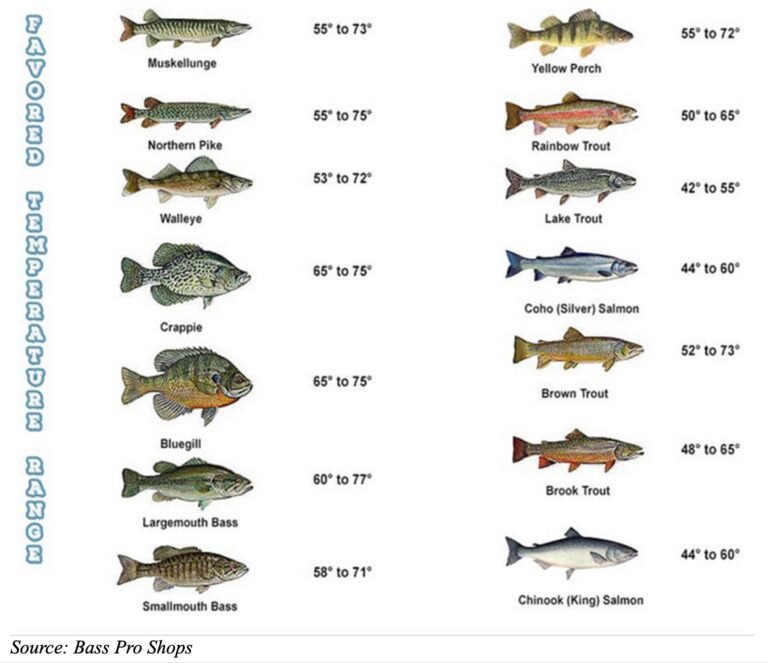
Chumming is not magic. It increases local scent and food signals. That can bring fish close to your jig. But success depends on water temperature, species, and bait choice. In short, chumming sets the table. You still need a good presentation to get bites.
Does chumming work for ice fishing? Science and fish behavior
When people ask does chumming work for ice fishing, they want to know if fish truly follow scent under the ice. Research and fisheries data show fish respond to scent and food particles. Cold water slows fish metabolism. Many species feed less in very cold water. That can make chumming less effective in the deep freeze.
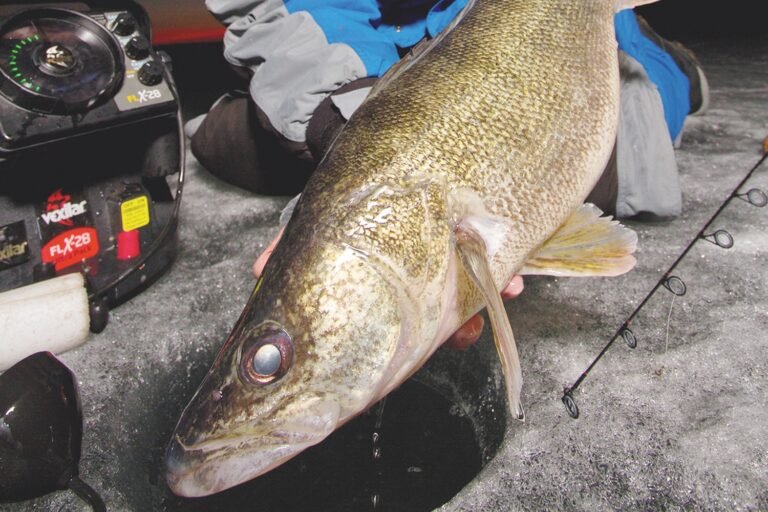
Some species are more scent-driven. Walleye and pike often respond to scent and flash. Panfish like bluegill and crappie may follow visual cues more than scent. Trout can be picky and sometimes spook with too much disturbance. So, does chumming work for ice fishing? Yes sometimes, and rarely always.
When chumming helps: species, timing, and conditions
Chumming is more likely to help when you match species and conditions:
- Walleye and pike
- These predators chase scent and movement. Chumming can bring them into range.
- During slow feeding periods
- Low light and dusk can boost success. Fish become more active then.
- Near structure
- Rocks, weed edges, and drop-offs concentrate fish. Chumming near structure focuses scent.
- Transition seasons
- Early ice and late ice days see higher fish movement than the coldest mid-winter days.
I’ve found chumming works best on cloudy days or at first light. On bright, calm days, fish can be sluggish and ignore added scent.
How to chum effectively for ice fishing: step-by-step
If you decide to try chumming, follow these steps to improve odds:
- Choose the right chum
- Use small bait pieces, fish bits, or commercially made scent paste. Keep particles small so they disperse under ice.
- Place chum near structure
- Drop chum close to rock edges, weed lines, or a known hole. Fish naturally patrol those areas.
- Use light disturbance
- Don’t slam a bucket on the ice. Lower chum slowly to reduce noise that can spook fish.
- Combine scent with action
- Jig above the chum zone. Make short, natural twitches to mimic wounded prey.
- Watch the line, then move
- If bites don’t start within 20–30 minutes, reposition the hole. Chumming draws fish slowly under some conditions.
In my experience, small, regular chum doses work better than one big dump. Keep the scent steady but subtle.
Practical tips from real ice days
I learned several hard lessons about chumming on ice:
- Start small
- Once, I dumped a big bucket near a hole and later watched fish vanish. Loud disturbance and sudden food cloud sometimes sends fish away.
- Match local bait
- Using bait local fish already eat improves results. In panfish lakes, tiny insect-like baits beat big chunks.
- Use a scent sock or pouch
- A mesh bag lets particles escape slowly. It reduces visual mess and spreads scent gradually.
- Keep holes away from heavy traffic
- Human activity shakes fish. Try chumming on quieter parts of the lake.
These tips come from dozens of trips and many trial-and-error sessions. They helped me convert days with few bites into solid ice action.

Legal, ethical, and safety considerations
Before chumming, check local rules. Some states and provinces limit chumming, or ban it in certain waters. Regulations change, so verify before you go. Ethical anglers avoid overfeeding or polluting. Use biodegradable chum when possible.
Safety matters when working with chum on ice. Keep gear organized to avoid spills. Keep the ice surface clean so others don’t slip. Respect local fish populations and harvest limits.
Alternatives and complements to chumming
If chumming seems risky or banned, try these options:
- Use scented jigs
- Scented soft plastics offer attractant without loose chum.
- Live bait presentations
- A lively minnow often outperforms loose chum.
- Electronics and fish finders
- Find active fish first, then present bait accurately.
- Cover natural forage areas
- Fish edges and transitions where prey naturally gathers.
These alternatives can mimic chumming benefits while staying within rules and reducing mess.
People also ask
Does chumming spook fish under the ice?
Chumming can spook fish if you make loud disturbances. Slow, small doses usually avoid scaring fish.
How long does chum take to attract fish in winter?
Chum can take 10 to 60 minutes to attract fish, depending on water temperature and current under the ice.
Is it legal to chum through the ice?
Legality varies by region. Always check local fishing regulations before chumming.
What is the best chum for ice fishing?
Small fish bits, minced bait, or scent paste work best. Match the local prey and keep particles small.
Should I chum from the same hole all day?
No. If you don’t see activity after reasonable time, move to a new hole or change depth and presentation.
Frequently Asked Questions of does chumming work for ice fishing
Will chumming ruin future fishing spots?
Chumming usually does not ruin spots if done moderately. Overfeeding or heavy use can change fish patterns temporarily.
Can chumming attract predators that are dangerous?
Chumming can attract larger predators like pike. Use caution and keep a safe distance when handling fish.
How much chum is too much for ice fishing?
Too much is a big dump that stirs the water and scares fish. Small, repeated doses are better.
Does water depth matter for chumming on ice?
Yes. Shallow areas warm slightly and can concentrate scent. Deep cold water slows scent spread and fish response.
Can I use commercial scents instead of real chum?
Yes. Commercial scents can be effective and are less messy. Use ones that match local forage.
Conclusion
Chumming can work for ice fishing, but it is not a guaranteed fix. Success depends on species, timing, presentation, and local rules. Use small, steady chum doses, place them near structure, and combine scent with good jigging. Start simple, observe, and adjust based on what the fish tell you. Try these tips on your next trip, share your results, and subscribe or comment to keep the conversation going.