Many saltwater species do bite at night, especially around tides, lights, and low light periods.
I’ve fished coastal waters for years and studied fish behavior. This guide explains whether do fish bite at night in saltwater, why they do, which species are most active, and how to catch them safely. Read on for hands-on tips, proven strategies, and practical examples that make night fishing more productive and enjoyable.

Understanding night feeding behavior
Fish change habits when daylight fades. Many saltwater species switch to night feeding to use cover and hunt more efficiently. Understanding how sight, sound, and scent work at night helps explain why do fish bite at night in saltwater.
Predators often use the dark to ambush prey. Prey species move to shallow flats or structure for safety, creating great feeding opportunities. Knowing these patterns makes night trips more predictable.

Why fish bite at night in saltwater
Several environmental and biological reasons explain night strikes. Lower light levels reduce the risk for predators. That encourages active hunting and more aggressive bites.
Key factors that make fish bite at night in saltwater:
- Light and shadow: Reduced light hides anglers and lures, letting predators strike more confidently.
- Tides and current: Incoming and outgoing tides concentrate bait and trigger feeding frenzies.
- Temperature: Cooler night temps can move baitfish and predators into feeding zones.
- Moon phase: Brighter nights change behavior; some species feed more on darker nights, others on bright.

Common saltwater species that bite at night
Many popular saltwater fish show strong night activity. Targeting the right species increases success when asking do fish bite at night in saltwater.
Species that often bite at night:
- Snook: Love low light near docks and mangroves.
- Redfish (red drum): Feed flats and structure at night.
- Flounder: Ambush predators on sandy bottoms after dark.
- Blackfish (tautog): Active around reefs and wrecks with night bites.
- Sea trout: Hunt shallow water and grass edges in low light.
- Sharks and rays: Many larger predators cruise shallow waters at night.

Best night fishing techniques and tips
Effective technique turns the odds in your favor when you wonder do fish bite at night in saltwater. Small changes in gear and tactics help you hook more fish.
Gear and setup tips:
- Use glow sticks, lighted floats, or LED rigs to attract bait and fish.
- Choose live bait like shrimp, pilchards, or cut bait for strong scent trails.
- Slow your retrieve and pause frequently; many night feeders strike slowly.
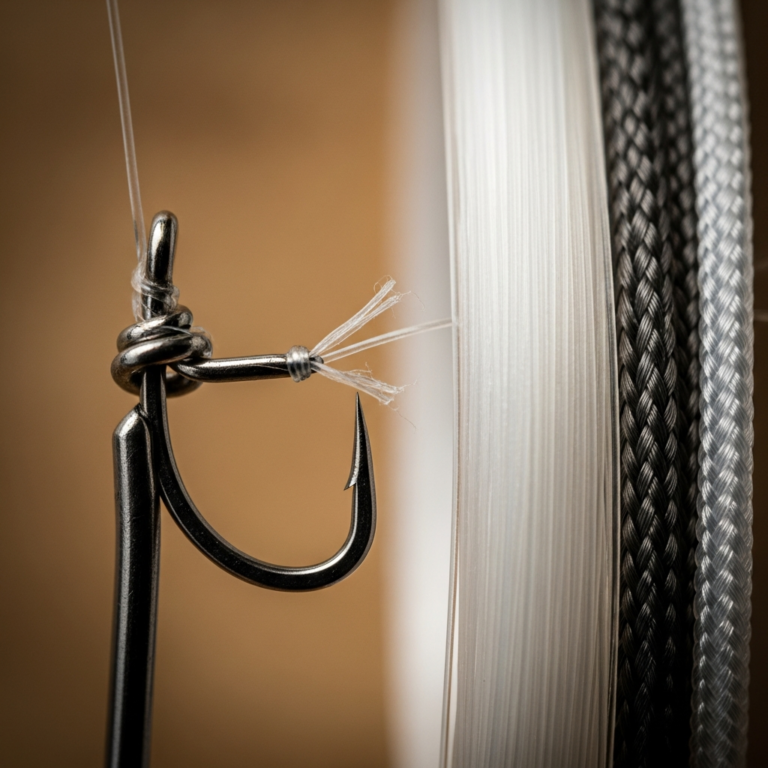
- Use fluorocarbon leaders to reduce visibility in low light.
- Try quiet approaches: fish from a blind spot or use a trolling motor on low.
Presentation tips:
- Fish near structure, channel edges, and pier pilings where bait congregates.
- Cast parallel to shore or structure to cover more water.
- Use scent and attractors sparingly to avoid spooking fish in calm water.

Tides, moon phases, weather, and timing
Timing is everything for night success. The question do fish bite at night in saltwater often depends on tide and moon factors more than just darkness.
What to watch:
- Tides: Incoming tide often brings bait closer and increases feeding activity.
- Moon phase: New moon nights can produce quiet but productive feeding; full moons change feeding windows.
- Weather: Cloud cover reduces light and can extend feeding periods. Light wind can bring bait in but heavy wind can scatter it.
- Time after sunset: The first two hours after sunset and the last hour before sunrise often show peak activity.
Safety, rules, and ethics for night saltwater fishing
Night fishing is fun but involves real risks. Respect rules, use safety gear, and protect habitat while asking do fish bite at night in saltwater.
Safety and ethics checklist:
- Wear a life jacket and carry a reliable light source.
- File a float plan or tell someone your route and return time.
- Follow local size and bag limits and check night fishing regulations.
- Keep noise low and avoid shining bright lights into sensitive habitats.
- Handle fish gently and use circle hooks for easier release.

Personal experience and lessons learned
I learned by trial and error that patience beats haste at night. Early on I chased big lights and loud baits and spooked fish. I now prefer subtle attractors and quiet drifting.
Real-world tips from my nights on the water:
- A small, steady LED rig outperforms big, flashy lights in many spots.
- Live shrimp on a small circle hook out-fished artificial lures by a wide margin for flounder.
- I always mark structure on GPS during the day. Returning to those marks at night increased hookups significantly.
- Mistake to avoid: overfilling the boat with gear. Minimal, well-chosen tackle reduces errors and tangles.

Frequently Asked Questions of do fish bite at night in saltwater
Do all saltwater fish bite at night?
No. Not all species feed at night. Some rely on sight and hunt by day, while many opportunistic predators shift to night feeding.
Is night fishing better than day fishing?
It depends on species, location, and conditions. Night fishing can be better for certain species and tides, but day trips may yield more bites for sight hunters.
What bait works best for night saltwater fishing?
Live bait like shrimp, pilchards, and small crabs often work best. Strong-scented baits help fish locate your offering in low light.
Are lights necessary for night fishing?
Lights are helpful but not always required. Subtle lights attract bait, but too much light can scare fish. Experiment with intensity and placement.
How do tides affect night fishing success?
Tides concentrate bait and create feeding windows. Incoming tides often trigger the most night bites by bringing prey into shallow areas.
Conclusion
Night fishing in saltwater is productive when you match species, timing, and technique. Learn local patterns, focus on tides and light, and use quiet, scent-rich presentations. Try one night trip with a simple setup, apply these tips, and track what works. Share your story or ask a question below, and consider subscribing for more field-tested fishing advice.