A fishing hook breaking during use causes and prevention issue can turn a great day on the water into a lost fish story. Many anglers focus on line strength and knots but forget that the hook is the final connection between the fish and the angler.
After years of fishing different waters, I have learned that most hook failures happen before the fight begins. Small cracks, rust spots, bent points, and worn metal can weaken a hook long before it snaps under pressure.
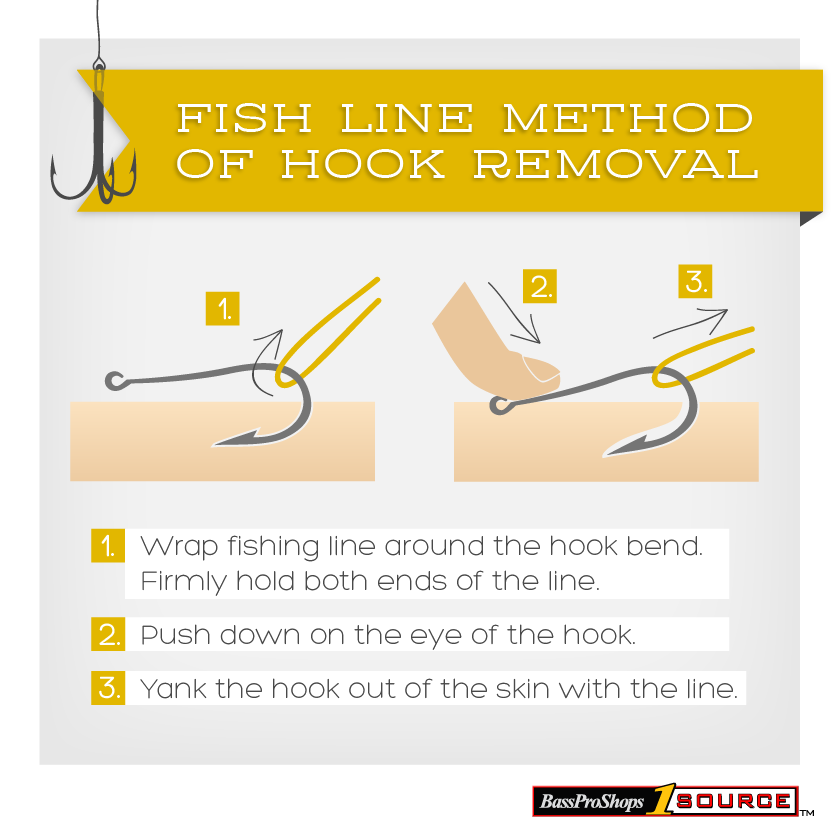
Common reasons a fishing hook breaks during use
Understanding fishing hook breaking during use causes and prevention starts with knowing why hooks fail. A hook must handle sudden pulls, strong fish runs, and repeated stress without losing its shape or strength.
Most broken hooks fail because of hidden damage or using a hook that does not match the fishing situation. A small freshwater hook may not survive the power of a large saltwater fish.
- ✦ Metal fatigue
Repeated bending and stress can weaken hook steel over time. The hook may look normal but can break during a hard pull.
- ✦ Corrosion damage
Saltwater, moisture, and poor storage can create weak areas that cause sudden hook failure.
- ✦ Excessive pressure
High drag settings or forcing a fish away from cover can put more force on the hook than it can handle.
How hook design affects strength
Hook wire thickness, shape, and heat treatment all affect strength. A thin hook may penetrate easily but may not handle extreme pressure.
- ✦ Heavy wire hooks
These hooks offer more strength for larger fish but may require more force to set.
Poor hook quality and manufacturing problems
Not every hook has the same level of strength. Cheap hooks may use lower grade materials or weaker manufacturing methods that increase the chance of breaking.
The fishing hook breaking during use causes and prevention process often begins when buying tackle. A trusted hook brand with proper coatings and quality control can provide better reliability.
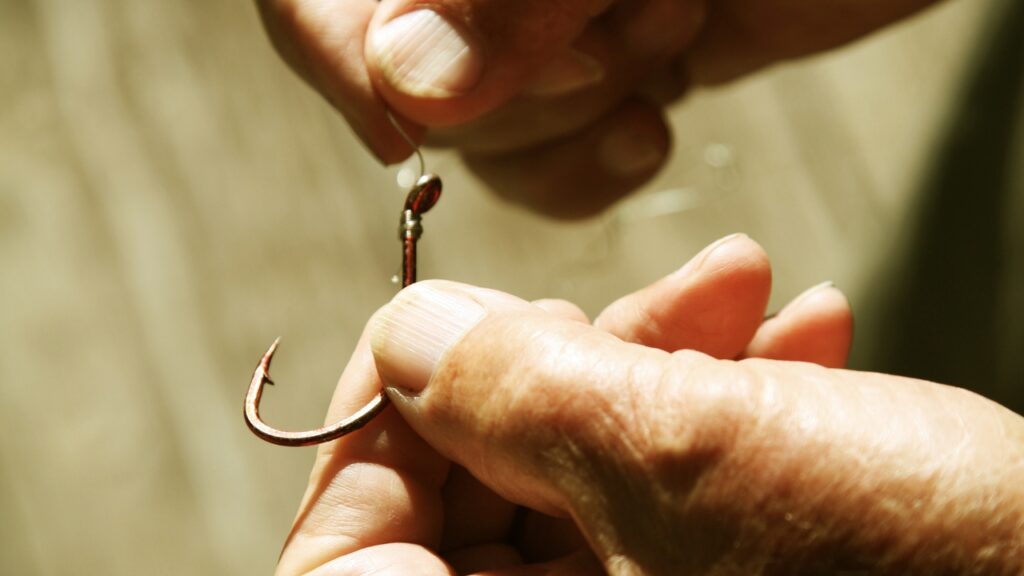
- ✦ Weak hook wire
Low quality wire may snap when a fish creates strong pulling force.
- ✦ Incorrect tempering
Poor heat treatment can make steel too brittle or too soft.
How corrosion and rust weaken fishing hooks
Rust is one of the most common causes of fishing hook failure. Even a small rust mark can weaken the metal and create a point where cracks start.
Fishing hook breaking during use causes and prevention requires proper care after every trip. This is especially important for anglers who fish saltwater areas in the United States.
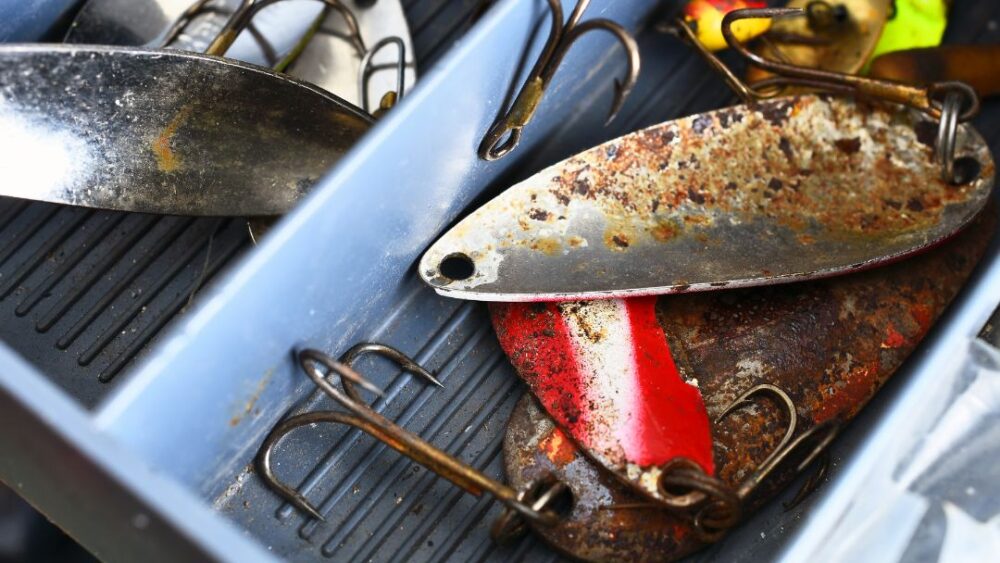
- ✦ Rinse after saltwater use
Fresh water removes salt that speeds up corrosion.
- ✦ Store hooks dry
Dry tackle boxes and clean storage reduce rust damage.
- ✦ Replace damaged hooks
A rusty or pitted hook is not worth risking on a valuable fish.
Signs a hook should be replaced
Look for rust spots, unusual bends, dull points, cracks, or metal discoloration. These signs often appear before complete failure.
- ✦ Visible cracks
Any crack means the hook may fail under pressure.
Using the wrong hook size or style
Choosing the correct hook is a major part of fishing hook breaking during use causes and prevention. A hook must match the fish species, bait size, and fishing method.
A hook that is too small may bend or break when fighting a powerful fish. A hook that is too large may reduce bait movement and lower hookup chances.
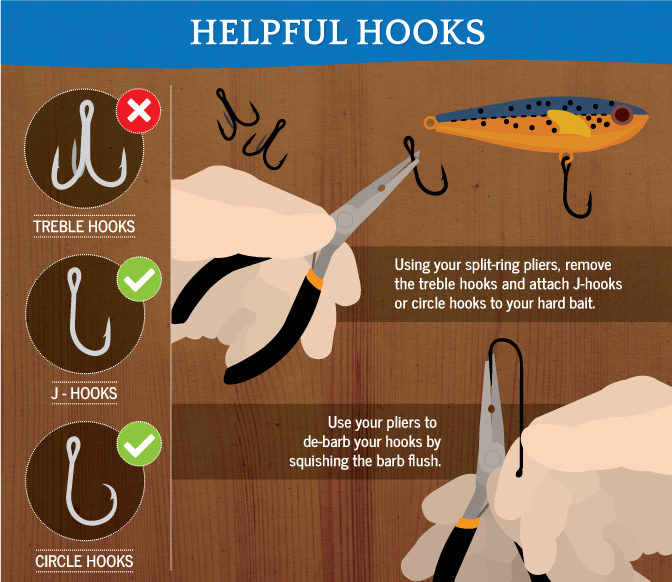
- ✦ Match hook size to target fish
Use lighter hooks for smaller species and stronger hooks for large fish.
- ✦ Match hook style to technique
Different styles work better for bait fishing, lures, and specific species.
How fighting techniques can cause hook failure
Many anglers blame the hook when the real problem is fighting technique. A locked drag, high rod angle, or sudden pulling motion can create extreme force.
Preventing fishing hook breaking during use causes and prevention problems requires smooth pressure. Let the rod, reel drag, and line work together.
- ✦ Avoid maximum drag pressure
A controlled drag reduces sudden stress on the hook.
- ✦ Keep steady rod pressure
Smooth movements protect hooks better than sharp lifts.
Common mistakes during a fish fight
Pulling a fish straight out of heavy cover or lifting a large fish with the rod can overload the hook.
- ✦ Use proper landing methods
A net or safe landing grip reduces final stress on tackle.
Best ways to prevent fishing hooks from breaking
The best fishing hook breaking during use causes and prevention strategy is regular inspection combined with smart gear choices. A few seconds of checking your hooks can save hours of lost fishing time.
Experienced anglers replace damaged hooks quickly because a hook is inexpensive compared with losing a trophy fish.
- ✦ Inspect before every trip
Check points, bends, rust, and damage before tying on a hook.
- ✦ Carry replacement hooks
Extra hooks help you stay prepared when damage happens.
- ✦ Use quality tackle
Better hooks provide more dependable performance.