Understanding what is crankbait diving depth helps anglers catch more fish because it tells them where their lure will move underwater. A crankbait designed to run 5 feet deep will stay in a different strike zone than one built to reach 15 feet. Matching lure depth with fish location is one of the most important parts of successful crankbait fishing.
In U.S. lakes and rivers, bass anglers often use crankbaits around points, grass lines, docks, and rocky areas. The right diving depth allows the lure to bump cover, create vibration, and trigger reaction strikes. After years of testing different crankbaits, many anglers learn that depth control matters just as much as lure color or size.
Understanding What Is Crankbait Diving Depth
Crankbait diving depth refers to the deepest point a lure can reach when pulled through the water. Manufacturers usually list this depth on lure packaging, but the real depth can change based on fishing conditions and equipment.
A crankbait does not sink straight down like a weight. Instead, it dives because the plastic or metal bill at the front pushes against the water. As the lure moves forward, the bill forces it downward until it reaches its designed running depth.
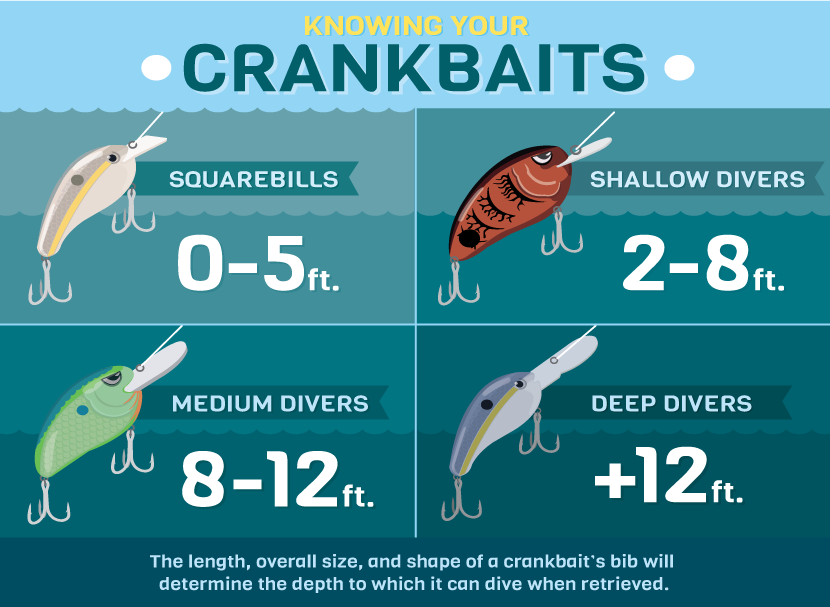
- ✦ Shallow diving crankbaits
These lures usually run from the surface down to about 5 feet and work well around shallow cover.
- ✦ Medium diving crankbaits
These crankbaits commonly reach around 5 to 12 feet and are useful for many lake fishing situations.
- ✦ Deep diving crankbaits
These lures can reach 12 feet or more and help anglers target deeper structure.
Why Diving Depth Matters for Fishing Success
Fish often hold at specific depths based on water temperature, food sources, and seasonal changes. A crankbait running above or below the fish may receive fewer bites.
Knowing what is crankbait diving depth allows anglers to place their lure where fish are already feeding instead of guessing.
How a Crankbait Reaches Different Depths
The diving action of a crankbait comes mainly from its bill design. A longer bill creates more resistance and pushes the lure deeper. A short bill creates a tighter action with a shallower dive.
The angle of the bill also changes how quickly the lure reaches its target depth. Some crankbaits dive fast, while others slowly move downward during the retrieve.

- ✦ Long diving bill
A longer bill helps the crankbait move deeper by creating more downward force.
- ✦ Lure body design
A rounded body creates a different movement and vibration compared with a slim body.
- ✦ Buoyancy
Floating, suspending, and sinking crankbaits behave differently when they stop moving.
The Role of the Bill Angle
The bill angle controls how aggressively a crankbait dives. A steep bill angle often creates a quicker dive, while a flatter angle may produce a wider hunting action.
Experienced anglers learn to watch how their lure reacts near cover because small design differences can change the fishing result.
Factors That Affect Crankbait Diving Depth
The printed diving depth on a crankbait is only an estimate. Several factors can make a lure run deeper or shallower than expected.
Learning these factors helps anglers adjust their setup and get closer to the desired strike zone.

- ✦ Fishing line type
Thin fluorocarbon or lighter line creates less resistance and can help a crankbait dive deeper.
- ✦ Casting distance
Longer casts give the lure more time to reach its maximum diving depth.
- ✦ Retrieve speed
A steady retrieve helps the lure reach its designed depth, while very slow speeds may reduce diving action.
- ✦ Rod angle
Keeping the rod tip lower can help many crankbaits maintain a deeper path.
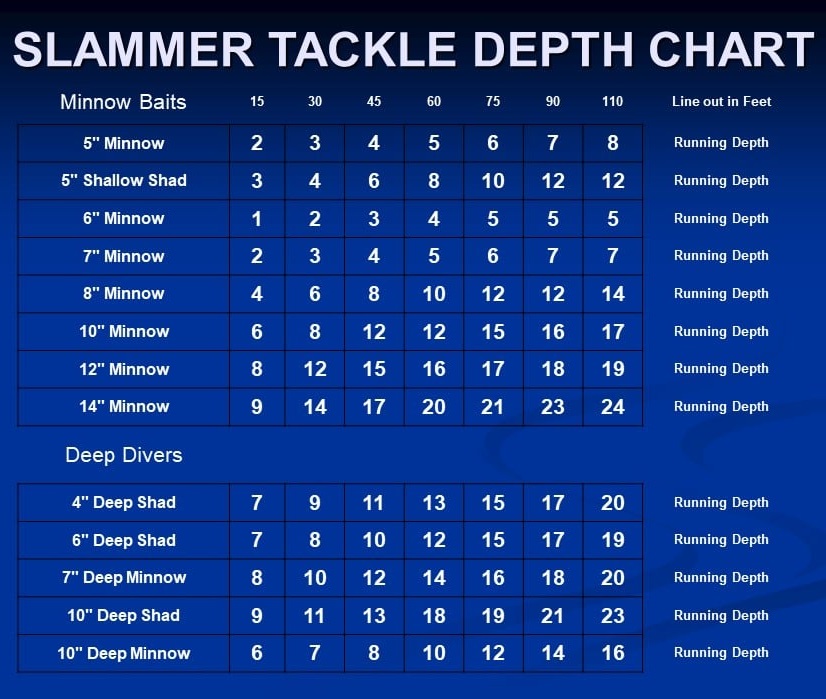
Common Crankbait Diving Depth Ranges
Crankbaits are available in many depth ranges to match different fishing environments. Bass anglers often carry several options because fish move throughout the water column.
A good crankbait selection includes shallow, medium, and deep models so you can adapt to changing conditions.
- ✦ 0 to 5 feet
Best for shallow flats, grass, wood cover, and early-season fishing.
- ✦ 5 to 12 feet
Useful for points, creek channels, and many common bass habitats.
- ✦ 12 feet and deeper
Designed for offshore structure, deep ledges, and summer bass patterns.
Choosing Depth Based on Water Conditions
Clear water often allows fish to move deeper, while muddy water may push fish closer to shallow cover. Seasonal patterns also affect where fish spend time.
The best depth choice comes from observing fish behavior and matching the crankbait to the area being fished.
How to Choose the Right Crankbait Diving Depth
Choosing the right crankbait depth starts with understanding the water you are fishing. Look at the depth of the structure, cover, and areas where baitfish are present.
Many experienced anglers use a lure that reaches slightly deeper than the target zone. This helps the crankbait touch rocks, brush, or bottom areas where bass often feed.

- ✦ Match the bottom depth
Select a crankbait that can reach the depth where fish are holding.
- ✦ Contact cover
Crankbaits often work best when they touch structure without constantly getting stuck.
- ✦ Carry multiple depths
Different conditions require different running depths throughout the day.
Frequently Asked Questions about what is crankbait diving depth

fishingscouty
Contributor