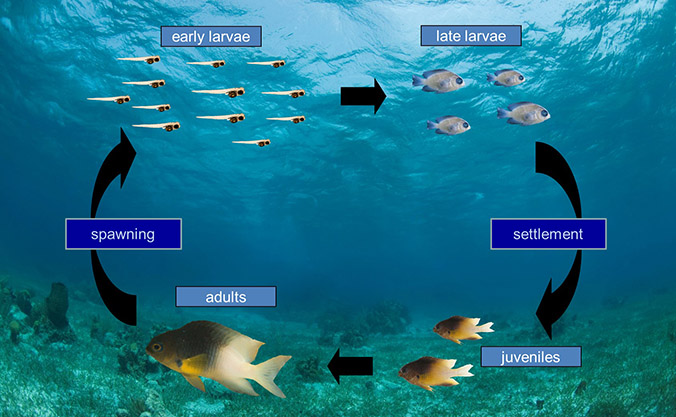
Understanding how fish behavior changes before spawning helps explain one of the most important cycles in aquatic life. Before reproduction begins, many fish species show clear changes in movement, feeding, body condition, and social behavior. These changes happen in lakes, rivers, coastal waters, and oceans across the United States.
From my experience studying fishing patterns and aquatic ecosystems, the period before spawning is when fish often become easier to observe because their normal routines shift. Anglers notice changes such as fish moving into shallow water, protecting areas, or reacting strongly to nearby activity.
Why fish behavior changes before spawning
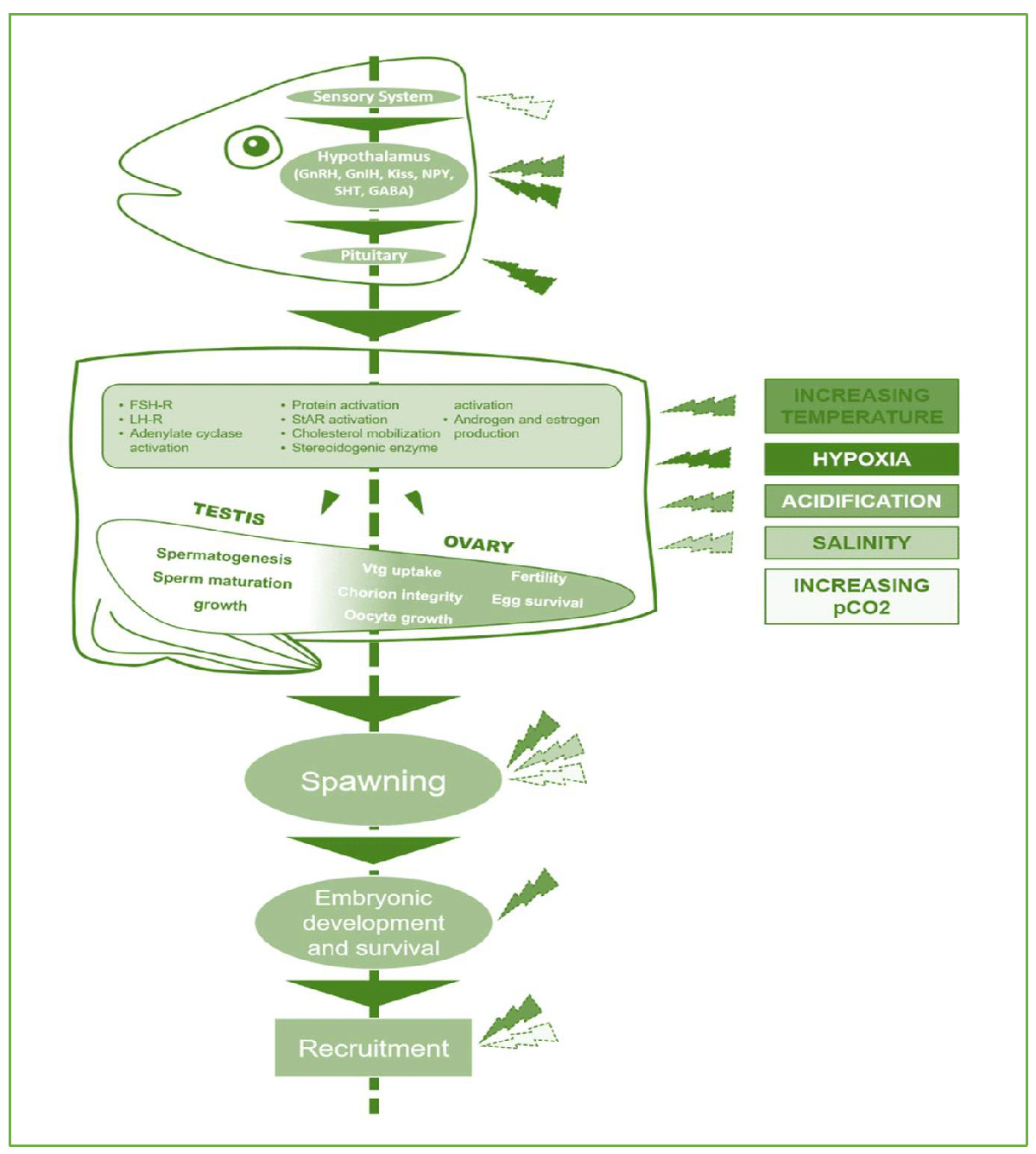
Fish prepare for reproduction by adjusting their behavior to improve the chance of successful spawning. Hormonal changes affect movement, feeding, mate selection, and responses to other fish.
How fish behavior changes before spawning depends on the species and environment. A bass in a freshwater lake may act differently from a salmon traveling through a river, but both respond to biological signals that prepare them for reproduction.
- ✦ Hormonal changes
Rising reproductive hormones influence fish activity, attraction to mates, and preparation for spawning sites.
- ✦ Environmental signals
Temperature, water flow, sunlight, and habitat quality tell fish when conditions are suitable for spawning.
The role of seasonal timing
Many fish species use seasonal patterns to decide when to reproduce. Longer days in spring and warmer water often trigger spawning behavior in many North American freshwater fish.
- ✦ Seasonal movement
Fish often move toward spawning locations when the correct season arrives.
Changes in fish feeding habits before spawning
One major part of how fish behavior changes before spawning is the shift in feeding patterns. Some fish increase feeding before reproduction because they need extra energy for migration and egg or sperm production.
Other species may eat less as spawning gets closer because their focus changes from feeding to finding mates and protecting territory. These changes can make fish behavior appear unpredictable.
- ✦ Increased feeding activity
Many fish build energy reserves before spawning by eating more often.
- ✦ Reduced feeding near spawning
Some fish become less interested in food when reproductive instincts become stronger.
Fish movement and migration before spawning
Movement is one of the clearest examples of how fish behavior changes before spawning. Many species leave normal feeding areas and travel toward locations that provide safer conditions for eggs and young fish.
Salmon are famous for long spawning migrations, but many other fish also move within rivers, lakes, and coastal areas before reproduction.
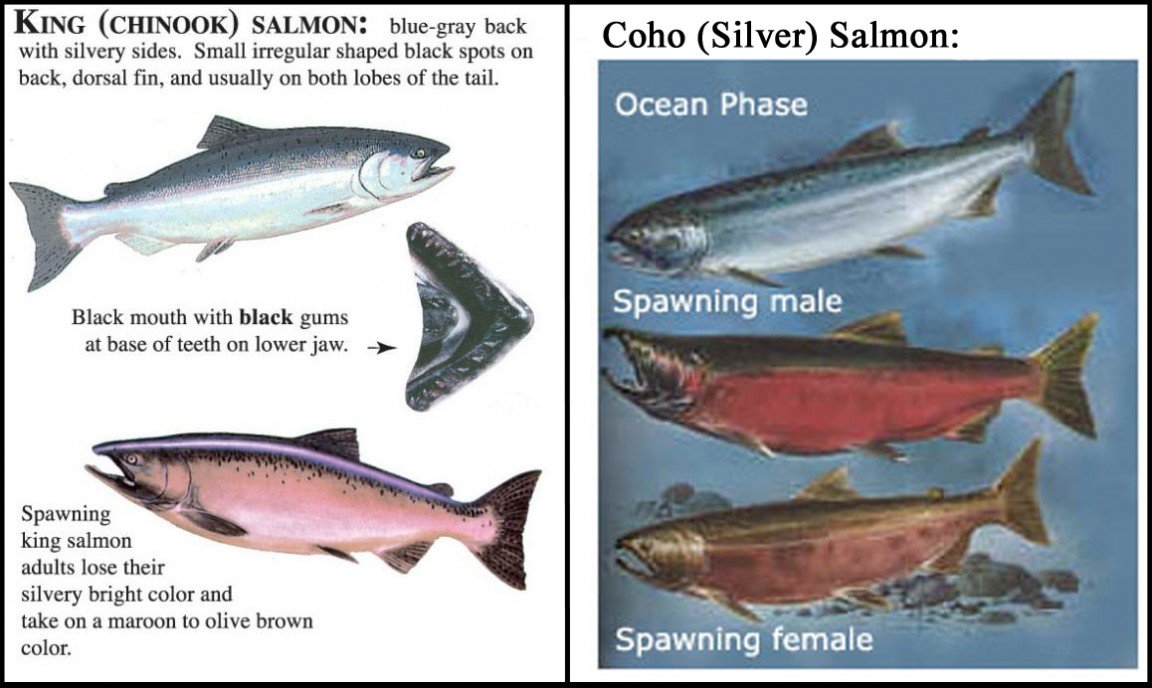
- ✦ Long-distance migration
Some fish travel hundreds of miles to reach traditional spawning grounds.
- ✦ Local habitat movement
Lake and river fish often move into shallow areas with better nesting conditions.
How habitat selection changes
Before spawning, fish search for places with proper depth, cover, oxygen levels, and water conditions. Choosing the right location protects eggs and improves survival.
- ✦ Spawning habitat choice
Fish select areas that match the needs of their species.
Changes in aggression and social behavior
Another important part of how fish behavior changes before spawning is increased interaction with other fish. Many species become more aggressive because they compete for mates and spawning locations.
Male fish may display brighter colors, chase rivals, or defend small areas. These actions help them attract mates and protect reproductive opportunities.
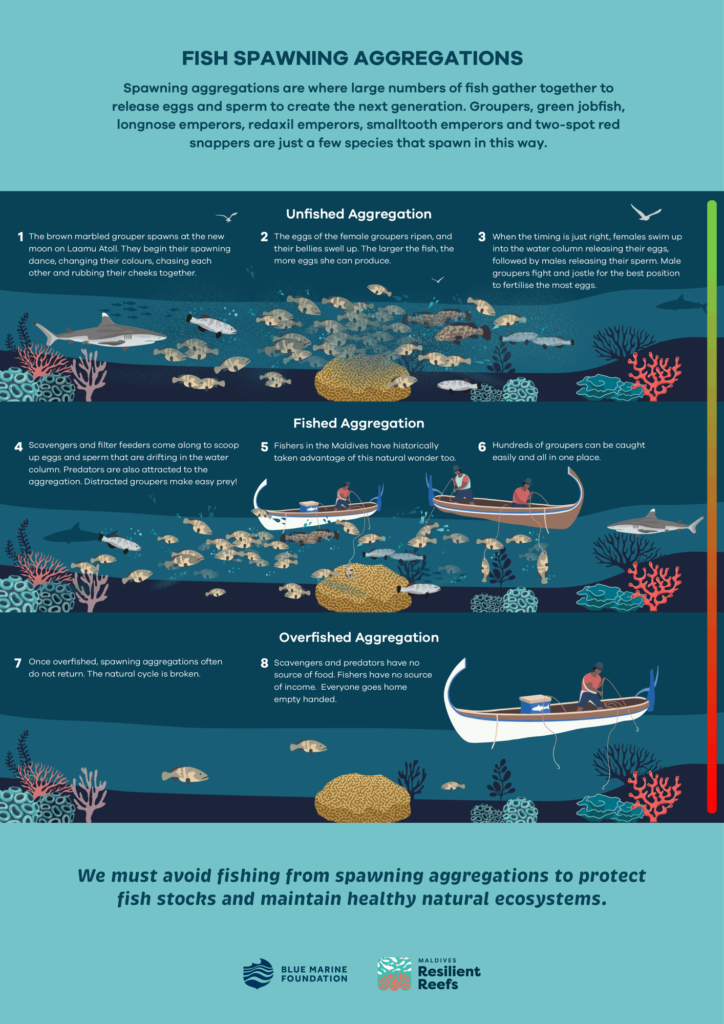
- ✦ Territory protection
Fish may guard nesting areas from competitors before and during spawning.
- ✦ Mate attraction
Visual displays, movements, and sounds can help fish attract partners.
How water conditions affect pre-spawning behavior
Water conditions strongly influence how fish behavior changes before spawning. Temperature is often one of the most important triggers because fish reproduction depends on suitable environmental conditions.
Changes in oxygen levels, water flow, and clarity can also affect where fish move and whether they begin spawning activities.
- ✦ Water temperature
Many fish wait until temperatures reach a specific range before spawning.
- ✦ Water quality
Clean, oxygen-rich water supports healthier spawning environments.
Signs anglers can observe before fish spawn
For recreational anglers in the United States, recognizing how fish behavior changes before spawning can improve fishing awareness. Fish may appear in new locations, become more visible, or show unusual activity.
These signs do not guarantee spawning because weather and local conditions can change timing. However, they provide useful clues about fish cycles.

- ✦ Fish moving into shallow water
Many species enter warmer, protected areas before spawning.
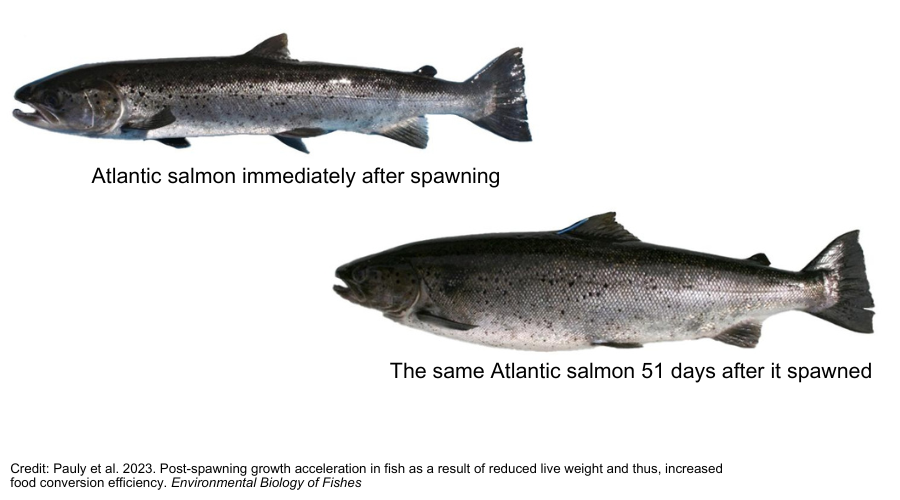
- ✦ Changes in appearance
Some fish develop stronger colors or physical changes during breeding preparation.
Frequently Asked Questions about how fish behavior changes before spawning

fishingscouty
Contributor