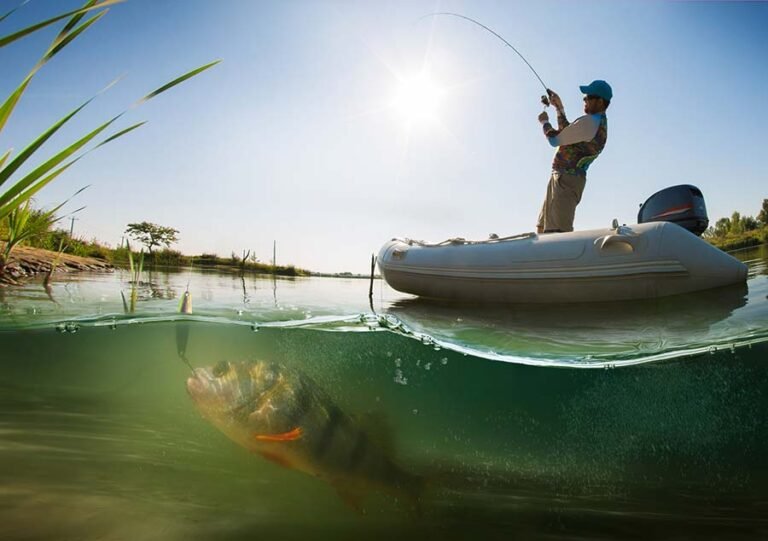
Understanding how aquatic plants provide cover for fish helps anglers, pond owners, and aquarium keepers create healthier water environments. Plants act like underwater forests. They give fish places to hide, rest, hunt, and reproduce.
From my experience studying fish habitats, natural vegetation often makes the biggest difference in fish activity. A pond with healthy plant growth usually supports more balanced fish behavior because plants provide protection and food sources at the same time.

Why aquatic plants are important fish cover
Aquatic plants provide physical structures that fish use as natural shelter. Stems, leaves, roots, and floating mats create spaces where fish can hide from larger predators and sudden changes in their surroundings.
When learning how aquatic plants provide cover for fish, it is important to understand that cover is more than a hiding place. Plants also create safe travel routes, resting areas, and locations where fish can find food.

- ✦ Protection from predators
Dense plants make it harder for birds and larger fish to spot smaller fish.
- ✦ Reduced stress
Hidden areas help fish feel safer and behave more naturally.
- ✦ Better survival rates
Young fish gain important protection during early growth stages.
Plants create underwater hiding zones
Fish often move into thick vegetation when they feel threatened. Plants such as pondweed, hornwort, and submerged grasses create small spaces where fish can escape danger.
These areas are especially valuable for small fish and fry because open water leaves them exposed to predators.
How aquatic plants protect young fish
Young fish need cover more than adult fish because they are smaller and easier targets for predators. Aquatic plants provide a safe nursery where baby fish can grow before moving into open water.
When examining how aquatic plants provide cover for fish, breeding protection is one of the most important benefits. Many species attach eggs to plants or use plant-filled areas for spawning.

- ✦ Spawning support
Plants give fish places to attach eggs and protect developing offspring.
- ✦ Fry shelter
Dense vegetation helps small fish avoid predators.
Vegetation as a fish nursery
Natural lakes and ponds often contain shallow plant zones where young fish spend their first weeks. These areas provide both protection and access to tiny food organisms.
A healthy plant community can increase the chances that young fish survive and join the adult population.
Different types of aquatic plants that provide fish cover
Not all aquatic plants provide the same type of cover. Some plants protect fish near the surface, while others create deep underwater structures.
Knowing how aquatic plants provide cover for fish means understanding how each plant type changes the underwater environment.

- ✦ Floating plants
Plants like duckweed and water lettuce create shade and surface protection.
- ✦ Submerged plants
Plants growing underwater create complex spaces for hiding and hunting.
- ✦ Emergent plants
Plants like cattails provide edge cover near shallow water.
Floating vegetation
Floating plants reduce sunlight penetration and create cooler areas below the surface. Fish often use these shaded zones during hot weather.
They also support insects and small organisms that become food for many fish species.
How plants help fish find food and hunt
Aquatic plants do not only hide fish. They also create feeding opportunities. Small insects, larvae, and tiny aquatic animals often live around plant structures.
Fish use vegetation as hunting areas because plants attract prey and provide places to ambush food. This explains another important part of how aquatic plants provide cover for fish.

- ✦ Food production zones
Plants support small organisms that become part of the aquatic food chain.
- ✦ Hunting cover
Predatory fish use plants to approach prey without being noticed.
How aquatic plants improve pond and aquarium environments
Aquatic plants improve water conditions by absorbing nutrients and producing oxygen during photosynthesis. Better water quality creates a healthier environment where fish can thrive.
For pond owners in the United States, adding the right plants can help create a more natural ecosystem. The goal is not to cover every surface but to build balanced plant growth.

- ✦ Improved water balance
Plants absorb excess nutrients that can contribute to poor water quality.
- ✦ Natural appearance
Vegetation creates a more realistic habitat for fish.
Maintaining healthy plant cover
Too many plants can reduce open swimming space and limit oxygen movement at night. Good management keeps plant growth balanced.
The best fish habitats include a mix of open water, plant cover, and shallow areas.
Common mistakes when using aquatic plants for fish cover
While aquatic plants provide many benefits, poor plant choices or overgrowth can create problems. Fish need balance, not unlimited vegetation.
Understanding how aquatic plants provide cover for fish also means knowing how to avoid habitat problems.
- ✦ Adding too many plants
Excessive growth can reduce oxygen levels and limit fish movement.
- ✦ Choosing unsuitable species
Some plants may spread quickly and become difficult to control.
- ✦ Ignoring maintenance
Regular trimming helps keep plant habitats healthy.
Frequently Asked Questions about how aquatic plants provide cover for fish

fishingscouty
Contributor