Learning how to identify forage in a lake is one of the most useful skills for freshwater anglers. Predator fish such as bass, crappie, and walleye often stay close to areas where food is easy to find.
Over years of fishing, many anglers learn that the lake itself provides clues. Small baitfish schools, birds diving, surface movement, and healthy vegetation can all point toward active forage zones.
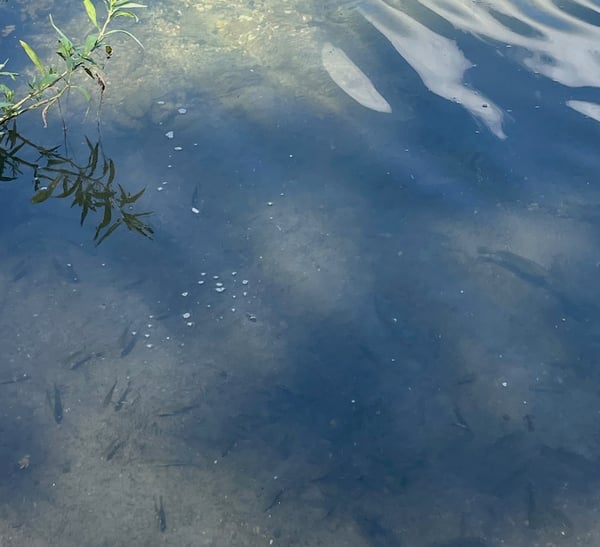
What forage means in a lake ecosystem
Forage is the food source that supports larger fish in a lake. It includes small fish, insects, worms, crustaceans, and other aquatic animals.
When you understand how to identify forage in a lake, you can predict where predator fish may spend time. Healthy forage populations usually create better feeding opportunities.
- ✦ Baitfish
Shad, minnows, and young fish are common forage species in many American lakes.
- ✦ Aquatic insects
Insects and larvae provide food for small fish and influence feeding patterns.
Look for visible signs of forage activity
The easiest way to start learning how to identify forage in a lake is to observe the water. Many forage species create small ripples, flashes, or movement near the surface.
Early morning and evening are often good times to watch because baitfish commonly become more active during low-light periods.

- ✦ Surface disturbances
Small splashes and nervous water can show that baitfish are moving.
- ✦ Bird activity
Birds feeding on the surface may indicate schools of small fish below.
Use lake habitat to locate forage
Forage fish need food and protection. This means they often gather around weeds, brush piles, docks, rocks, and shallow cover.
A key part of how to identify forage in a lake is understanding that baitfish usually follow structure and available food sources.

- ✦ Vegetation areas
Healthy plants provide shelter and attract insects that feed smaller fish.
- ✦ Rock and wood cover
These areas often hold insects and hiding places for forage species.
Identify forage using fishing tools and technology
Modern tools make it easier to understand how to identify forage in a lake. Fish finders, underwater cameras, and sampling methods can reveal hidden baitfish schools.
Many experienced anglers combine technology with visual observation to create a clearer picture of the lake ecosystem.

- ✦ Fish finder readings
Sonar can show bait balls and areas with high fish activity.
- ✦ Sampling methods
Professional fisheries surveys can measure forage populations.
Frequently Asked Questions about how to identify forage in a lake

fishingscouty
Contributor