Understanding how fish protect spawning areas helps anglers, pond owners, and conservation workers see why breeding habitats matter. Fish do not simply release eggs and leave. Many species take active steps to improve survival chances for their young.
From largemouth bass in U.S. lakes to salmon in northern rivers, fish use different methods to defend spawning grounds. Their actions show a strong connection between animal behavior and habitat protection.
Why spawning areas are important for fish survival
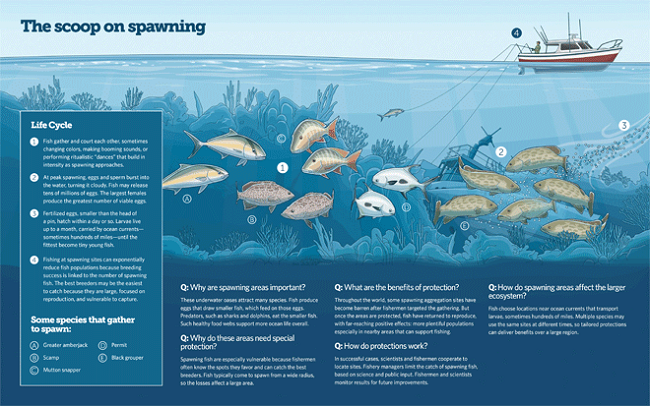
Spawning areas are special places where fish lay eggs and reproduce. These areas often have the right water depth, temperature, oxygen level, and shelter. Protecting these locations gives eggs and young fish a better chance to survive.
When learning how fish protect spawning areas, it is important to understand that habitat choice is the first defense. A fish that selects a safe location reduces many risks before spawning even begins.

- ✦ Safe water conditions
Fish often choose areas with clean water, proper flow, and enough oxygen for developing eggs.
- ✦ Natural shelter
Plants, rocks, gravel, and underwater structures can protect eggs from predators and strong currents.
How fish select protected spawning locations
Many fish species return to places that worked well in previous breeding seasons. Salmon, for example, may travel long distances to reach suitable river areas where they can reproduce.
Nest building is one way fish protect spawning areas
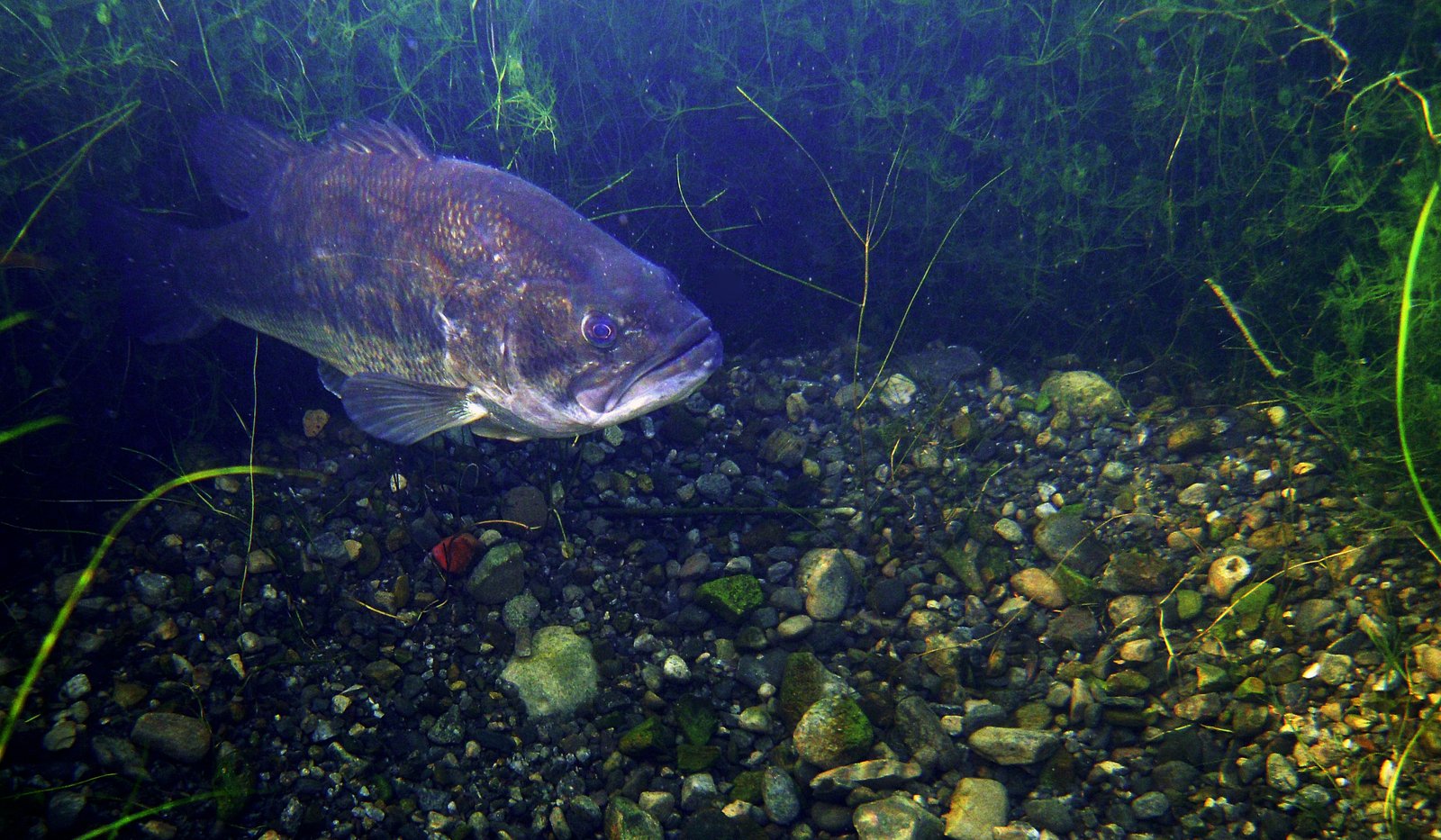
Many freshwater fish create nests before spawning. Species such as bass, sunfish, and some cichlids clear small areas of sand, gravel, or plants to create a safer place for eggs.
Nest building is a major part of how fish protect spawning areas because it removes harmful debris and creates a controlled environment. The nest also helps parents monitor the eggs.
- ✦ Cleaning the nest
Fish may move stones or remove dirt to create a cleaner surface for eggs.
- ✦ Creating boundaries
A clear nest area helps fish recognize and defend their breeding space.
Examples from freshwater fish
In many U.S. lakes, male bass protect shallow spawning beds. They stay near the nest and react quickly when predators approach.
Fish defend spawning areas from predators
A key part of how fish protect spawning areas is active defense. Parent fish may chase away other fish, insects, or animals that threaten eggs.
Defense behavior can include swimming patterns, warning movements, and direct attacks. Even small fish may become highly aggressive when protecting their young.
- ✦ Territorial behavior
Fish often claim a small area around their nest and prevent other animals from entering.
- ✦ Constant monitoring
Some parent fish stay near eggs for days or weeks until the young can swim.
Why guarding behavior matters
Eggs cannot escape danger, so parental protection improves survival. This behavior is common among species where young fish need extra care during early development.
Camouflage and natural hiding places help protect eggs
Not all fish protect spawning areas through fighting. Many species use smart placement and natural cover to keep eggs hidden. Plants, gravel, coral, and underwater structures can make eggs harder for predators to find.
Camouflage is another example of how fish protect spawning areas without using energy for constant defense. A hidden nest often gives eggs a better chance of reaching the next life stage.

- ✦ Using vegetation
Aquatic plants provide cover and reduce visibility for predators.
- ✦ Matching the environment
Some eggs blend with rocks, sand, or plant surfaces to avoid detection.
Group protection and migration strategies
Some fish protect spawning areas through group behavior. Large groups can reduce individual risk because many adults watch for danger at the same time.
Migration is also part of how fish protect spawning areas. Species like salmon travel to specific breeding grounds because those locations offer better conditions for eggs and young fish.
- ✦ Safety in numbers
Groups can confuse predators and improve awareness around spawning sites.
- ✦ Returning to proven habitats
Many fish return to successful spawning locations year after year.
Human impact on spawning protection
Fishing pressure, pollution, and habitat changes can make natural spawning protection harder. Protecting rivers, lakes, and coastal areas helps fish continue these important behaviors.
How anglers can help protect fish spawning areas
Anglers play an important role in protecting breeding habitats. Simple choices, such as avoiding active spawning beds and following local fishing rules, can support healthy fish populations.
People who fish in U.S. lakes and rivers can help by learning seasonal patterns and respecting protected areas. Responsible fishing supports both recreation and long-term ecosystem health.
- ✦ Avoid disturbing nests
Moving through shallow spawning areas can damage eggs or stress guarding fish.
- ✦ Follow regulations
Local rules often protect fish during important breeding periods.
Frequently Asked Questions about how fish protect spawning areas

fishingscouty
Contributor