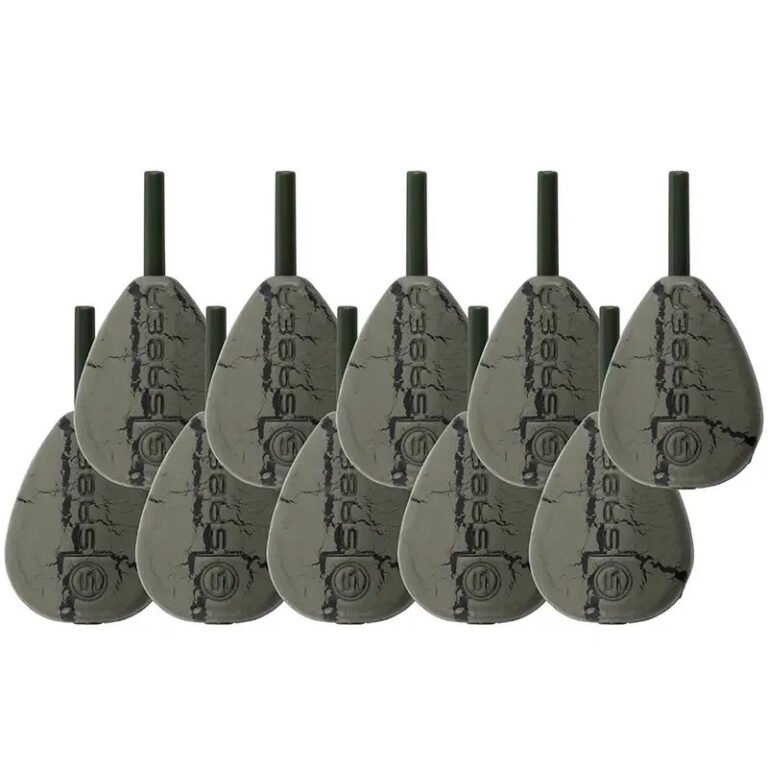
Understanding how bait size affects fish strikes is one of the most useful skills an angler can develop. A bait that looks natural can trigger aggressive feeding, while the wrong size can make fish ignore your presentation. Many anglers in the United States learn this after trying different lure sizes on lakes, rivers, and coastal waters.
After years of testing different bait profiles, one lesson stands out: fish do not always want the biggest meal. Sometimes a small, easy target creates more bites because it matches what fish are already eating. Knowing how bait size affects fish strikes helps anglers make smarter choices instead of changing locations without a plan.

Why bait size matters when trying to trigger fish strikes
Bait size influences a fish’s first reaction. Predatory fish judge potential meals by movement, shape, and energy cost. A bait that matches their normal prey is often easier for them to trust.
The relationship between bait size and strikes is not simply about bigger or smaller being better. The correct size creates a balance between visibility and realism. This is why understanding how bait size affects fish strikes improves success in many fishing situations.
- ✦ Natural appearance
A correctly sized bait looks more like the food fish expect to find in their environment.
- ✦ Feeding confidence
Fish are more likely to strike when they believe the bait is safe and easy to eat.
How fish evaluate bait size
Fish consider whether a meal provides enough energy compared with the effort needed to catch it. Large predators may attack large prey, but smaller fish often prefer smaller options.
A bait that is too large can look unnatural, while a bait that is too small may not get noticed. The goal is to match the feeding pattern of the target species.
- ✦ Energy value
Large prey can offer more food but may require more effort to capture.
Small bait versus large bait: Which creates more strikes?
Small and large baits both have a place in fishing. Smaller baits often produce more bites because they imitate common prey like insects, minnows, and small crustaceans.
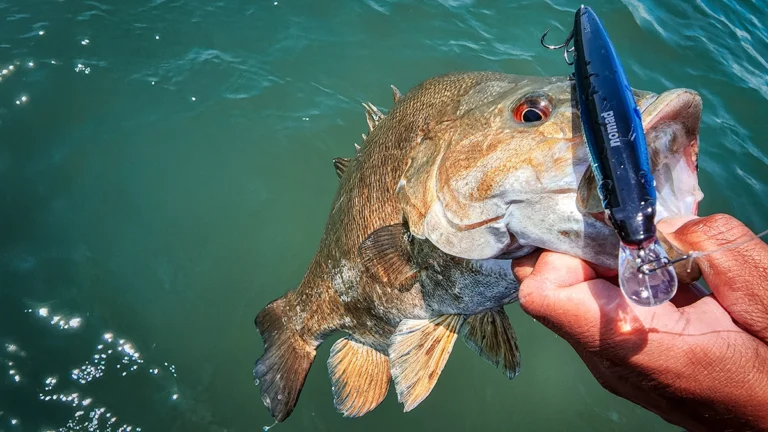
Large baits can create fewer but more powerful strikes. Species such as trophy bass, pike, and muskies may respond strongly to a larger meal because it represents a high-value opportunity.

- ✦ When small bait works best
Use smaller presentations when fish are pressured, inactive, or feeding on tiny prey.
- ✦ When large bait works best
Use larger presentations when targeting aggressive predators or matching large seasonal forage.
How fish species influence the best bait size choice
Different fish species have different feeding habits, so bait size must match the target. Bass often react to a wide range of bait sizes, while trout may require a more precise match.
Understanding how bait size affects fish strikes for each species helps anglers avoid using the same approach everywhere. A successful bass lure size may not produce the same results for crappie or trout.

- ✦ Bass
Bass often respond well to medium and large baits, especially when actively feeding.
- ✦ Trout
Trout usually prefer smaller natural-looking presentations that imitate insects or small fish.
- ✦ Catfish
Catfish can handle larger bait sizes because they often use smell and vibration to locate food.
How season and water conditions change bait size selection
Seasonal changes strongly affect how bait size affects fish strikes. In spring, many fish feed heavily after winter and may attack larger prey. During colder months, smaller meals are often easier for fish to digest.
Water clarity also changes bait choice. Clear water usually requires a more natural size, while muddy water may require a larger bait that creates stronger movement and visibility.

- ✦ Cold water
Smaller baits with slower movement often work better because fish have lower activity levels.
- ✦ Warm water
Fish may chase larger bait when metabolism and feeding activity increase.
Common mistakes anglers make with bait size
Many anglers assume a bigger bait always attracts bigger fish. While this can happen, fish behavior is more complex. A large bait may scare cautious fish or fail to match local food sources.
Another common mistake is refusing to adjust after seeing no action. Changing bait size is often one of the fastest ways to test what fish want on a specific day.
- ✦ Using oversized bait
Large bait can reduce strikes when fish are focused on smaller prey.
- ✦ Ignoring local forage
Successful anglers match bait size with the actual food fish are eating.
Frequently Asked Questions about how bait size affects fish strikes

fishingscouty
Contributor