Learning how to catch suspended fish can change the way you approach lakes, reservoirs, and rivers. Many anglers search only the bottom or visible cover, but fish often move into open water when conditions change.
After years of studying fish behavior, one lesson stands out: suspended fish are not impossible to catch. They simply require better depth control, patience, and a clear understanding of why fish leave the bottom.
What Are Suspended Fish and Why Do They Suspend?
Suspended fish are fish that hold in open water instead of sitting on the bottom or staying tight to cover. They may stay near baitfish schools, underwater points, drop-offs, or temperature changes.
Understanding how to catch suspended fish starts with knowing why they suspend. Fish often move into the middle of the water column to feed, save energy, follow prey, or find comfortable water conditions.
- ✦ Following baitfish
Predatory fish often suspend below schools of shad, minnows, or other forage because it gives them an easy feeding opportunity.
- ✦ Changing water conditions
Temperature, oxygen levels, and seasonal changes can push fish away from their normal spots.
- ✦ Avoiding pressure
Heavy fishing pressure can make fish leave shallow cover and hold in open water.
Common Species That Suspend
Bass, crappie, trout, walleye, and many other freshwater species can suspend. The technique changes by species, but the main idea stays the same: place the bait where the fish are holding.
How to Find Suspended Fish Before You Cast
Finding fish is the first step in learning how to catch suspended fish. Modern fish finders make this easier by showing fish marks, bait clouds, and depth changes.
Electronics are helpful, but they are not the only tool. Watch for birds, surface activity, bait movement, and changes in water color.

- ✦ Use sonar technology
Look for fish marks away from the bottom. Pay attention to bait balls because predators are often nearby.
- ✦ Check structure nearby
Suspended fish often relate to points, creek channels, trees, and underwater edges even when they are not touching them.
- ✦ Watch seasonal patterns
Fish commonly suspend during seasonal transitions when they move between shallow and deep areas.
Reading the Water Column
The water column is the entire area from the surface to the bottom. Successful anglers identify the exact depth where fish are holding and keep their lure there.
Best Lures for Catching Suspended Fish
Choosing the right lure is a major part of how to catch suspended fish. The best options usually stay at a steady depth and allow a slow presentation.
A lure that moves too fast often passes above or below suspended fish. The goal is to make your bait look like an easy meal.

- ✦ Suspending jerkbaits
Jerkbaits can pause in place and imitate injured baitfish. Long pauses often trigger bites from inactive fish.
- ✦ Soft plastics
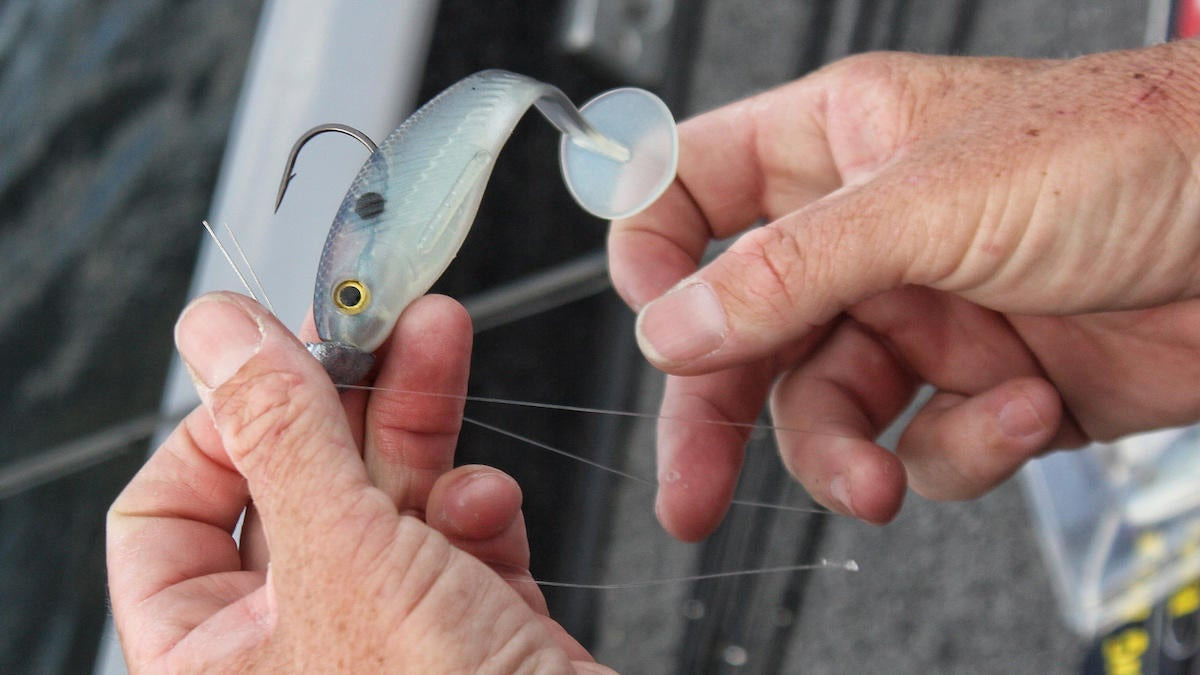
Small swimbaits, grubs, and finesse plastics work well when fish need a subtle presentation.
- ✦ Jigs and spoons
Vertical presentations can reach deep suspended fish and stay in their feeding zone.
Why Suspending Lures Work
Suspending lures stop in the water instead of rising or falling quickly. This pause gives fish more time to inspect and attack the bait.
Fishing Techniques That Catch Suspended Fish
The best technique depends on fish mood, depth, and water clarity. When learning how to catch suspended fish, focus on control rather than speed.
Many successful anglers make fewer casts but spend more time keeping the lure in the correct zone.

- ✦ Slow rolling
Retrieve a swimbait slowly through the depth where fish are holding.
- ✦ Dead sticking
Let a bait sit almost motionless when fish are inactive.
- ✦ Vertical jigging
Drop the lure directly to marked fish and work it with small movements.
The Importance of Depth Control
A lure five feet away from a suspended fish may never get noticed. Countdowns, line choice, and lure design help you maintain the right depth.
How Weather and Seasons Affect Suspended Fish
Weather changes can strongly affect suspended fish behavior. Cloudy days, wind, and temperature shifts often move fish into different parts of the water column.
Knowing these patterns improves your ability to catch suspended fish throughout the year in U.S. lakes and rivers.

- ✦ Spring
Fish may suspend during movements between deep winter areas and shallow spawning zones.
- ✦ Summer
Fish often suspend near cooler water, bait schools, and offshore structure.
- ✦ Fall
Predators frequently suspend while following large baitfish groups.
Common Mistakes When Fishing for Suspended Fish
Many anglers struggle because they fish too fast or ignore depth. Suspended fish require a different mindset because they are not always connected to visible cover.
Avoiding common mistakes can make how to catch suspended fish much easier.

- ✦ Ignoring electronics
Failing to locate fish depth can lead to wasted casts.
- ✦ Using the wrong speed
Fast retrieves often miss inactive suspended fish.
- ✦ Fishing only the bottom
Many fish spend hours away from the bottom depending on conditions.
Frequently Asked Questions about how to catch suspended fish

fishingscouty
Contributor