Understanding how bait scent affects fish behavior helps anglers make smarter choices on the water. Fish do not only rely on sight. Many species use smell to locate prey, follow food trails, and decide if something is safe to eat.
From bass fishing in U.S. lakes to saltwater fishing along coastal areas, scent can play a useful role when fish are pressured or visibility is poor. Experienced anglers often use scent as one part of a complete bait presentation strategy.

How fish use their sense of smell underwater
Fish have highly developed smell systems that help them detect chemicals in water. Unlike humans, fish can track tiny scent particles as they move through currents.
Research and fishing experience show that smell helps fish identify food sources, recognize familiar signals, and react to possible threats.
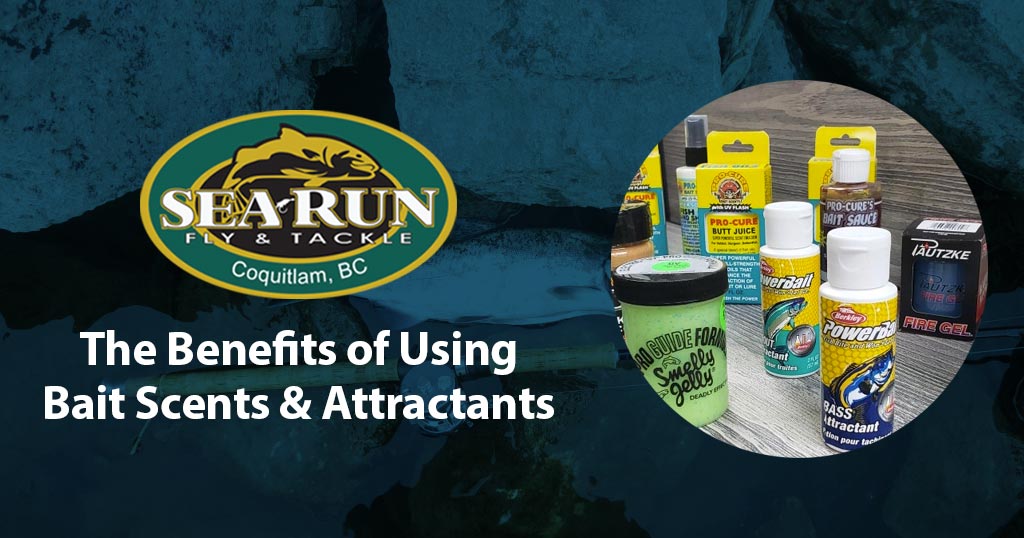
- ✦ Food detection
Fish can follow natural food odors from prey such as insects, baitfish, and crustaceans.
- ✦ Safety decisions
Unusual smells can make fish cautious and reduce the chance of a strike.
Why scent matters for feeding decisions
When a fish approaches bait, scent can influence whether it bites or ignores the offering. A realistic smell may encourage a longer inspection time and create more chances for a hookset.
How bait scent affects fish behavior during a strike
The way how bait scent affects fish behavior becomes clear during the final moments before a bite. A fish may visually notice bait first, but smell can confirm that the target is worth eating.
Scented baits may be helpful when fish have more time to inspect a lure. This is common in clear water, heavily fished lakes, and slow feeding periods.

- ✦ Longer bait contact
Some scents encourage fish to hold a bait longer, giving anglers more time to react.
- ✦ Improved confidence
A familiar food smell can make artificial lures seem more natural.
Types of bait scents and how fish respond to them
Different scents create different reactions because fish species have different diets. A predator that feeds on baitfish may respond differently from a species that prefers worms or insects.
Natural-based scents often imitate common food sources, while synthetic attractants are designed to create strong signals in the water.
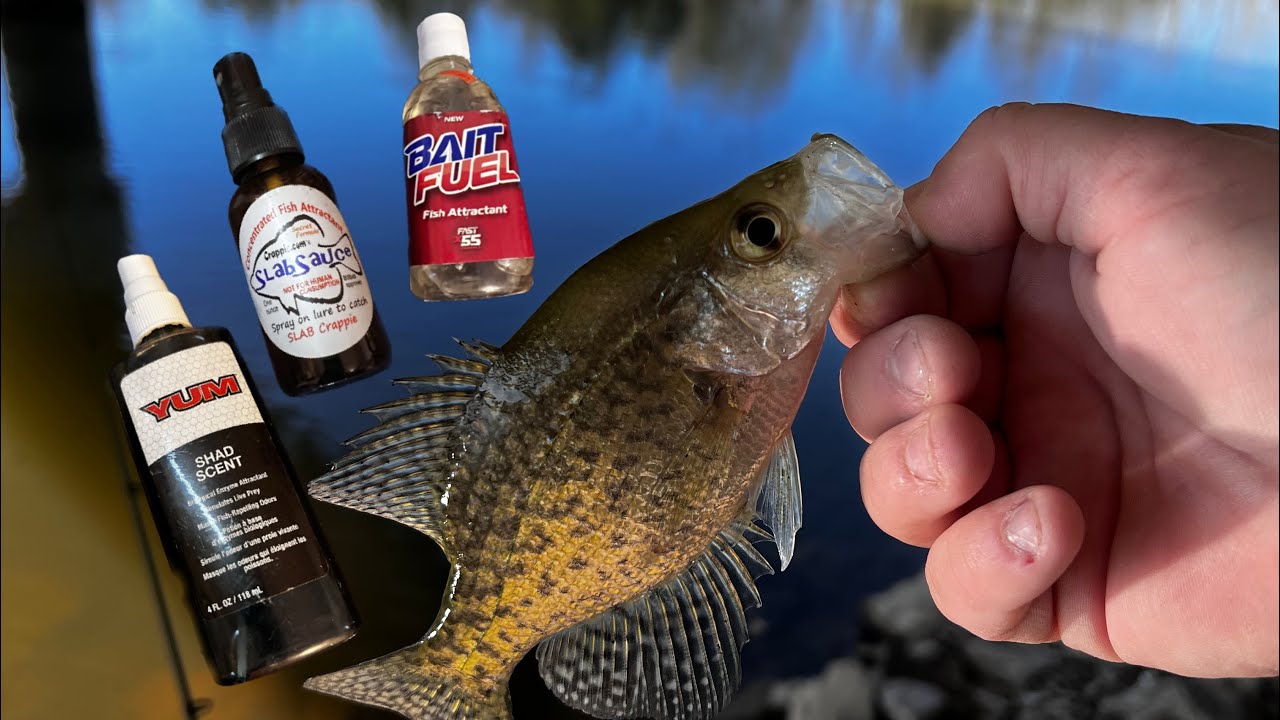
- ✦ Fish oil scents
Oily scents can spread through water and imitate natural prey signals.
- ✦ Garlic and strong flavors
Some anglers use strong scents to add attraction to soft plastics and lures.
When bait scent works best for anglers
Knowing how bait scent affects fish behavior helps anglers decide when to add scent and when to focus on other factors. Scent is not a replacement for correct bait choice, location, and technique.
Scent can be especially useful when fish are cautious, water is stained, or fish have limited visibility.
- ✦ Cold water fishing
Slow-moving fish may rely more on smell when chasing prey is difficult.
- ✦ Murky water
Scent can help fish locate bait when they cannot see clearly.
Common mistakes when using fishing scents
Many anglers believe adding more scent always creates better results, but too much product can create unnatural conditions. The goal is to create a believable food signal, not overwhelm the fish.
Good bait presentation still matters. Fish respond to movement, size, color, and location along with scent.
- ✦ Ignoring water conditions
A scent that works in one lake may perform differently in another environment.
- ✦ Using scent instead of technique
Scent supports good fishing methods but cannot replace proper presentation.
Frequently Asked Questions about how bait scent affects fish behavior

fishingscouty
Contributor