understanding how bait movement attracts fish helps anglers choose better presentations and improve their chances on the water. Fish do not only notice what a bait looks like. They also detect movement, vibration, and changes that tell them whether something is alive and worth chasing.
After years of studying lure patterns and watching fish respond underwater, experienced anglers learn that small movement changes can create big differences. A bait that moves like a healthy or struggling prey fish often triggers a stronger reaction than a bait that moves in an unnatural way.
Why Bait Movement Matters to Fish
Fish use their eyes, lateral line, and other senses to understand what happens around them. Movement creates clues about whether an object is food, danger, or something they should ignore.
The reason how bait movement attracts fish is simple. Predatory fish are designed to react to motion because moving prey is easier to detect than still objects. A small twitch, wobble, or sudden escape motion can activate a hunting response.
- ✦ Natural prey signals
Good bait movement copies the actions of insects, minnows, worms, and other creatures fish normally eat.
- ✦ Hunting triggers
Fast movement, sudden stops, and direction changes can make fish believe prey is trying to escape.
- ✦ Visual attraction
Moving bait creates flashes, shadows, and shapes that help fish locate potential meals.
How Fish Detect Movement Underwater
Fish cannot see everything clearly underwater, especially in muddy or low-light conditions. They rely heavily on their lateral line, which detects pressure waves and vibrations created by moving objects.
This explains why how bait movement attracts fish is not only about appearance. A lure that creates the right vibration can attract fish even when visibility is poor.
- ✦ Lateral line detection
Fish sense water movement and vibrations caused by swimming prey or moving lures.
How Different Types of Bait Movement Trigger Strikes
Different fish species respond to different types of movement. A bass may chase a fast-moving crankbait, while a trout may prefer a slow drifting insect imitation.
Successful anglers adjust their bait action based on the fish they target. Learning how bait movement attracts fish means understanding what type of motion looks natural in each situation.

- ✦ Swimming action
A steady side-to-side motion can imitate small fish moving through the water.
- ✦ Erratic movement
Random changes can copy injured prey and encourage aggressive strikes.
- ✦ Pause and twitch
Short pauses followed by small movements often convince hesitant fish to attack.
The Power of an Injured Prey Imitation
Many predators target weak prey because it requires less energy to catch. A bait that suddenly stops, falls, or moves unevenly can look vulnerable.
This is why many lure techniques use pauses and irregular actions. The goal is not always to move faster but to appear realistic.
- ✦ Slow movement
Useful when fish are inactive or feeding carefully.
How Speed Changes Fish Response to Bait
Speed is one of the most important parts of bait presentation. The same lure can produce different results when moved slowly, quickly, or with sudden pauses.
When learning how bait movement attracts fish, anglers should test different speeds instead of assuming one method works everywhere. Fish activity changes with temperature, season, and food availability.

- ✦ Fast retrieves
Can trigger reaction strikes from aggressive predators.
- ✦ Slow retrieves
Work well when fish are cold, pressured, or less active.
- ✦ Variable speed
Combining speed changes creates a more natural prey pattern.
Matching Movement Speed to Fish Behavior
In warm water, many fish chase faster prey because their metabolism increases. In colder water, they often prefer easier meals that move slowly.
A skilled angler watches fish behavior and changes bait speed instead of forcing the same technique.
- ✦ Seasonal adjustment
Change movement style as fish feeding patterns change throughout the year.
How Water Conditions Affect Bait Movement Success
Water clarity, current, and weather can change how fish respond to moving bait. A movement that works in clear water may fail in muddy water.
Understanding how bait movement attracts fish requires looking at the whole environment. Fish use different senses depending on what they can see and feel.
- ✦ Clear water
Natural and subtle movements often work best because fish can inspect the bait.
- ✦ Dirty water
Stronger vibration and movement help fish locate bait.
- ✦ Current areas
Baits should move naturally with the flow instead of fighting the water.
Using Movement in Different Fishing Environments
Rivers, lakes, ponds, and coastal waters all create different challenges. Current speed and depth influence how prey naturally moves.
Matching your bait action to the environment makes your presentation appear more believable.
- ✦ Natural drift
Allows bait to appear like food carried by water movement.
How Lure Design Creates Attractive Bait Movement
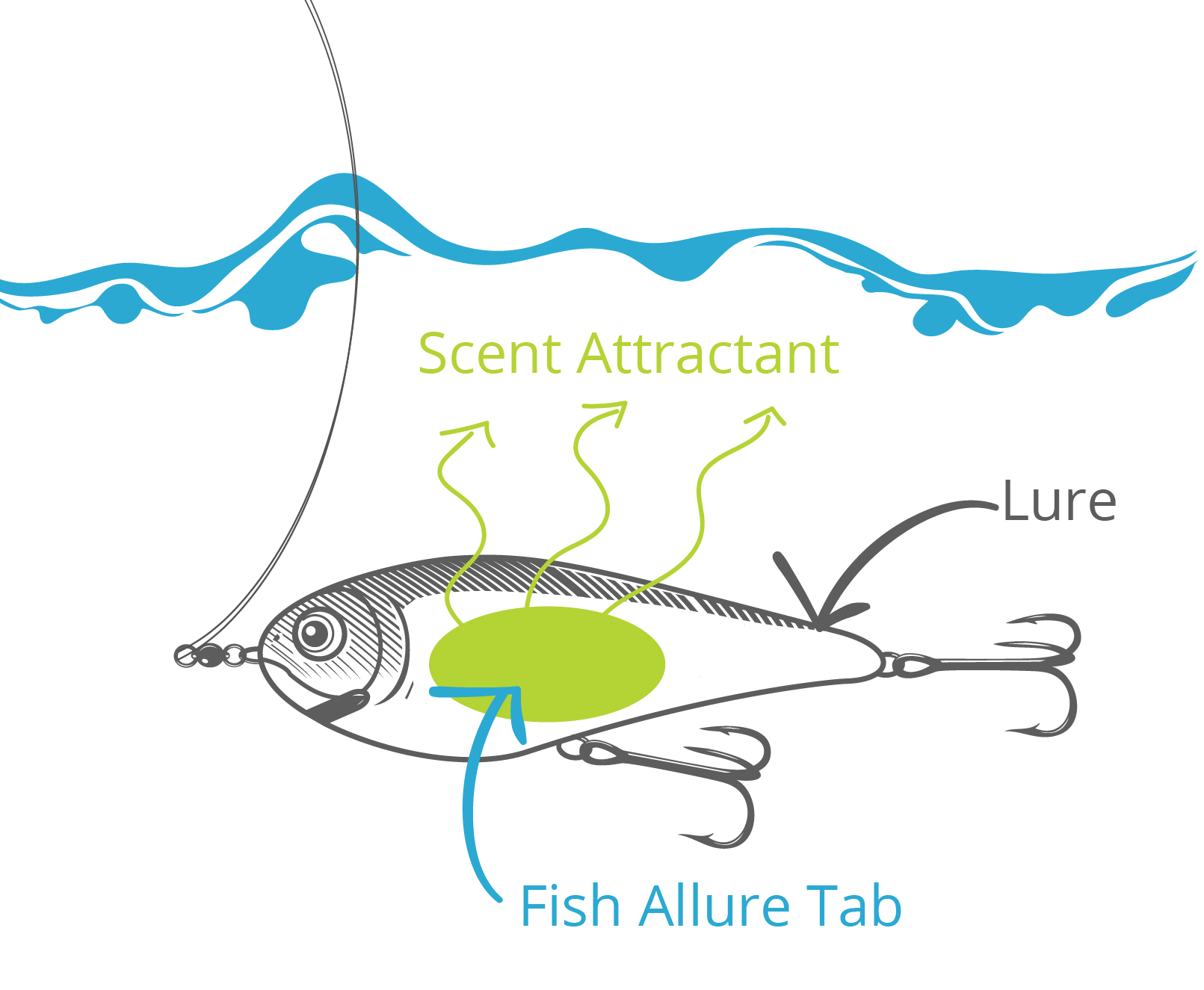
Modern fishing lures are built to create specific movements that copy natural prey. Shape, weight balance, and materials all affect how a lure behaves underwater.
Learning how bait movement attracts fish also means understanding why certain lure designs work. A lure is not only a visual object; it is a tool for creating realistic underwater signals.

- ✦ Wobbling action
Creates side movement that resembles swimming baitfish.
- ✦ Vibration
Helps fish detect bait through their lateral line.
- ✦ Falling action
A sinking lure can imitate injured prey dropping in the water.
Why Realistic Motion Beats Random Movement
Fish have evolved to recognize common prey patterns. Random movement may attract attention, but realistic movement often creates more confidence.
The best anglers focus on making bait look alive rather than simply making noise.
- ✦ Natural presentation
A believable motion increases the chance that fish will commit to a strike.
Frequently Asked Questions about how bait movement attracts fish

fishingscouty
Contributor