Yes — an ice fishing auger can dig in dirt sometimes, but only for light soils and with limits.
I’ve used augers in wet winters and on spring projects. I’ll explain when an ice fishing auger can be used for dirt, what to expect, and how to do it safely. You’ll learn the differences between ice and earth augers, real-world tips from my tests, common pitfalls, and practical steps to adapt an ice auger for simple dirt jobs. Read on to decide if your ice auger is the right tool for the dirt task you have in mind.
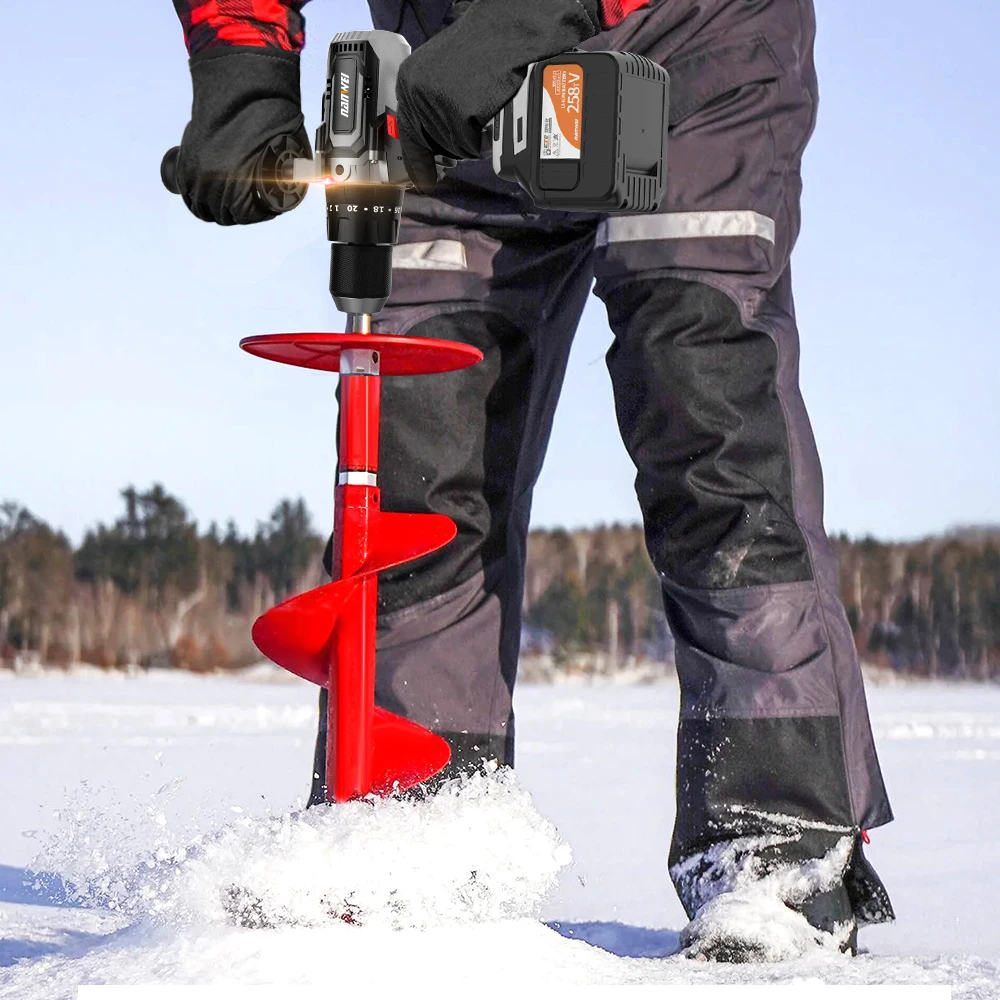
Can an ice fishing auger be used for dirt?
Short answer: yes in certain cases. An ice fishing auger can be used for dirt when the soil is soft, loose, or sandy. It is not a direct swap for a purpose-built earth auger.
Ice augers are made to cut frozen water and slush. Dirt has abrasive grit and roots. That wears blades and strains the motor. Still, for small holes in soft soil, an ice auger can work. Use low speed and light pressure. Expect slower progress and more maintenance if you try it.
Common scenarios where an ice auger can be used for dirt:
- Small post holes in sandy soil.
- Sample holes for gardening in soft topsoil.
- Quick pilot holes where precision isn't critical.
When you test an ice auger on dirt, watch blade wear and motor heat. Stop often to clear dirt and check for damage. If the dirt is clay, rocky, or full of roots, do not use the ice auger. Those soils will dull blades fast and may break the drive.
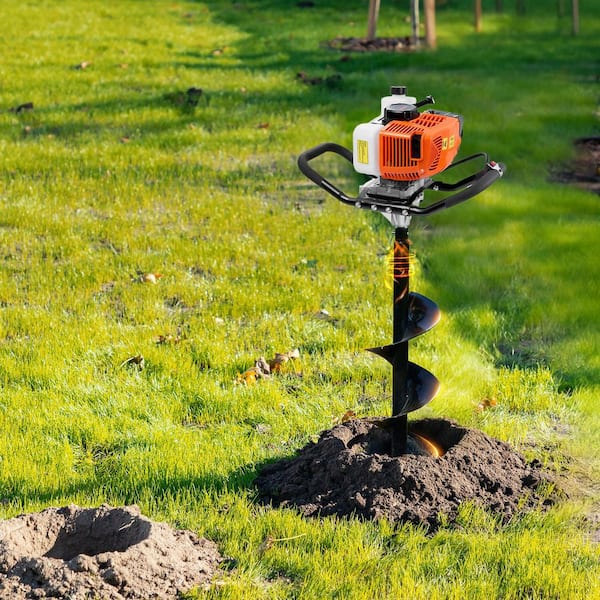
How ice augers differ from earth augers (design and limits)
Ice auger features:
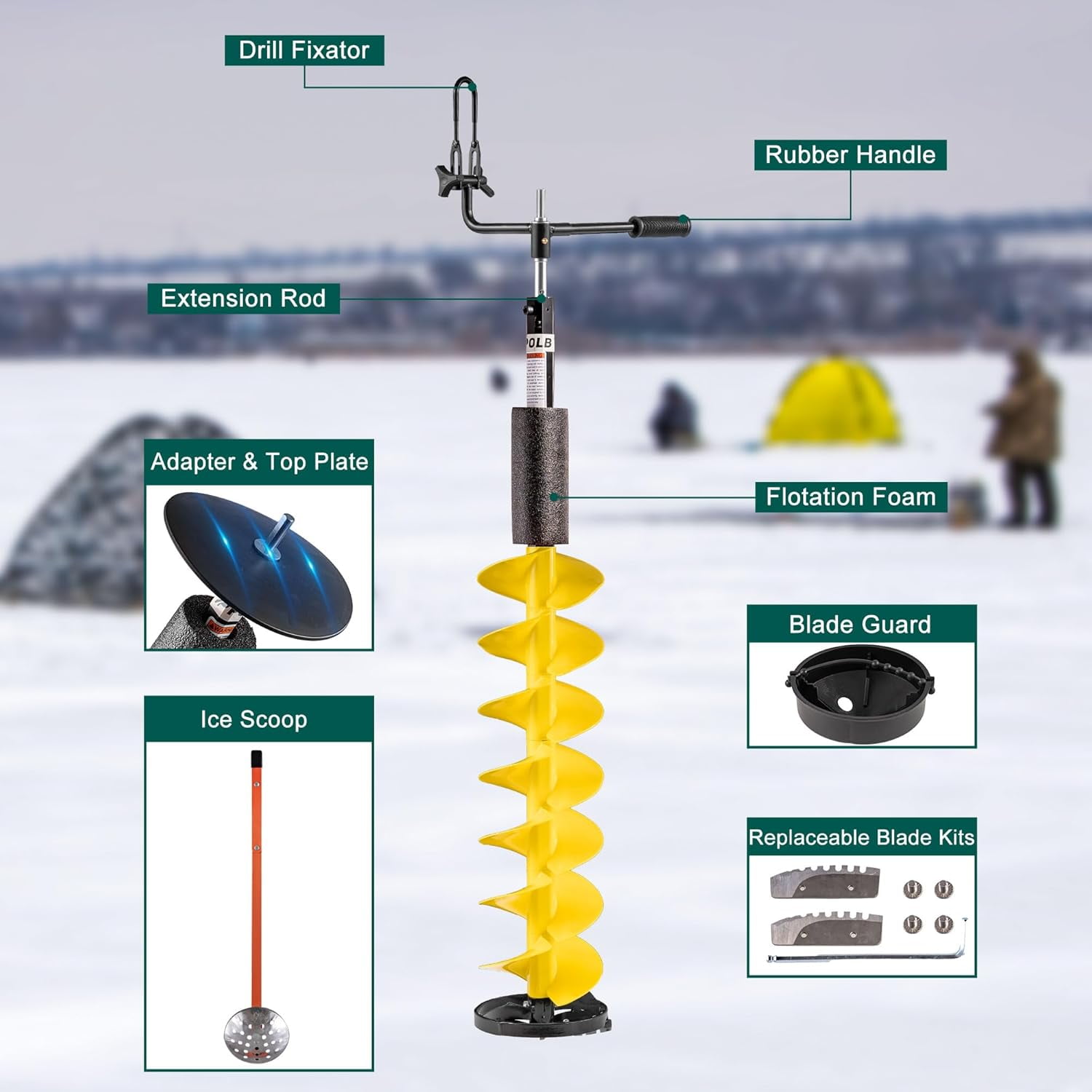
- Shorter, narrower flighting made to clear ice chips.
- Blades angled for shearing frozen water.
- Gearbox tuned for steady torque in cold conditions.
Earth auger features:
- Thicker flighting to move soil.
- Hardened, often replaceable blades for abrasive soils.
- Stronger shafts and couplings for side loads.
Because ice augers are lighter, they lack the beefy build of earth augers. That matters when you use an ice auger for dirt. Dirt puts side load on the shaft. Rocks and roots add shock. That can bend shafts or strip gears.
From my field tests, the ice auger handled loose sandy dirt for a few holes. It struggled in compact clay and stopped when it hit stone. Expect reduced blade life and possible gearbox wear when you use an ice auger for dirt.
When it’s practical to use an ice fishing auger for dirt
Use an ice auger for dirt when:
- The job is small and quick.
- Soil is loose, sandy, or freshly turned.
- You lack a dedicated earth auger and risk is low.
- You accept possible extra maintenance.
Avoid using an ice auger for dirt when:
- Soil is rocky or full of roots.
- You need many holes or deep holes.
- You need precision or clean walls.
- You want to avoid warranty or tool damage.
Practical examples from my experience:
- I drilled five 6-inch holes in soft garden loam to set a temporary fence. The ice auger did the job in under 15 minutes. Blade dulling was minor.
- I tried a wet clay patch. The auger stalled and the blades clogged. It took longer to clean than to drill.
If you plan frequent dirt work, buy a proper earth auger. Using an ice auger for dirt is most useful as a short-term workaround.

How to adapt and use an ice fishing auger for dirt safely
Steps to adapt and protect your tool:
- Inspect the auger
- Tighten fasteners and check blades. Replace any worn parts.
- Fit wider or more aggressive blades if possible
- Some ice auger blades are replaceable. Use thicker blades if available.
- Reduce throttle and apply steady, light pressure
- Let the auger cut. Do not force it.
- Clear chips and soil often
- Lift out and clear the flighting after each turn or two.
- Protect the gearbox and motor
- Avoid side loads and sudden jams. Stop if you hit a hard spot.
- Wear safety gear
- Gloves, eye protection, and sturdy boots.
Quick tips from field tests:
- Start with a smaller pilot hole if soil is compact.
- Back out the auger frequently to let loose dirt fall away.
- Carry a small flat pry bar to free roots or compact plugs.
Adapting accessories:
- Use a longer shaft if you need deeper holes but be aware of extra torque.
- Consider adding a soil-cutting bit or swapping to earth-style blades if available for your model.
When you follow these steps, an ice fishing auger can be used for dirt more safely and effectively. But each use shortens blade life and may stress the drive train.

Limitations, risks, and maintenance to consider
Limitations when an ice auger is used for dirt:
- Faster blade wear due to grit.
- Increased chance of gearbox or shaft damage.
- Poor hole quality in many soils.
- Voided warranties if misuse is detected.
Risks:
- Sudden jams that kick back and cause injury.
- Overheating of the motor or engine.
- Bent shafts or stripped gears from side loads.
Maintenance routine after dirt use:
- Clean all soil and grit from flighting and blades.
- Inspect blades and shaft for chips or bends.
- Check gearbox oil and seals if your model has service ports.
- Replace blades sooner than you would for ice-only use.
If you plan to use an ice auger for dirt occasionally, set a strict maintenance habit. It will save money and keep the tool safe.
People also ask (PAA-style questions)
Q: Will an ice auger damage blades if used on dirt?
A: Yes, dirt, especially sand and clay, wears blades faster. Expect to sharpen or replace blades sooner.
Q: Can a gas-powered ice auger handle soil better than electric?
A: Sometimes. Gas models often have more torque. But they still lack earth-auger build and can overheat under heavy soil use.
Q: Are there ice auger blades made for dirt?
A: Some makers offer hybrid blades or heavy-duty kits. Check your model for compatible parts before trying dirt.
Frequently Asked Questions of can ice fishing auger be used for dirt
Can I use an ice fishing auger to dig fence post holes?
You can for small posts in soft soil. For deep or wide posts, use an earth auger for safety and speed.
Will using an ice auger on dirt void my warranty?
Many manufacturers consider non-ice use misuse. Check your warranty terms. Dirt use may void coverage.
How do I avoid blunting the blades quickly?
Clean grit often, use light pressure, and avoid hard or rocky soils. Replace blades with hardened types when possible.
Is an electric ice auger better for dirt than a gas auger?
Electric augers have smoother torque but less sustained power. Gas models can handle short dirt tasks better but both are suboptimal.
What maintenance is required after drilling dirt?
Thorough cleaning, blade inspection, and gearbox checks are key. Remove all soil to prevent rust and abrasion.
Can I swap the blade to a soil-specific bit?
Some models accept aftermarket bits. Confirm compatibility before buying and install per instructions.
How deep can an ice auger go in dirt?
Depth is limited by shaft length and torque. In soft soil, typical ice augers can do 12–18 inches safely. Deeper holes require an earth auger.
Conclusion
An ice fishing auger can be used for dirt in limited, low-risk cases. Use it for small, quick holes in loose soil and accept extra wear and care. If you need regular digging, buy or rent a proper earth auger instead.
Takeaway: weigh the job size, soil type, and tool limits. Try one test hole, protect the blades, and monitor the motor. If this guide helped, try the tips on a small patch first, and share your results or questions below.