If you are searching for what is a swimbait, the simple answer is that it is an artificial lure built to look and move like a real fish. Swimbaits are popular across the United States because they help anglers catch large predatory fish by matching the natural food sources found in lakes, rivers, and reservoirs.
Over years of studying fishing techniques, many anglers have learned that realistic movement often triggers more strikes. A good swimbait does not just look like a baitfish. It creates a natural side-to-side motion that convinces fish they are chasing an easy meal.

What Is a Swimbait and How Does It Work?
A swimbait is a type of artificial fishing lure designed to copy the appearance and movement of baitfish. Unlike many traditional lures that create sudden action, swimbaits focus on smooth and realistic swimming patterns.
The lure moves through the water by using a paddle tail, jointed body, or flexible material that creates lifelike motion. When retrieved correctly, a swimbait can look like an injured or slow-moving fish, which attracts hungry predators.
- ✦ Natural Appearance
Swimbaits often feature realistic colors, scales, eyes, and body shapes that resemble common prey fish.
- ✦ Realistic Movement
The lure creates swimming action through tail movement, body joints, or flexible plastic materials.
- ✦ Predator Attraction
Bass and other game fish react because the lure matches a food source they already hunt.
Why Fish Respond to Swimbaits
Many predatory fish rely on sight and movement when hunting. A swimbait works because it presents a familiar target that looks like natural prey.
In clear water, a realistic swimbait can be especially effective because fish have more time to inspect the lure before striking.
- ✦ Baitfish Imitation
Swimbaits copy common forage such as shad, bluegill, trout, and minnows.
Types of Swimbaits: Soft, Hard, and Jointed Designs
Understanding what is a swimbait also means knowing the different styles available. Each design creates a different action and works best in certain fishing conditions.
Most swimbaits fall into two main groups: soft swimbaits and hard swimbaits. Anglers choose between them based on target species, water depth, and fishing style.

- ✦ Soft Swimbaits
Soft swimbaits are made from flexible plastic and usually include paddle tails that create vibration and movement.
- ✦ Hard Swimbaits
Hard swimbaits use solid bodies and often contain multiple joints for a realistic swimming action.
- ✦ Glide Baits
Glide baits are larger hard swimbaits designed to move with wide side-to-side swings.
Soft Swimbaits Explained
Soft swimbaits are popular with beginner and experienced anglers because they are easy to rig and highly versatile. They can be used around grass, rocks, docks, and open water.
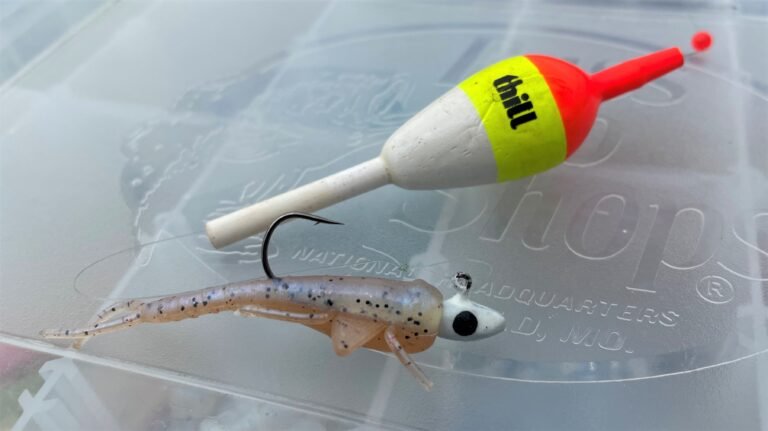
Many bass anglers use soft swimbaits with weighted hooks, jig heads, or weedless rigs to reach different depths.
- ✦ Best Uses
Soft swimbaits work well for bass fishing, especially when fish are feeding on smaller baitfish.
Why Anglers Use Swimbaits for Bass Fishing
Swimbaits have become a favorite choice among bass anglers in the United States because they can imitate the main food sources of largemouth and smallmouth bass.
The main advantage of a swimbait is realism. When fish are pressured by heavy fishing activity, a natural-looking presentation can make a big difference.

- ✦ Catches Bigger Fish
Large swimbaits often attract bigger predatory fish because they represent a high-value meal.
- ✦ Works in Many Conditions
Swimbaits can be fished in shallow water, deep water, clear lakes, and stained water.
- ✦ Flexible Retrieval Options
Anglers can use slow, steady, fast, or stop-and-go retrieves.
Common Fish Species Caught With Swimbaits
While bass fishing is the most common use, swimbaits can attract many freshwater and saltwater predators.
The lure works anywhere fish naturally feed on smaller fish.
- ✦ Popular Targets
Common targets include largemouth bass, smallmouth bass, striped bass, walleye, pike, and trout.
How to Choose the Right Swimbait
Choosing the right swimbait depends on the fish you want to catch and the conditions you are fishing. There is no single best swimbait for every situation.
Experienced anglers consider size, color, depth, and action before selecting a lure.

- ✦ Match the Hatch
Choose a swimbait that matches the size and color of local baitfish.
- ✦ Consider Water Depth
Use lighter lures for shallow water and heavier designs for deeper areas.
- ✦ Select the Right Color
Natural colors work well in clear water, while brighter colors can help in dirty water.
Swimbait Size Selection
Small swimbaits are useful when fish are feeding on small forage. Larger swimbaits can attract bigger predators looking for a larger meal.
Many bass anglers carry different sizes so they can adjust when fish behavior changes.
- ✦ Beginner Choice
A medium-sized paddle tail swimbait is a good starting option because it works in many situations.
How to Fish a Swimbait Effectively
Learning what is a swimbait is only the first step. Proper technique is what turns a good lure into a successful fishing tool.
The most common method is a slow and steady retrieve that allows the swimbait to maintain a natural swimming action.

- ✦ Slow Retrieve
A slow retrieve keeps the lure in the strike zone longer and often works well for cautious fish.
- ✦ Pause Technique
Stopping the lure briefly can trigger fish that follow without attacking.
- ✦ Bottom Contact
Some swimbaits work well when bounced near the bottom around structure.
Basic Swimbait Setup
A medium-heavy fishing rod, strong line, and a quality reel are common choices for many swimbait setups.
The exact equipment depends on lure size and the species being targeted.
- ✦ Rod Selection
Choose a rod with enough power to cast the swimbait and control hooked fish.
Common Swimbait Fishing Mistakes to Avoid
Many beginners make mistakes because they fish swimbaits too quickly or choose the wrong size for local conditions.
Small adjustments can improve results and help anglers get more strikes.

- ✦ Using the Wrong Size
A lure that does not match local baitfish may look unnatural to feeding fish.
- ✦ Retrieving Too Fast
Many swimbaits perform best when moved slowly and naturally.
- ✦ Ignoring Water Conditions
Depth, clarity, and weather can change how fish react to a swimbait.
Frequently Asked Questions about what is a swimbait

fishingscouty
Contributor