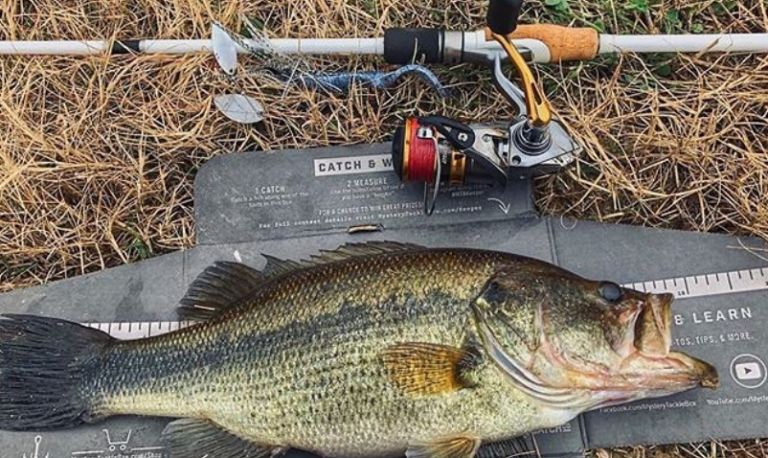
Use a bobber to suspend bait, set depth, and detect bites with clear visual feedback.
I’ve spent years fishing small lakes, rivers, and ponds, and I’ll show you how to use a bobber for fishing with practical, hands-on advice you can trust. This guide explains step-by-step rigging, choosing the right bobber, setting depth, reading bites, and avoiding common mistakes so you catch more fish and learn faster.

Why use a bobber?
A bobber lets you suspend bait at a precise depth and gives a visual signal when a fish bites. Knowing how to use a bobber for fishing helps you target species that feed at midwater or near the surface. Bobbers also slow your presentation and make lightweight baits effective, especially for beginners.

Types of bobbers and when to use them
Float choice depends on water, wind, and target fish. Here are common options and when to use each.
- Round plastic or foam bobbers: Best for calm water and light tackle. They are easy to attach and cheap to replace.
- Slip bobbers: Ideal for deep water and adjustable depths. Use them when fish are below a fixed rig’s reach.
- Slip shot and bobber stop combos: Great for precise depth control without tying on every cast.
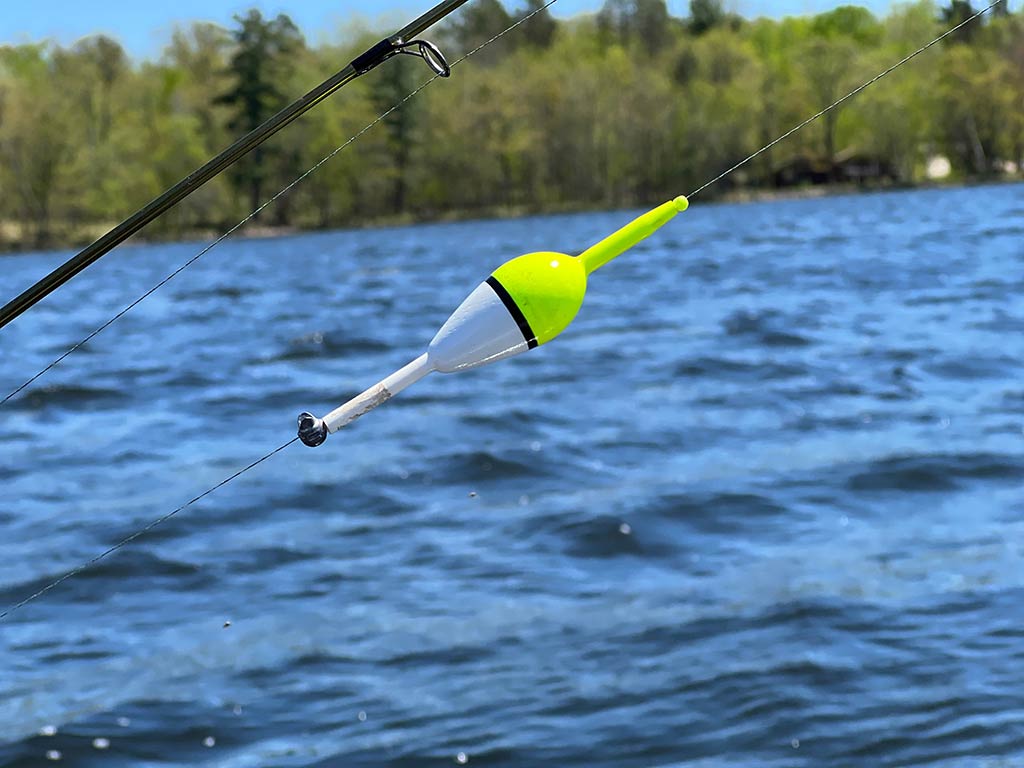
- Pencil and cigar floats: Good for windy conditions and sensitive bite detection. They sit low and disappear cleanly on a strike.
- Bubble floats: Useful for live bait in current; they add buoyancy and let your bait drift naturally.
How to use a bobber for fishing starts with picking the right float for the water and wind you face. Match the bobber size to your bait and the current to avoid drag.

Rigging a bobber: step-by-step
Follow these steps to rig a basic bobber setup. Each step is simple and fast.
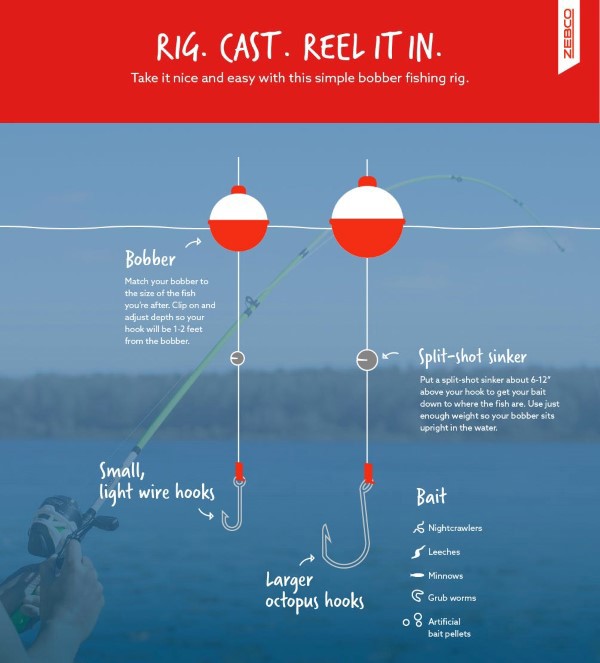
- Tie on a hook and swivel
- Use a reliable knot like the improved clinch. Add a small swivel if using slip rigging.
- Add split shot weight
- Pinch small shot 12–18 inches above the hook. Adjust weight so the bobber sits upright.
- Attach the bobber
- For fixed bobbers, clip or slide on the float. For slip bobbers, thread the line through the float and add a bobber stop.
- Set your depth
- Measure from the bobber to the hook to match where fish are feeding. Start shallow and work deeper until you find fish.
Knowing how to use a bobber for fishing means mastering these simple steps. Practice rigging at home and you’ll be faster on the water.
Setting depth and detecting bites
Depth is the secret to consistent bites. Match the bobber depth to where fish are feeding.
- Shallow feeding: Set the hook 1–3 feet below the surface. Use small floats for shallow cover.
- Midwater feeders: Set depth 4–10 feet depending on the lake or river.
- Bottom feeders: Use slip rigs and place the bait just above the bottom.
Watch the bobber for these signs of a bite
- A slow twitch or jerking motion often means a tentative bite.
- The bobber disappears under the surface on strong strikes.
- A bobber that drifts or moves sideways can show a cruising fish.
Learning how to use a bobber for fishing means training your eyes to read small movements. I taught myself to spot subtle tugs by practicing on calm evenings. That attention made a big difference in catching finicky fish.

Casting and watching the bobber
Cast smoothly and let the bobber settle. Quiet presentations matter.
- Aim for soft landings near cover or drop-offs where fish hide.
- Let the bait fall to the set depth before twitching or reeling.
- Keep line slack manageable; too much slack hides bites.
When you get a bite, wait one second then set the hook with a firm, short lift. If the bobber dips slowly, a light hookset works best. If it vanishes quickly, set hard to avoid losing the fish.

Common mistakes and how to avoid them
Beginners make a few repeatable errors. Avoid these to catch more fish.
- Using the wrong bobber size: Too big scares fish; too small won’t show on windy days.
- Overweighting the rig: Too much shot drags your bait unnaturally.
- Setting depth once and never adjusting: Fish move; change depth often.
- Panicking on subtle bites: Practice patience and watch the float closely.
From my experience, the worst mistake is leaving depth unchanged. I learned to re-check depth every 15–20 minutes and found more bites that way.

Advanced tips and tricks
These small adjustments raise your catch rate and confidence.
- Use a pencil float for quiet lakes when fish are spooked.
- Try two-hook rigs with a bobber to cover multiple depths.
- Color choice: Bright red for distance, white for low light, natural for clear water.
- Use glow sticks or glow bobbers for night fishing and very low light.
How to use a bobber for fishing at night differs only in visibility. I once landed a surprise walleye at dusk by switching to a glow bobber and a small nightcrawler.
Quick questions anglers ask (PAA-style)
How deep should I set my bobber?
Set your bobber where you see fish activity or just above the strike zone; start shallow and increase depth until you get bites.
What weight should I use with a bobber?
Use just enough split shot so the bobber sits upright and the bait falls naturally; too much weight causes drag.
When should I use a slip bobber?
Use slip bobbers when fishing deep water or when you need to adjust depth often without retying.

Frequently Asked Questions of how to use a bobber for fishing
How do I choose the right bobber size?
Match the bobber size to your bait and wind conditions. Use small floats for light baits and larger ones for distance or choppy water.
Can I use a bobber with live bait?
Yes, bobbers work very well with live bait because they let the bait swim naturally at targeted depths. Keep the rig light so the bait moves freely.
How do I set a slip bobber stop?
Tie or slide a bobber stop on the line above the bobber and adjust to the desired depth. The stop limits how far the float will slide.
What fish respond best to bobber fishing?
Panfish, crappie, trout, bass, and perch commonly hit bobber rigs. These species often feed at specific depths where a float helps present bait properly.
How do I prevent tangles with a bobber rig?
Use a swivel and keep shot a short distance above the hook. Cast smoothly and avoid overloading the line to reduce twists and tangles.
When should I change my bobber setup?
Change setups after several casts without bites or when conditions change, like wind, light, or fish behavior. Small adjustments often lead to catches.
Conclusion
A bobber is one of the simplest and most effective tools in any angler’s kit when you know how to use a bobber for fishing correctly. Practice rigging, learn to read float movement, and adjust depth often to find hungry fish faster. Try these tips on your next trip, share your results, and subscribe or comment to keep learning—your next best bite is one simple change away.