When anglers search for fishing float sliding incorrectly on line how to fix, they usually notice one of two problems. The float will not move when it should, or it moves past the set depth. Both issues are common and often easy to repair.
After years of setting up float rigs for lakes, rivers, and coastal fishing in the United States, I have found that small details matter most. A loose stop knot, a damaged float eye, or the wrong line size can change how a sliding float works.
A sliding float should travel smoothly during a cast and stop at the correct depth when the rig reaches the water. This guide explains the causes and gives simple fixes that work for beginners and experienced anglers.
Understanding why a fishing float slides incorrectly on line
A sliding float system lets anglers fish deeper water without using a long fixed float setup. The float moves along the main line until it reaches the float stop. If this movement fails, the rig cannot present bait at the correct depth.
The first step in solving fishing float sliding incorrectly on line how to fix is finding where the movement fails. Watch whether the float sticks near the hook, passes the stop, or refuses to slide during casting.
- ✦ Float stop failure
A worn or loose stop knot may allow the float to travel too far along the line.
- ✦ Line friction
Dirty, twisted, or oversized line can prevent smooth float movement.
- ✦ Float damage
A cracked eye or rough opening can catch the fishing line.
How sliding float rigs should work
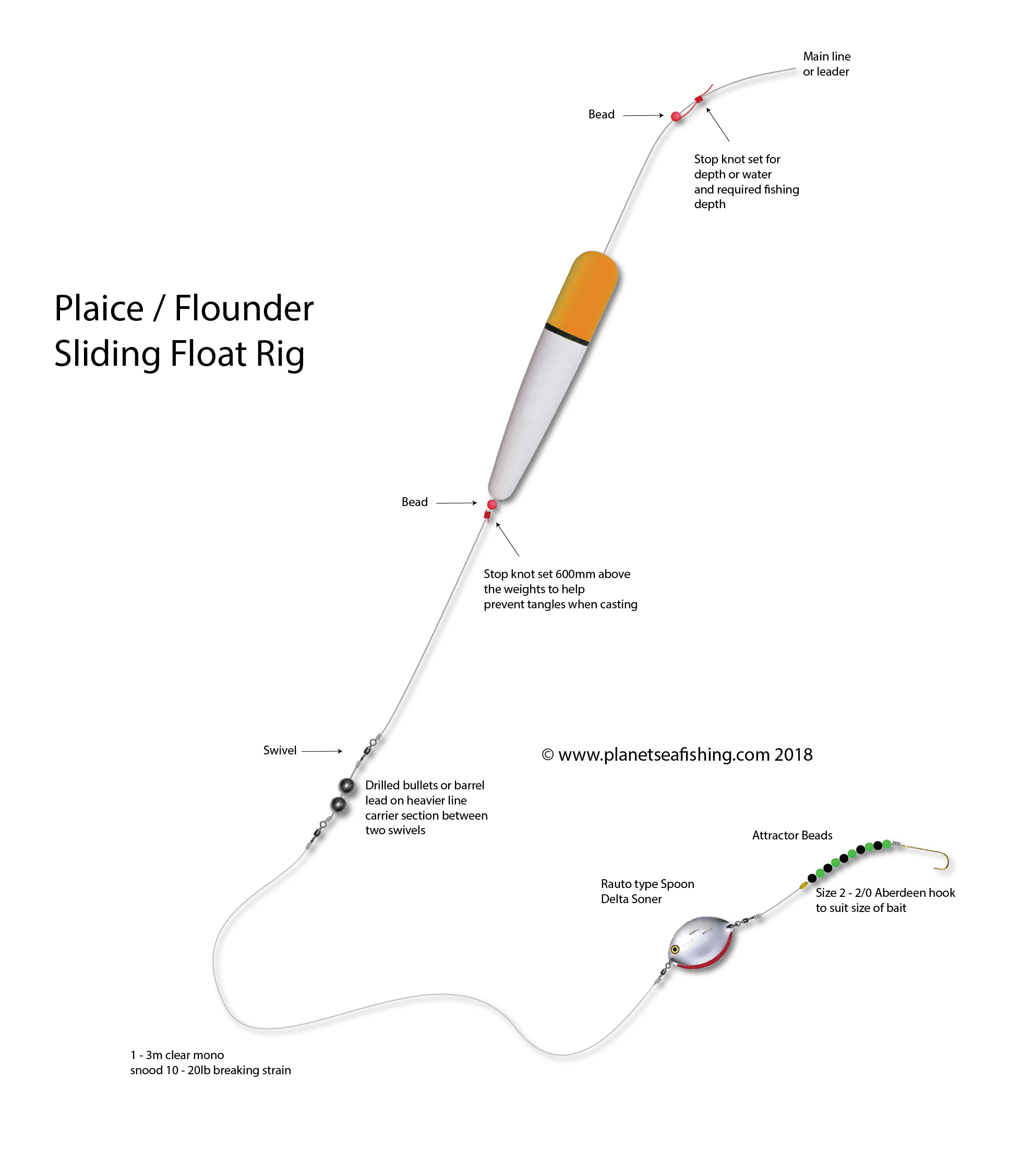
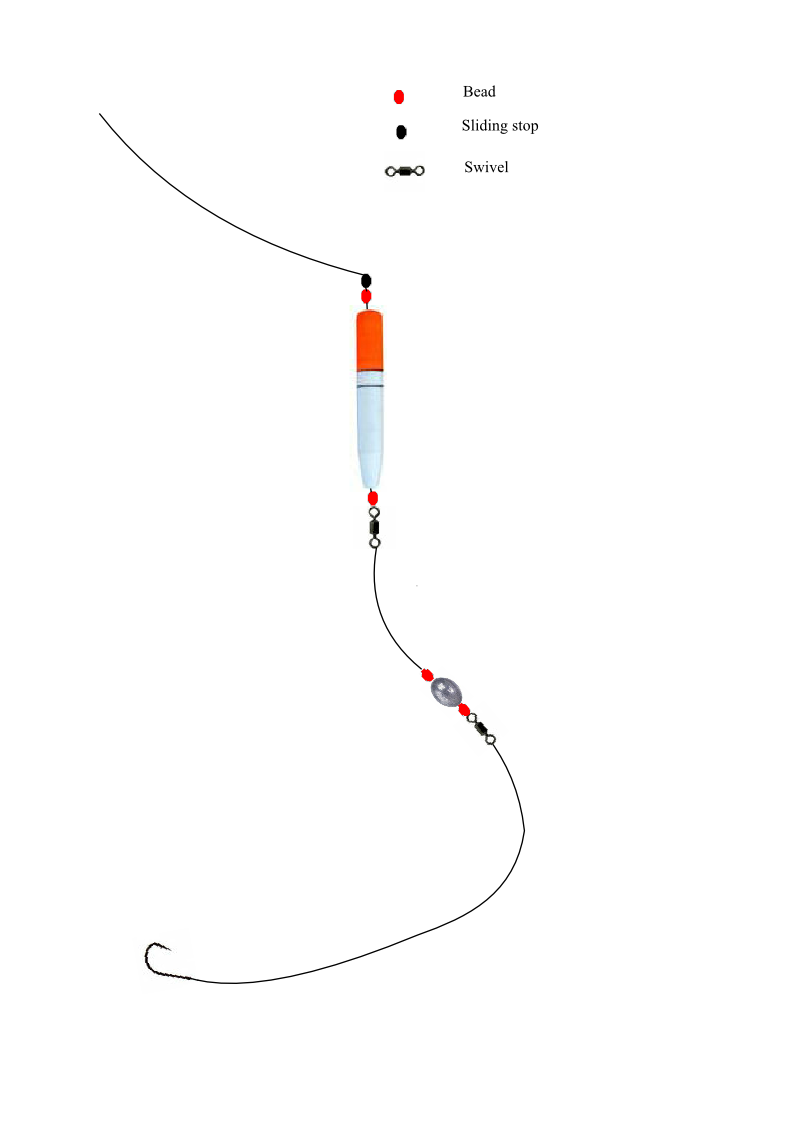
A correct sliding float rig uses a float, stopper, bead, weight, hook, and bait. The stopper controls depth while the float moves freely below it during the cast.
Check and repair the float stop knot
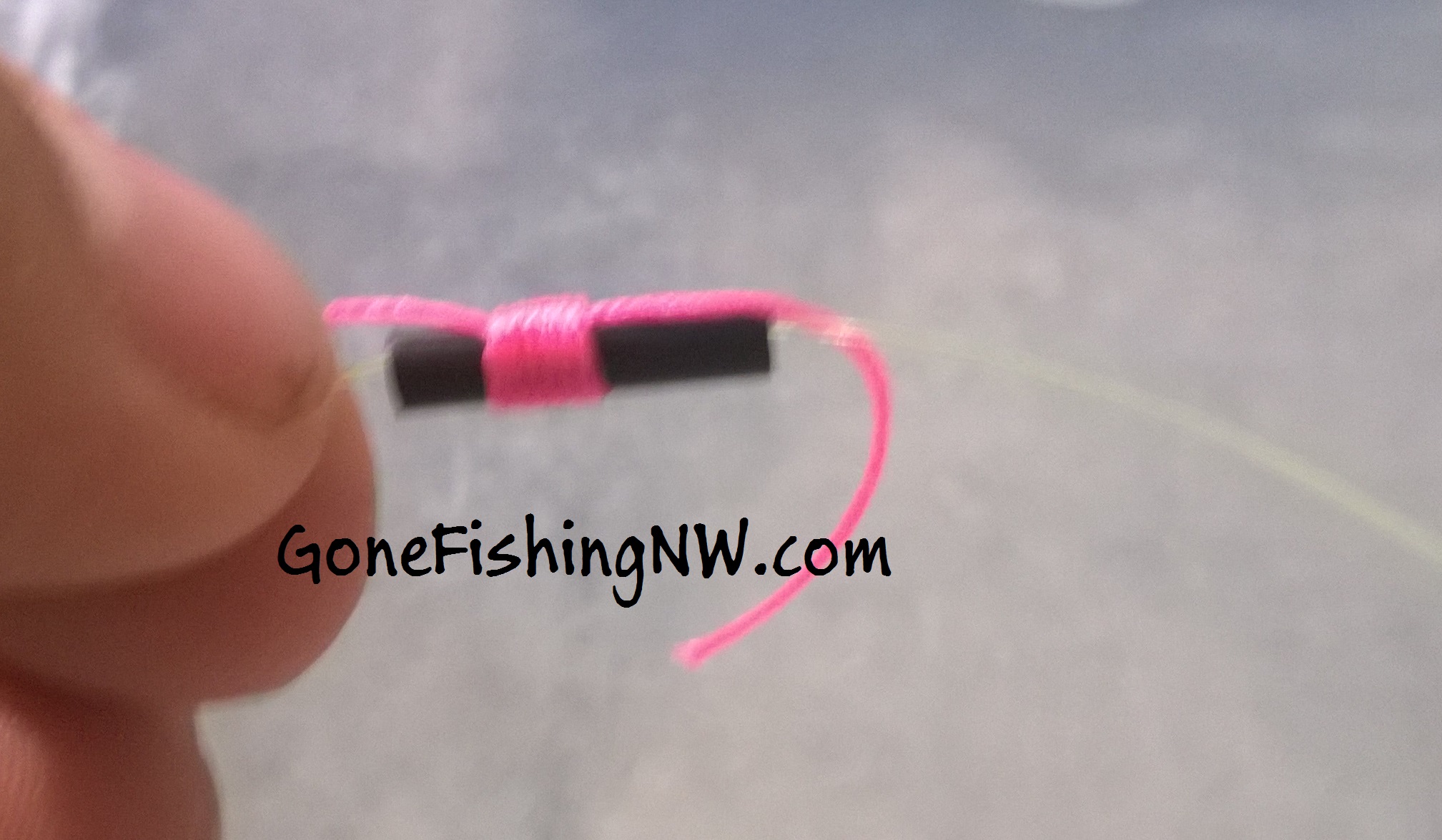
The float stop is the most common reason anglers experience fishing float sliding incorrectly on line how to fix problems. The stop must hold its position while still allowing the line to pass through the float smoothly.
Replace old stop knots when they become loose or damaged. Many anglers use commercial rubber stops because they are quick to change and work well on many line types.
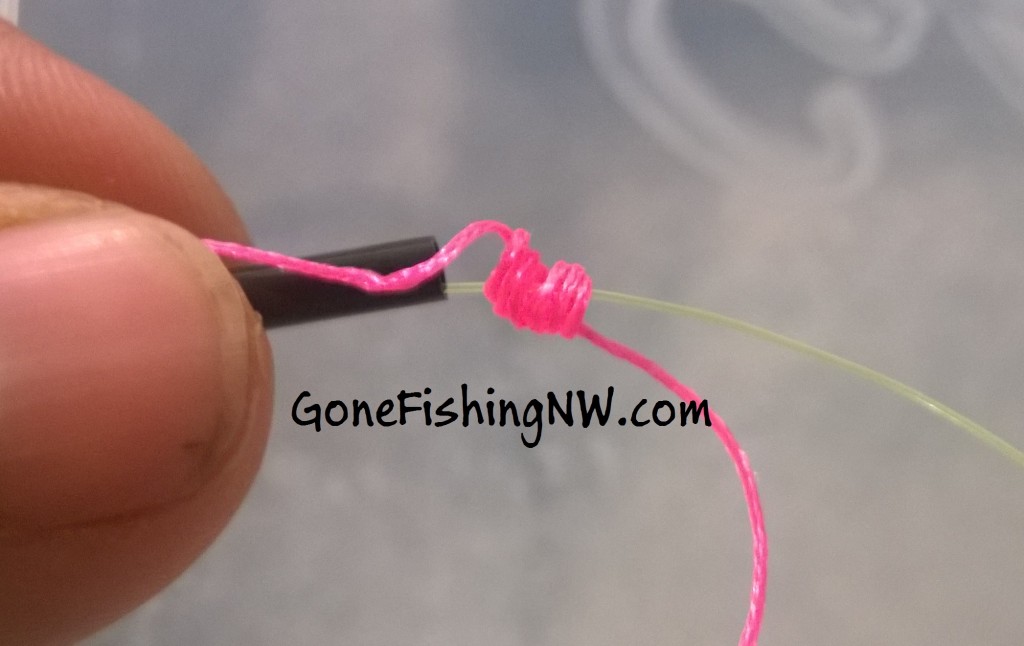
- ✦ Retie the stop knot
Create a firm stop that grips the line without cutting into it.
- ✦ Use the right bead
A small bead protects the knot from repeated contact with the float.
Signs your stop knot needs replacement
If your depth changes after every cast, the stop knot may be slipping. Replace it before adjusting other parts of the rig.
Fix line problems that stop float movement
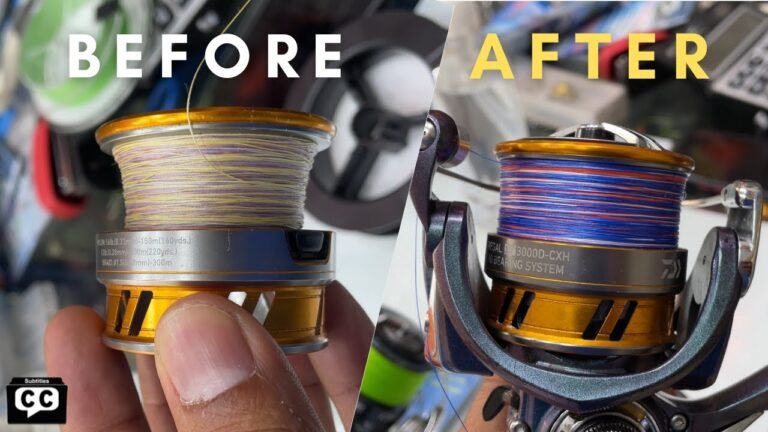
Fishing line condition has a major effect on sliding float performance. Old monofilament may develop coils, memory, or rough spots that increase resistance.
When testing fishing float sliding incorrectly on line how to fix solutions, run the float over a clean section of line. If it moves better there, the line is likely the cause.
- ✦ Clean the line
Remove dirt, algae, and salt residue that can slow float movement.
- ✦ Reduce line twist
Straighten twisted line because loops can catch inside the float.
- ✦ Match line size
Use line that fits the float design and fishing conditions.
Repair a float that sticks on the line
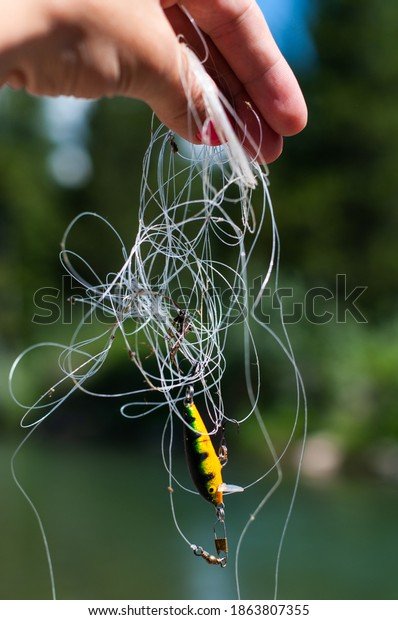
Sometimes the float itself creates the problem. A rough float eye, damaged plastic tube, or bent guide can trap the line.
Inspect the float before replacing other tackle. A simple cleaning or a new float can solve many cases of fishing float sliding incorrectly on line how to fix issues.
- ✦ Inspect the float opening
Look for cracks, sharp edges, or debris inside the line channel.
- ✦ Replace damaged floats
A damaged float may never slide smoothly again.
When to replace instead of repair
Replace the float if the body absorbs water, the stem is broken, or the line guide stays rough after cleaning.
Avoid common sliding float rig setup mistakes
Many float problems start before the first cast. Incorrect rig assembly can make a good float perform badly.
Learning fishing float sliding incorrectly on line how to fix starts with building the rig in the correct order and checking each connection.

- ✦ Wrong stopper position
Place the stop where you want the bait depth to be.
- ✦ Missing bead
A bead helps protect the stop knot from float impact.
- ✦ Too much weight
Excess weight can pull the float down or affect movement.