Stand with feet shoulder-width, grip the rod lightly, smooth backward bring, then forward release and follow through.
I’ve spent years on lakes and rivers teaching anglers how to cast a fishing rod properly, and this guide brings together clear steps, simple drills, and real-world tips to make your casts straighter, farther, and more accurate. Read on and you’ll learn equipment setup, step-by-step technique, common mistakes, practice drills, and safety points so you can cast a fishing rod properly with confidence.
Equipment essentials before you cast
Before you learn how to cast a fishing rod properly, pick gear that matches your goal. Use a rod length and action for the fish you want, and match the reel and line weight to the rod. Tie a simple, strong knot and check guides for damage so the line runs smooth.
- Rod choice Choose a medium-action spinning rod for general casting and lighter lines for finesse.
- Reel choice Use a baitcasting reel for power and accuracy or a spinning reel for ease and versatility.
- Line choice Monofilament and fluorocarbon are good for general use; braid gives distance but needs a shock leader.
Having the right gear makes it easier to cast a fishing rod properly and reduces frustration during learning. Keep spare line and basic tools in your tackle bag for quick fixes.

Step-by-step: how to cast a fishing rod properly (basic overhead cast)
Follow these simple steps to cast a fishing rod properly. Practice slowly until each step feels natural.
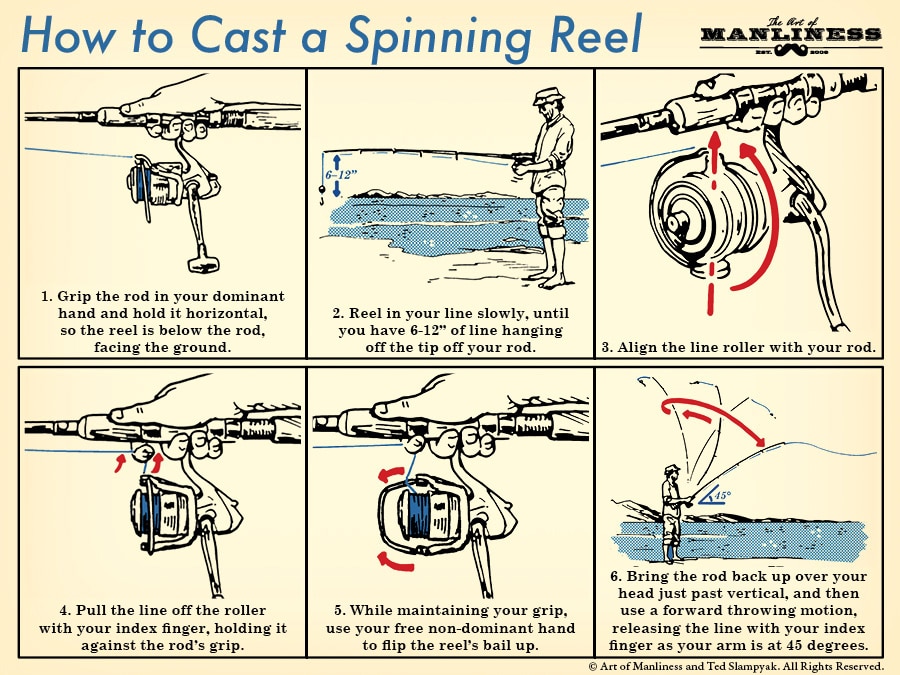
- Set up your rod and reel
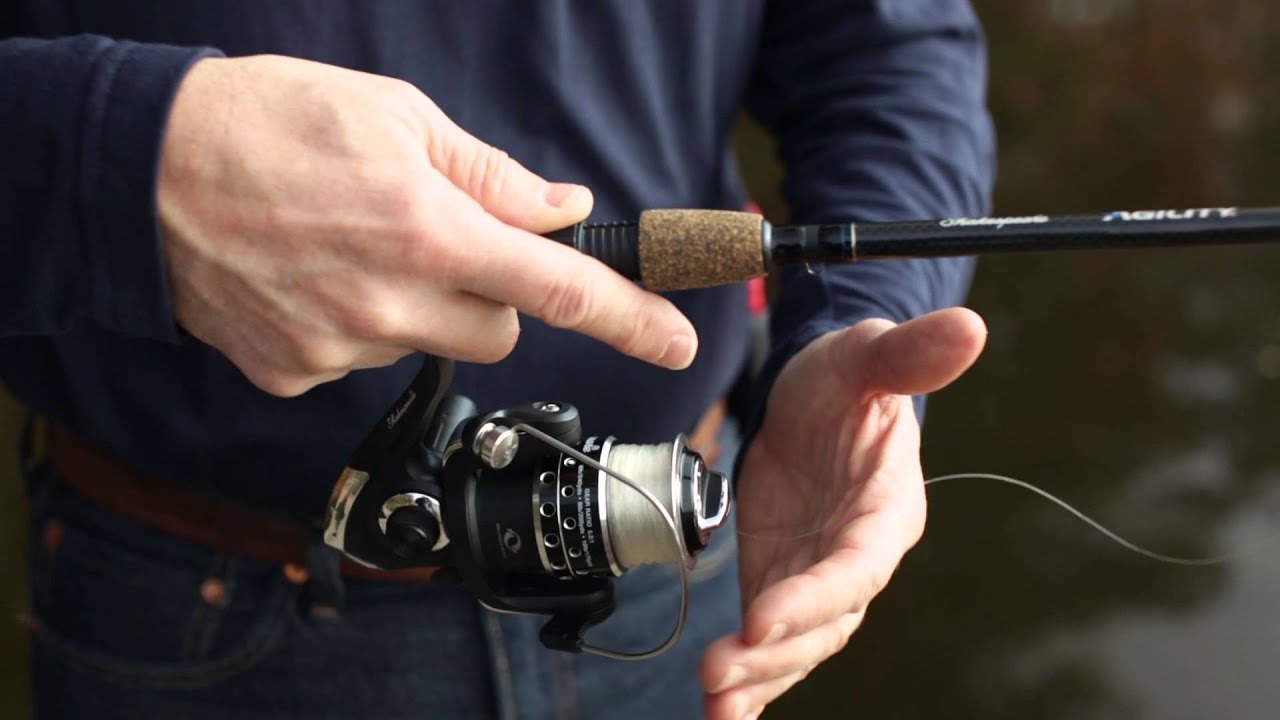
- Open the bail on a spinning reel or depress the thumb bar on a baitcaster. Make sure your lure or weight is secure.
- Grip and stance
- Stand with feet shoulder-width and non-dominant foot slightly forward. Hold the rod with a relaxed but firm grip near the reel or handle.
- Back cast
- Bring the rod tip smoothly backward to about 1 o’clock (for right-handers) or 11 o’clock (for left-handers). Keep the motion controlled, not jerky.
- Forward cast and release
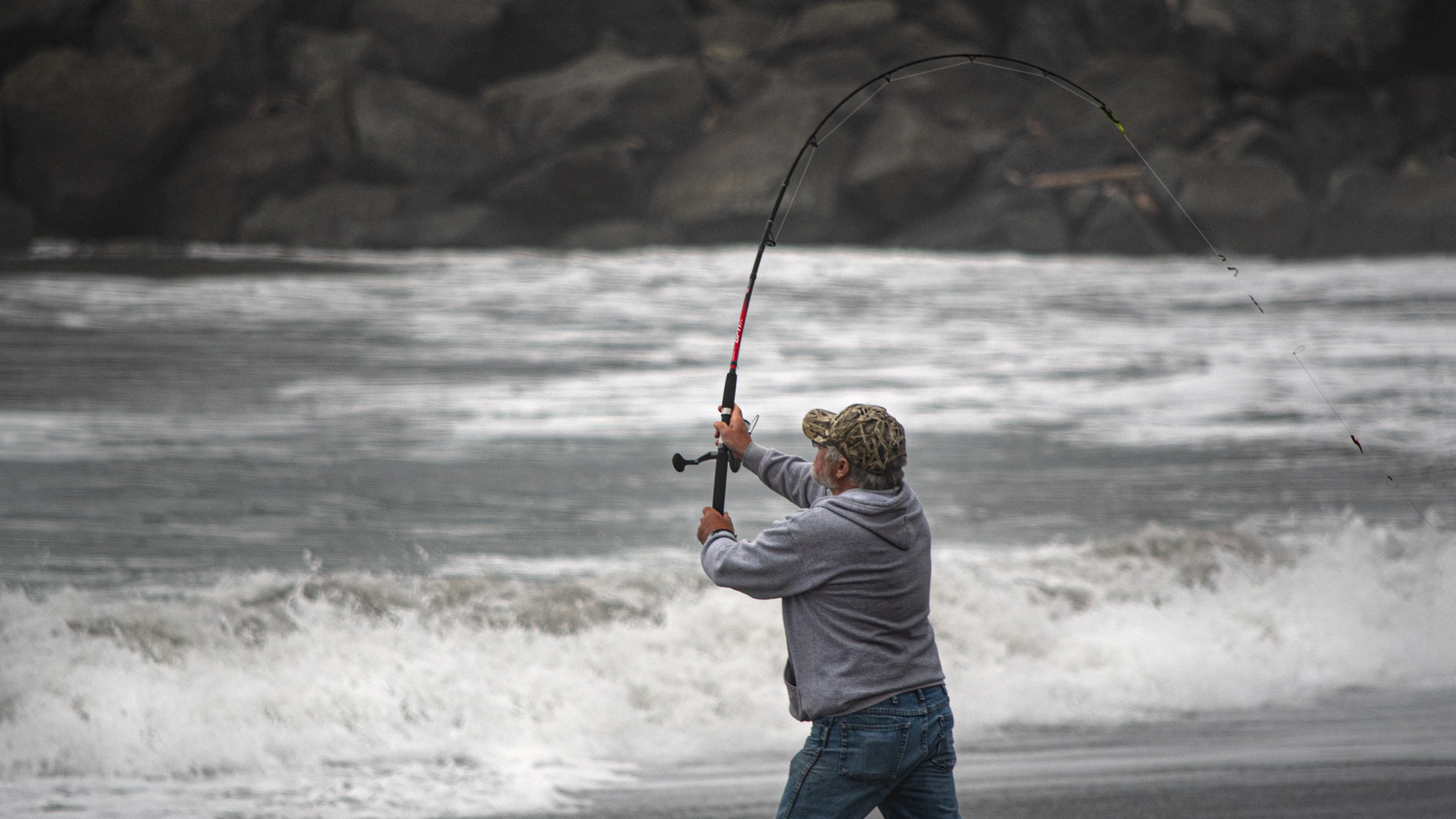
- Accelerate the rod forward with your forearm and wrist. Release the line (or open the reel bail) when the rod tip passes about 10–2 o’clock for right-handers. The timing of the release controls distance and accuracy.
- Follow through and set the rod
- Let the rod continue forward and point it at your target. Close the bail or engage the reel when the lure lands, then reel slowly to feel the setup.
Repeat these steps slowly and focus on timing. Good timing is the core of how to cast a fishing rod properly.

Types of casts and when to use them
Different situations call for different casts. Learn these basic types to cast a fishing rod properly in varying conditions.
- Overhead cast Best for open water and distance. Use when you have room and want range.
- Sidearm cast Slices under low branches and gives a flatter trajectory. Use in windy or tight spaces.
- Flip cast Short, accurate placement into cover. Use a short pendulum motion and minimal back cast.
- Pitch cast For dropping bait into tight targets from a short distance. Use a controlled wrist flick and backspin.
Practice each style to know when to use it. Mastering a few casts will improve catch rates and reduce snags.

Common mistakes and fixes when you cast a fishing rod properly
Most beginners make repeatable errors that hinder progress. Spot these and apply simple fixes to cast a fishing rod properly.
- Gripping too hard Tension locks the wrist and shortens casts. Relax your grip and let the rod bend.
- Releasing too early or too late Mistimed release kills accuracy. Practice release timing by marking a point on the rod and watching when you let go.
- Jerky motion Rushed casts cause line twist and tangles. Use smooth acceleration and steady follow through.
- Wrong rod angle Pointing the rod too high wastes power. Aim slightly above the horizon for distance.
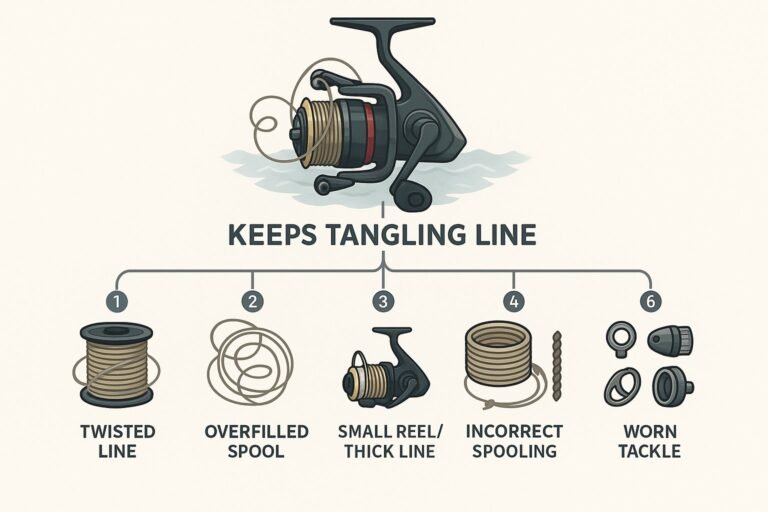
- Bad line management Twisted or old line leads to problems. Replace line when worn and spool correctly.
Personal note: I once fumbled through an entire morning because my reel spool wasn’t seated. Check the basics first; small fixes give big gains when you cast a fishing rod properly.

People also ask (PAA-style)
h3 What’s the easiest way to learn casting?
Start slow and practice without a hook, using a weight or practice plug. Focus on stance, smooth motion, and release timing.
h3 How much power should I use?
Power comes from a steady acceleration, not brute force. Use your forearm and wrist, letting the rod flex to store and release energy.
h3 How often should I practice?
Short, focused sessions three times a week beat long, infrequent practice. Repetition builds muscle memory so you cast a fishing rod properly more naturally.
Drills and progression to improve your cast
Drills are the fastest way to refine skill and confidence. Do these drills to cast a fishing rod properly.
- Wrist-only drill Practice casting using just your wrist to learn release timing and rod tip control.
- Two-stage cast Pause at backcast for one second before forward cast to sync motion and timing.
- Distance targets Set concentric targets at increasing ranges to work on power and accuracy.
- Obstacle course Place low and high obstacles to practice sidearm, pitch, and flip casts.
Track progress by noting distance and accuracy each session. Small, steady gains add up fast.
Safety, etiquette, and environment
Casting is fun but needs responsibility. Follow these rules to cast a fishing rod properly without harm.
- Check surroundings Look for people, pets, and gear behind and beside you before casting.
- Give space Signal or call out to others when casting in crowded spots to avoid line injuries.
- Handle hooks safely Use pliers and barbless hooks when practicing to reduce harm.
- Respect local rules Follow fishing regulations and practice catch-and-release where required.
- Protect habitat Avoid trampling banks and dispose of line and trash properly.
Staying safe and respectful makes fishing enjoyable for everyone and keeps waters healthy.

Personal lessons, mistakes, and tips from real outings
I learned most tips the hard way on wet mornings and windy afternoons. Here are honest takeaways from years of fishing.
- Lesson learned A relaxed grip and steady rhythm beat pure strength every time. When I clenched the rod, cast quality dropped.
- Mistake to avoid Never skip a line check before a trip; a small fray caused a lost bass in my first tournament.
- Quick tip Use markers on your rod (tape or a small sticker) to help time your release during practice.
- Mindset Be patient and enjoy practice. Progress feels slow but becomes noticeable in a few sessions.
These practical tips will help you cast a fishing rod properly faster and with less frustration.
Frequently Asked Questions of how to cast a fishing rod properly
How do I stop my line from tangling?
Keep the reel spool tensioned and check for twists by letting the line run off freely. Replace old or twisted line and spool correctly.
When should I use a baitcasting reel?
Use a baitcaster for accuracy and heavy lures once you master thumb control. Beginners may prefer spinning reels to reduce backlashes.
How can I increase casting distance?
Use a longer rod, lighter line, and a smooth acceleration to load the rod. Wind behind you and a streamlined lure also help extend distance.
What knot is best to tie my lure?
A Palomar knot or improved clinch knot is strong and easy to tie for most lines and lures. Practice tying knots until they are quick and reliable.
How do I practice without hooks?
Use a practice plug, a small weight, or a hook with the point taped for safety. Focus on motion and release; accuracy and distance will follow.
Conclusion
Mastering how to cast a fishing rod properly requires the right gear, a clear step-by-step technique, and focused practice. Start with the basics, practice short drills, and correct common mistakes to build reliable, accurate casts. Get out and practice a few minutes each session, apply one tip from this guide, and you’ll see steady improvement—share your progress, ask questions, or subscribe for more tips and drills.