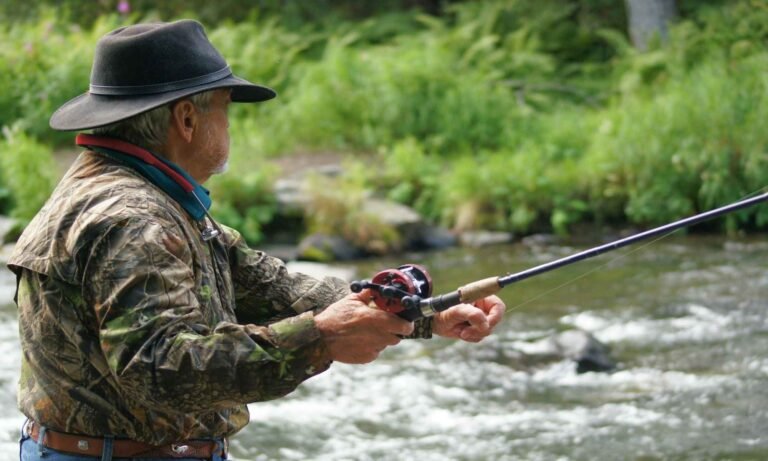
Shore fishing is low-cost and simple; boat fishing opens deeper water and bigger catches.
I have fished from rocky jetties, sandy beaches, small skiffs, and offshore boats for more than 15 years. In this guide I compare shore vs boat fishing from many angles: gear, techniques, target species, cost, safety, and real-life tips. Read on for clear, practical advice to pick the best option for your goals and skill level.
Shore vs boat fishing: overview and core differences
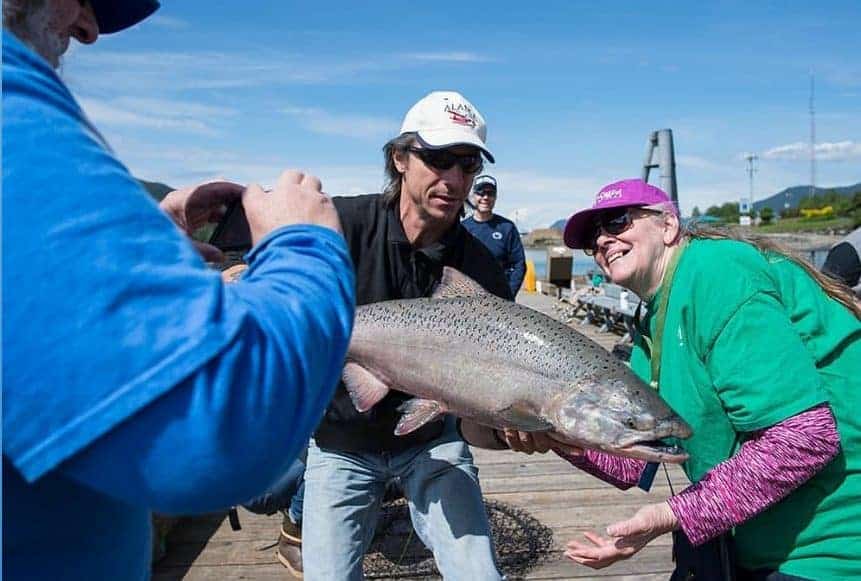
Shore vs boat fishing is a classic choice for anglers. Shore fishing means casting from land. Boat fishing means fishing from a vessel on the water.
Key differences at a glance:
- Water access and depth vary widely.
- Gear choices change with platform stability.
- Fish species and catch sizes often differ.
- Cost and logistics shift from low to higher.
Shore fishing tends to favor patience, long casts, and tides. Boat fishing lets you follow fish, use electronics, and target deeper water. Both methods can be fun and productive. Pick the one that matches your time, budget, and thrill level.
Gear and tackle: what you need for shore vs boat fishing
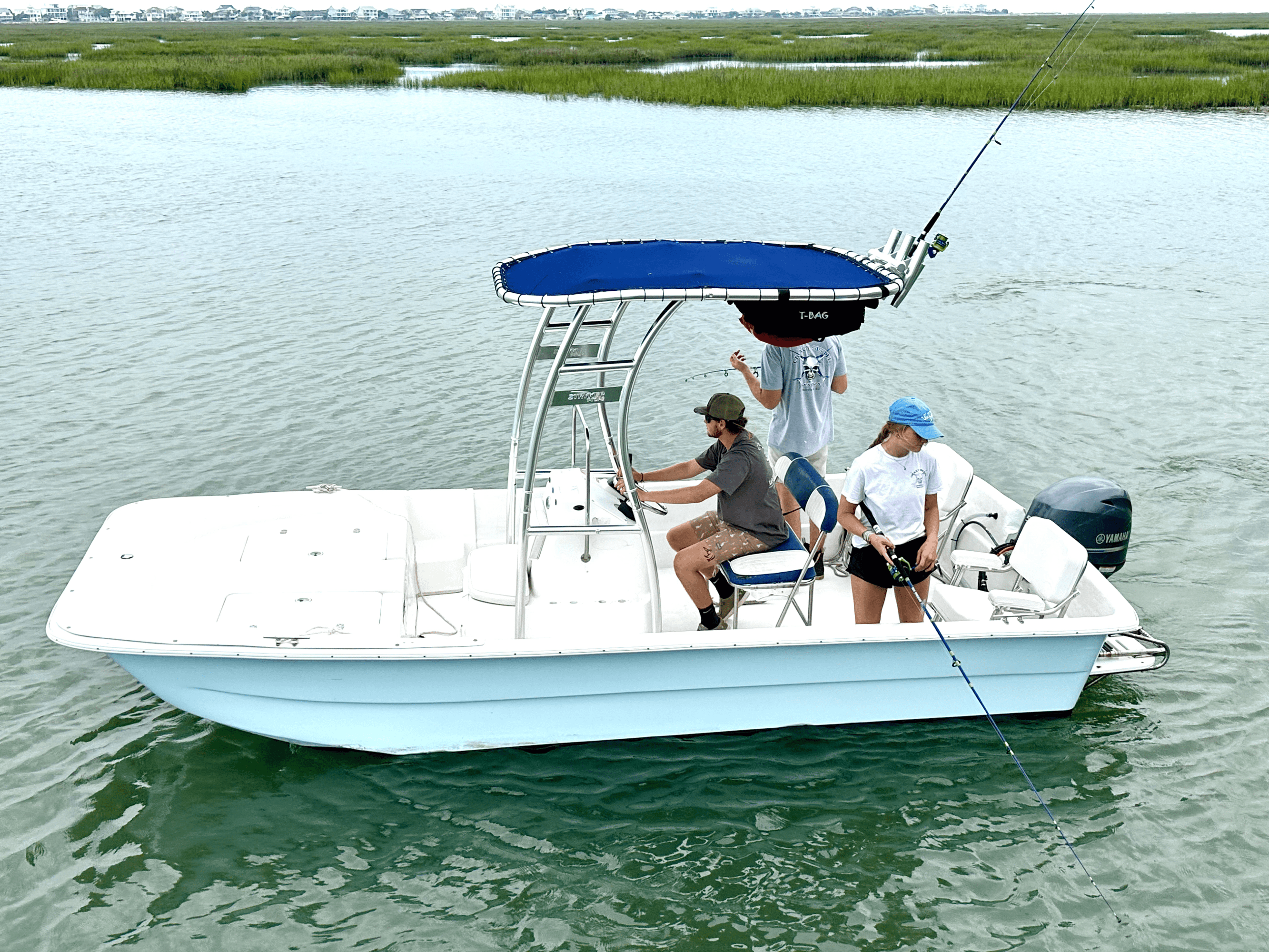
Choosing gear changes with platform. Keep gear light and mobile for shore fishing. For boat fishing, plan for more storage and heavier tackle.
Shore fishing gear basics:
- Rods: medium-action rods from 7 to 10 feet for distance.
- Reels: spinning reels sized 3000–5000.
- Line: braided or monofilament 10–20 lb.
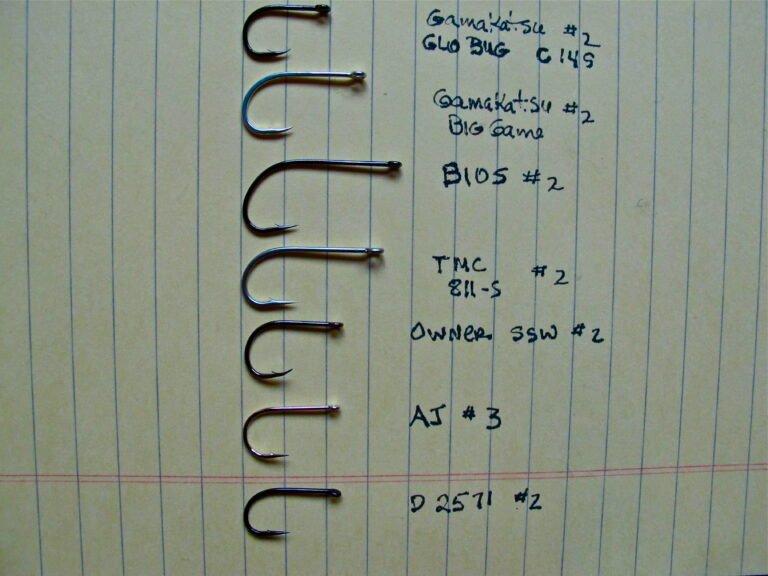
- Terminal tackle: sinkers, swivels, leaders, and pliers.
- Footwear: good traction for rocks and wet sand.
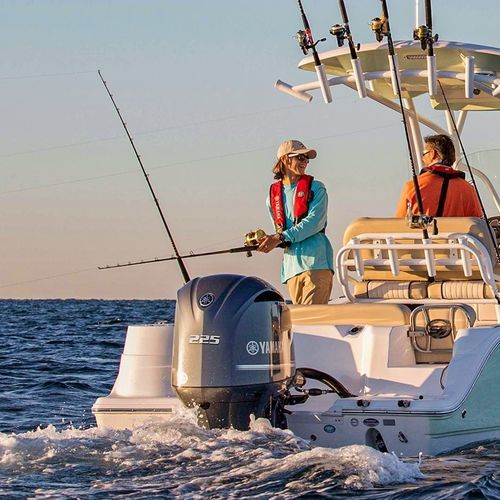
Boat fishing gear basics:
- Rods: shorter, stiffer rods for boat space and power.
- Reels: conventional or larger spinning reels, 20–50 lb braid.
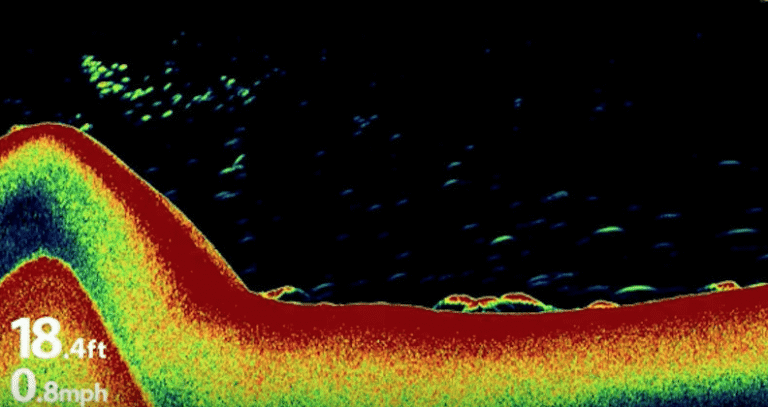
- Electronics: fishfinder and GPS help locate fish.
- Anchoring and safety: spare anchor, dock lines, VHF radio.
- Storage: tackle boxes, coolers, rod holders.
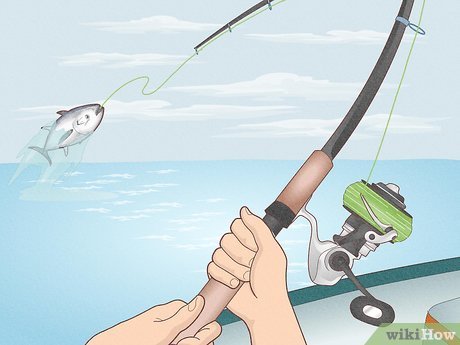
Why the change? Stability and distance matter. From shore, you need to cast far and read water. From a boat, you can present baits vertically and fight bigger fish. This leads to different rigs and lures. In my experience, learning to change rigs fast matters more on a boat.
.jpg)
Techniques and tactics: how shore vs boat fishing differ
Techniques are the heart of fishing. They must suit the platform and target species.
Shore techniques:
- Surfcasting uses long casts to reach feeding fish.
- Topwater and fly fishing work well in flats and estuaries.
- Walking and probing structure helps find fish along the coast.
- Reading tides and currents is crucial.
Boat techniques:
- Anchoring and drifting place baits over structure.
- Trolling covers water to find roaming fish.
- Vertical jigging and live-bait fishing target deeper schools.
- Using electronics to mark fish saves time.
PAA-style questions (short answers)
Can shore anglers catch the same fish as boat anglers?
Yes, shore anglers can catch many of the same species near structure, but boat anglers often reach larger, deeper schools.
Is boat fishing harder to learn than shore fishing?
Boat fishing has a steeper learning curve due to navigation, anchoring, and electronics. But basic boat trips can be simple with good guidance.

Target species and seasonal patterns in shore vs boat fishing
Species depend on location and depth. Seasons shift where fish move.
Shore species examples:
- Surf species: striped bass, bluefish, flounder.
- Estuary species: redfish, snook, trout.
- Freshwater shore: bass, trout, catfish.
Boat species examples:
- Nearshore: grouper, snapper, amberjack.
- Offshore: tuna, mahi-mahi, marlin.
- Deep-water: tilefish, halibut (in certain regions).
Season matters:
- Summer often brings bait and predators closer to shore.
- Spring and fall migrations change bite zones.
- Winter can push fish deeper, favoring boats.
When I targeted snapper offshore, I noticed catches moved with reef temps. From shore, I timed surf fishing with migrating bait schools. The right season helps both shore vs boat fishing succeed.

Cost, access, and logistics: money and time for shore vs boat fishing
Money and time are practical concerns. Shore fishing is low cost. Boat fishing has higher startup and running costs.
Shore advantages:
- Low gear cost and no fuel needed.
- Easy to fish spontaneously.
- Public access often available.
Boat advantages:
- Access to deeper water and more species.
- Higher catch potential for large fish.
- Shared costs possible with friends.
Boat costs to plan for:
- Boat purchase or rental.
- Fuel and maintenance.
- Insurance and storage.
- Safety equipment and periodic repairs.
You can rent a boat or join a charter to try boat fishing before committing. I rented small boats early on and learned which style fit me. That saved money and helped me choose the right boat later.

Safety and regulations: staying legal and alive when shore vs boat fishing
Safety is not optional. Rules and risks differ between shore and boat fishing.
Shore safety:
- Watch tides and rip currents.
- Wear appropriate footwear.
- Know local fishing rules, seasons, and bag limits.
Boat safety:
- Have life jackets for all passengers.
- Carry communication devices and flares.
- Check weather, tides, and fuel before leaving.
Regulations to check:
- Licensing for saltwater and freshwater.
- Size and bag limits for target species.
- Protected areas and seasonal closures.
I once underestimated a tide change on a jetty and felt the risk firsthand. Now I always check local tide charts and carry a simple safety kit. This keeps fishing fun and safe.

Personal experience and practical tips: lessons from real trips
Real trips teach simple rules. Here are lessons I learned on both shores and boats.
Practical tips:
- Scout before peak season for both shore and boat spots.
- Match bait size to local forage.
- Keep rigs simple the first time you try a new style.
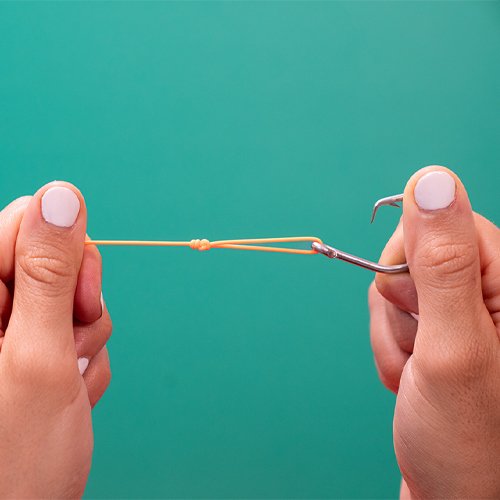
- Learn basic knots and practice them often.
- Respect other anglers and local rules.
Common mistakes to avoid:
- Ignoring weather and tide forecasts.
- Bringing too much complicated gear on a shore walk.
- Overloading a small boat with gear or people.
- Skipping safety checks before departure.
A memorable lesson: on a calm morning I left a small boat without checking the bilge plug. I returned to shore fast and a little wiser. Simple checks save trouble.

How to choose: decision checklist for shore vs boat fishing
Use this short checklist to choose what fits you.
Ask yourself:
- What is my budget?
- How much time can I commit?
- Do I want ease or range?
- Do I prefer solitude or shared trips?
- What species do I want to target?
If you want low cost and quick trips, choose shore fishing. If you want to reach deep water and big fish, choose boat fishing. Try both. Start small and grow your skills.
Frequently Asked Questions of shore vs boat fishing
What are the biggest advantages of shore fishing?
Shore fishing is cheap, easy to start, and requires less gear. It also lets you fish without planning a full day.
Do I need a boat license for boat fishing?
Many regions require vessel registration and anglers may need a fishing license. Check local rules before you go.
Which yields bigger fish: shore vs boat fishing?
Boat fishing often yields larger fish because you can access deeper and less-pressured waters. Shore fishing can still produce big fish, especially near structure or during migrations.
Can I fish both shore and boat with the same tackle?
Some gear overlaps, but you will need different rods, reels, and line strengths for optimal results. Carry adaptable setups if you switch often.
Is shore fishing safer than boat fishing?
Shore fishing avoids certain boat hazards but has its own risks like rip currents and unstable rocks. Both require awareness and safety habits.
Conclusion
Shore vs boat fishing both offer great experiences. Shore fishing wins on cost, ease, and quick access. Boat fishing wins on range, species variety, and bigger fish. Use the checklist and tips here to pick the best path for your goals. Try both styles, learn from short trips, and grow your skills with purpose. Share your favorite trips or questions below, subscribe for more tips, or book a local trip to test boat fishing firsthand.