When anglers search for fishing float sinking unexpectedly how to troubleshoot, they usually face a common problem: the float suddenly disappears even when no fish is biting. This can happen during a calm morning on a U.S. lake, a river trip, or coastal float fishing. The good news is that most causes are easy to find.
After years of float fishing, I have learned that small changes matter. A tiny split shot, water inside a float, or heavy bait can change how the rig sits. Understanding fishing float sinking unexpectedly how to troubleshoot helps anglers spend less time fixing gear and more time catching fish.
Why a Fishing Float Sinks Unexpectedly
A fishing float works by balancing buoyancy against the weight below it. If the weight becomes too heavy, the float cannot stay above water. This is the first thing to check when learning fishing float sinking unexpectedly how to troubleshoot.
The problem may also come from water conditions, damaged equipment, or a change in bait. A rig that worked yesterday may behave differently today because of a new hook, deeper water, or a different current.
- ✦ Too much weight
Extra sinkers, wet bait, or a heavier hook can pull the float below the surface.
- ✦ Damaged float body
Cracks or leaks allow water inside and reduce buoyancy.
- ✦ Wrong float size
A small float may not support the chosen bait and tackle.
Check the Weight and Bait Balance First
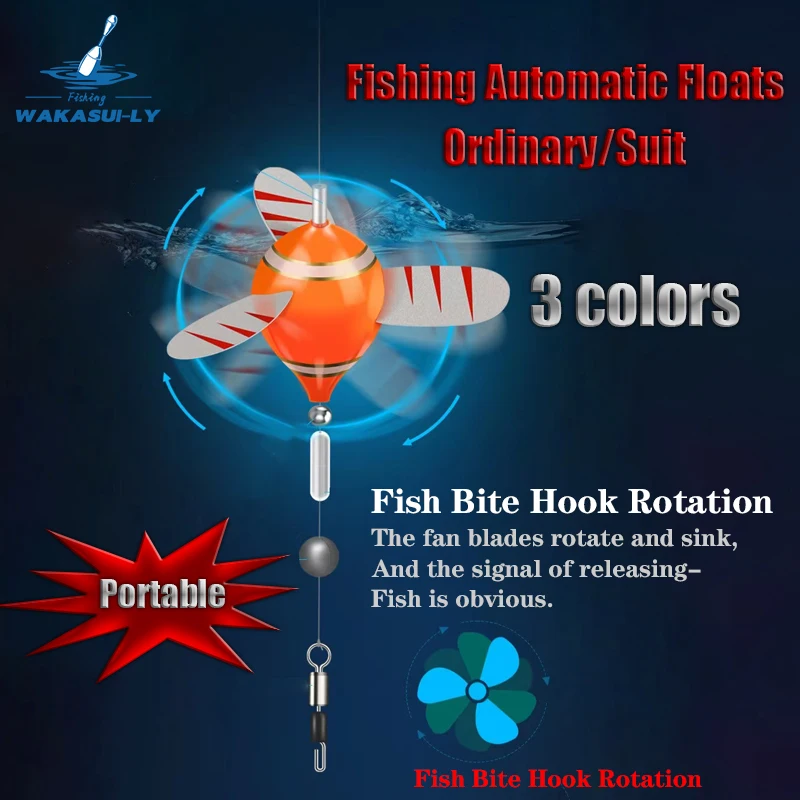
The fastest fishing float sinking unexpectedly how to troubleshoot method is checking your added weight. Remove one sinker at a time and watch the float response. This reveals whether the rig is overloaded.
Many beginners add weight to cast farther but forget that every extra piece affects float balance. Match your float rating with your hook, bait, and sinker setup.
- ✦ Reduce split shot
Remove small weights until the float stands correctly on the water.
- ✦ Test bait size
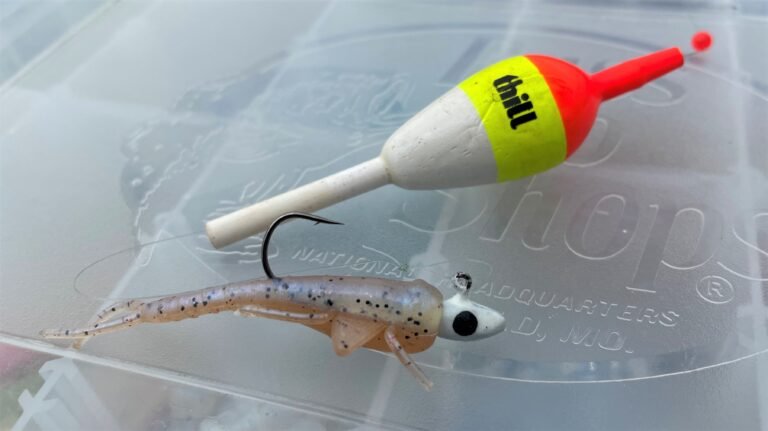
Large worms, dough bait, or heavy artificial lures may sink a light float.
How to Test Float Capacity
Place the rig in calm shallow water. A properly balanced float should show the correct amount of its body above the surface. If it slowly sinks, reduce weight or increase float size.
- ✦ Use a controlled test
Testing before casting saves time and prevents repeated adjustments.
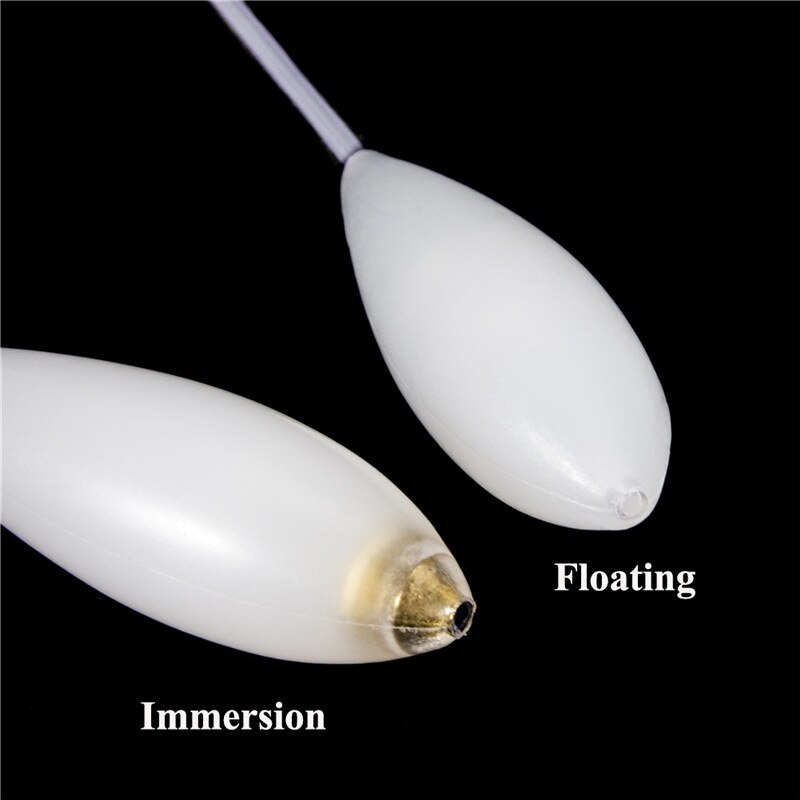
Inspect the Float for Damage or Water Absorption
A damaged float is a common reason for unexpected sinking. Even a tiny crack can let water enter the body and reduce flotation.
When exploring fishing float sinking unexpectedly how to troubleshoot, always squeeze and shake the float gently. Water movement inside can confirm a hidden leak.
- ✦ Look for cracks
Check around attachment points and seams for damage.
- ✦ Replace weak floats
A new float often costs less than losing fishing time.
Fix Line, Depth, and Rig Position Problems
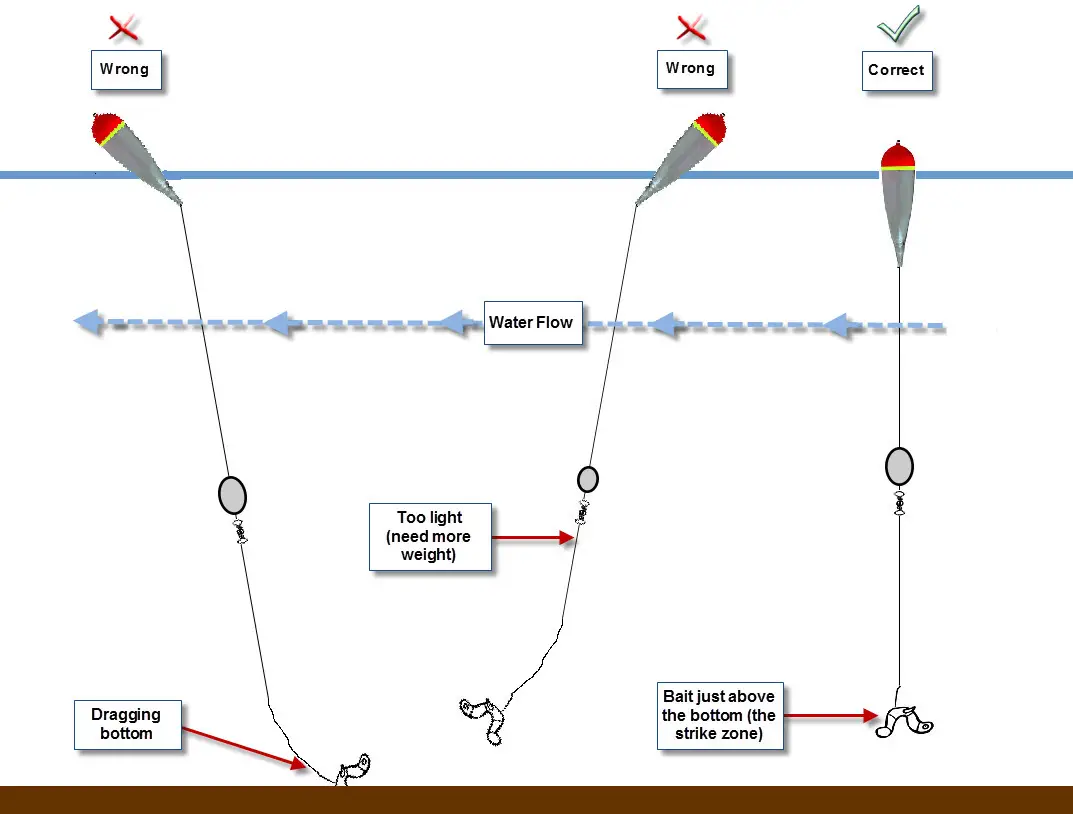
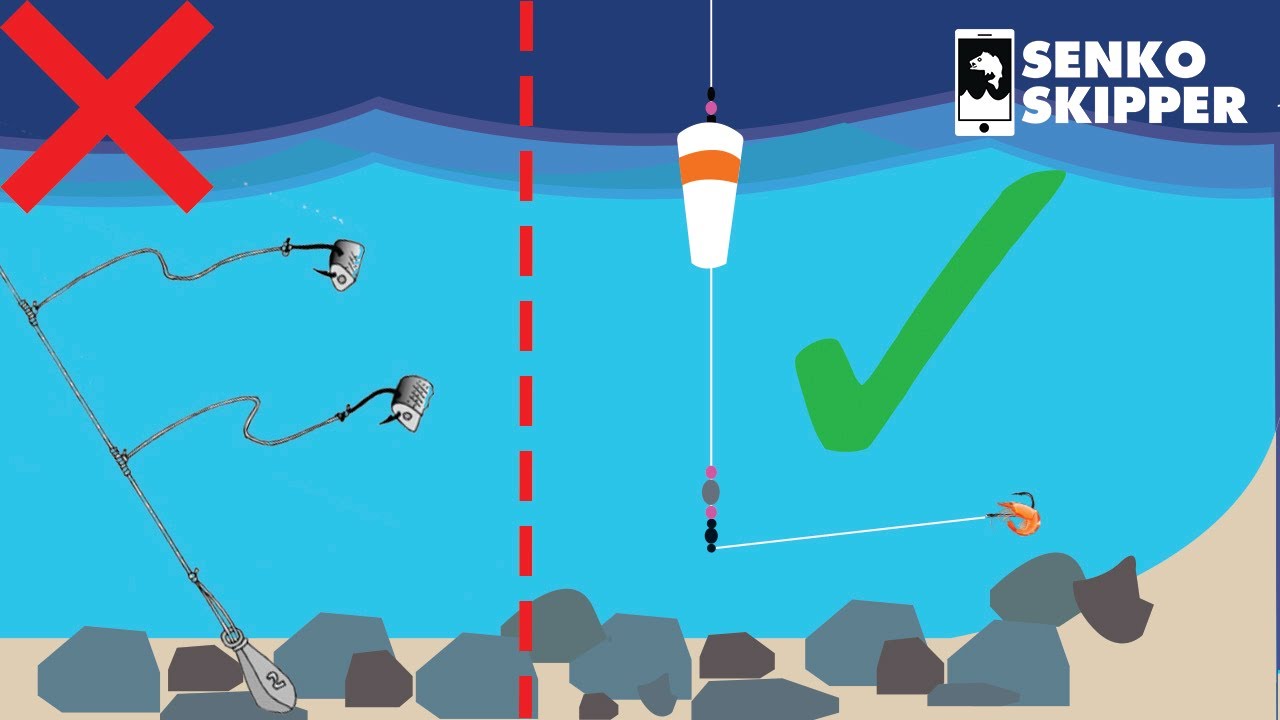
Sometimes the float is fine, but the line setup causes trouble. Excess line under the float can drag it down, especially in moving water.
Correct depth settings are important for fishing float sinking unexpectedly how to troubleshoot because the hook or weight may rest incorrectly on the bottom. Adjust depth slowly until the float sits naturally.
- ✦ Check the stopper
A slipping float stop can change your fishing depth without warning.
- ✦ Avoid line drag
Keep unnecessary line off the water when possible.
Consider Wind, Waves, and Current Effects
Outdoor conditions can make a good rig appear faulty. Wind, waves, and current can pull the float underwater for short moments.
A major part of fishing float sinking unexpectedly how to troubleshoot is learning the difference between a real problem and natural water movement. Watch whether the float returns to position after each movement.
- ✦ Strong current
Moving water can pull line and change float angle.
- ✦ Wind pressure
Surface wind can move the float and affect visibility.
Choosing the Right Float Style
Different floats work better in different conditions. Larger floats handle heavier bait and rough water, while smaller floats provide sensitivity in calm water.
- ✦ Match conditions
Choose float size based on water movement and tackle weight.
A Simple Troubleshooting Checklist Before Your Next Cast
A quick inspection prevents frustration. Before fishing, check your float, weight, bait, line, and depth settings.
The best fishing float sinking unexpectedly how to troubleshoot approach is a step-by-step process. Change one thing at a time so you know what fixed the issue.

- ✦ Test float buoyancy
Place the float in water and confirm it stays upright.
- ✦ Review the rig
Check hooks, weights, knots, and line position.
- ✦ Adjust slowly
Small changes often solve float problems.