Fishing line is one of the most important parts of your setup, yet many anglers overlook its care. Whether you fish lakes, rivers, or coastal waters across the United States, old or damaged line can turn a great day into a lost fish.
Understanding fishing line becoming brittle how to prevent starts with knowing what harms line materials. Sunlight, heat, water exposure, friction, and long storage periods slowly reduce strength. Good line care habits help anglers save money and fish with more confidence.
Why Does Fishing Line Become Brittle?
Fishing line becomes brittle when its material loses flexibility and strength. This happens slowly as the line faces stress from the environment and regular use.
Different line types react in different ways. Monofilament is more affected by sunlight and age, fluorocarbon can become stiff, and braided line can weaken from abrasion and fiber damage.
- ✦ UV damage
Sunlight breaks down line materials over time and can make the surface dry, weak, and easier to snap.
- ✦ Heat exposure
High temperatures can damage line stored in hot vehicles, garages, or direct sunlight.
- ✦ Friction damage
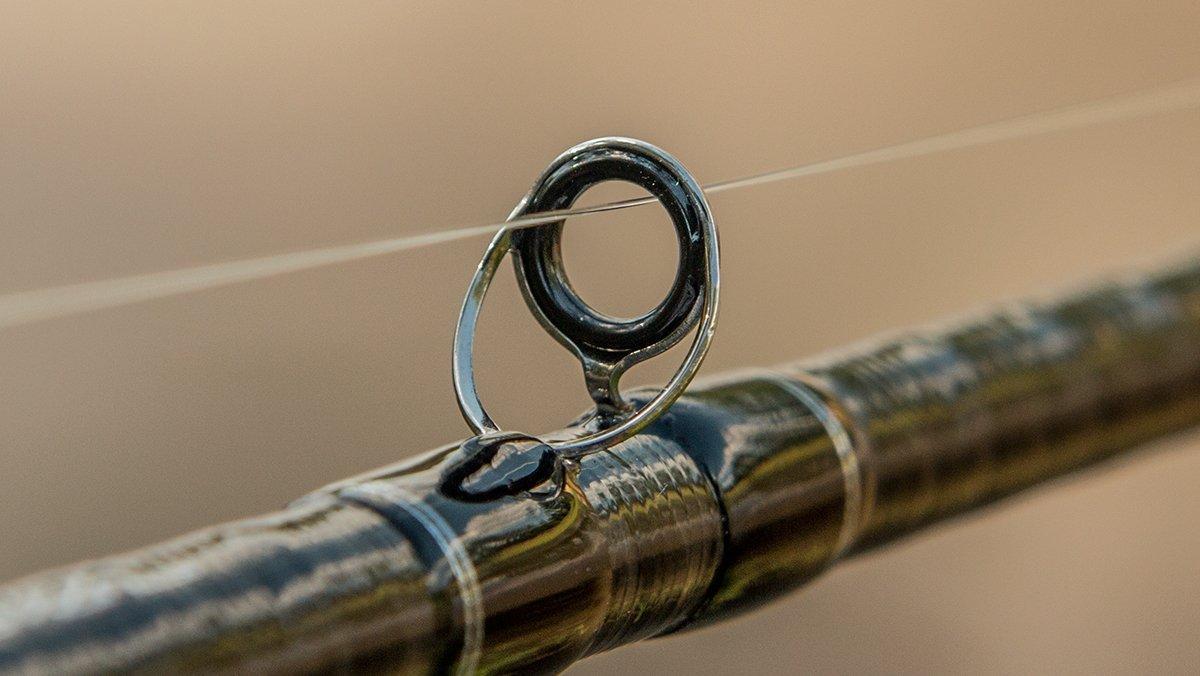
Rocks, docks, weeds, and fish teeth can create weak areas that lead to failure.
How Different Fishing Lines Age
Monofilament usually shows age through stiffness, memory, and reduced stretch. Fluorocarbon may become less manageable when stored poorly. Braided line often fails from abrasion rather than simple aging.
- ✦ Monofilament care
Replace older mono more often because it absorbs water and changes with time.
Fishing Line Becoming Brittle How to Prevent Damage During Storage
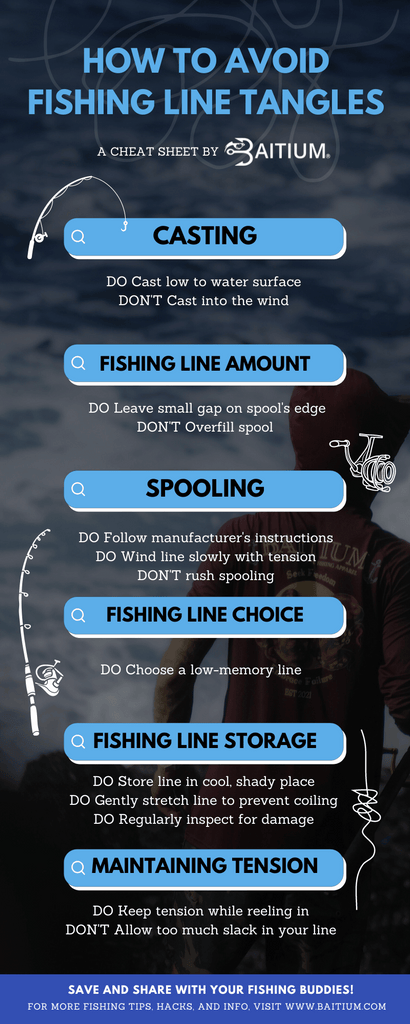
Proper storage is one of the easiest ways to prevent brittle fishing line. Many anglers lose line quality while their reels sit unused during the off-season.
Keep reels away from windows, heaters, and damp areas. A simple storage routine can greatly extend the useful life of your line.

- ✦ Use a cool storage area
Store reels and spare line indoors where temperatures stay stable.
- ✦ Avoid direct sunlight
UV rays are a major cause of line aging, especially for clear monofilament.
- ✦ Clean after fishing
Remove dirt, salt, and debris before storing your gear.
How to Inspect Fishing Line Before Every Trip
A quick inspection can prevent lost fish and broken tackle. Experienced anglers often check the first several feet of line because that area receives the most stress.
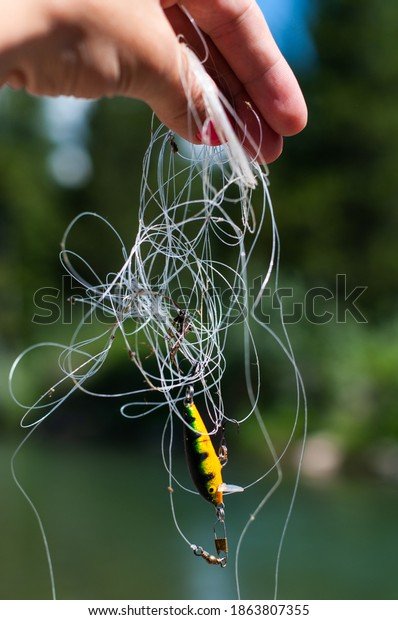
Run your fingers along the line and look for rough spots, cracks, discoloration, or unusual stiffness. These signs often appear before a complete failure.

- ✦ Check for rough texture
A rough surface may show abrasion damage that weakens the line.
- ✦ Look for color changes
Fading can indicate exposure damage, especially on monofilament.
Best Practices for Extending Fishing Line Life
The best approach to fishing line becoming brittle how to prevent problems is combining good storage, careful handling, and regular replacement.
Small habits like trimming damaged sections and using proper knots can keep your setup reliable.

- ✦ Retie often
Fresh knots remove weak sections near hooks and lures.
- ✦ Remove damaged sections
Cut away worn line instead of risking a broken connection.
- ✦ Replace old line
New line is often cheaper than losing a valuable fish or lure.
Common Mistakes That Make Fishing Line Brittle Faster
Many line failures happen because anglers unknowingly expose their gear to harmful conditions. Avoiding a few common mistakes can improve line performance.
Leaving reels in a truck, storing wet line, and ignoring small abrasions are common causes of early line failure.
- ✦ Leaving reels in hot vehicles
Extreme heat speeds up material breakdown.
- ✦ Using old line without testing
Aged line may look fine but still have reduced strength.