Learning how to fish with leeches is one of the most useful skills for freshwater anglers in the United States. Leeches have been a trusted bait choice for decades because they create natural movement in the water and attract species like walleye, bass, trout, crappie, and perch.
After years of testing different live bait methods, many anglers find that a simple leech rig often works better than complicated setups. The key is keeping the leech alive, allowing it to move freely, and presenting it where fish naturally feed.
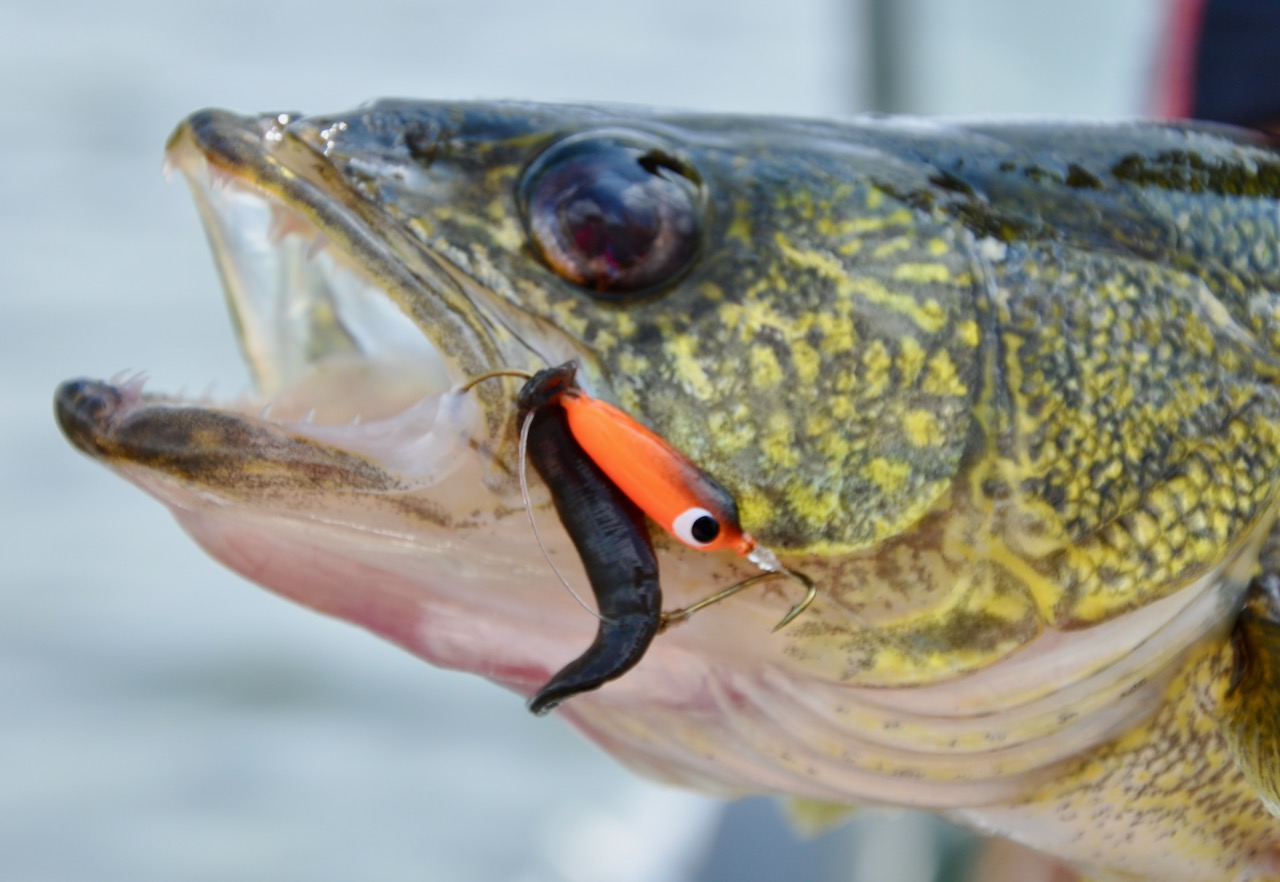
Why Leeches Are One of the Best Live Baits for Freshwater Fishing
Leeches are effective because they create constant movement without much effort from the angler. Their swimming action looks natural and can trigger feeding responses from many predator fish.
When learning how to fish with leeches, understanding their appeal is important. Fish often see leeches as an easy meal because they are common prey in lakes, rivers, and ponds across North America.
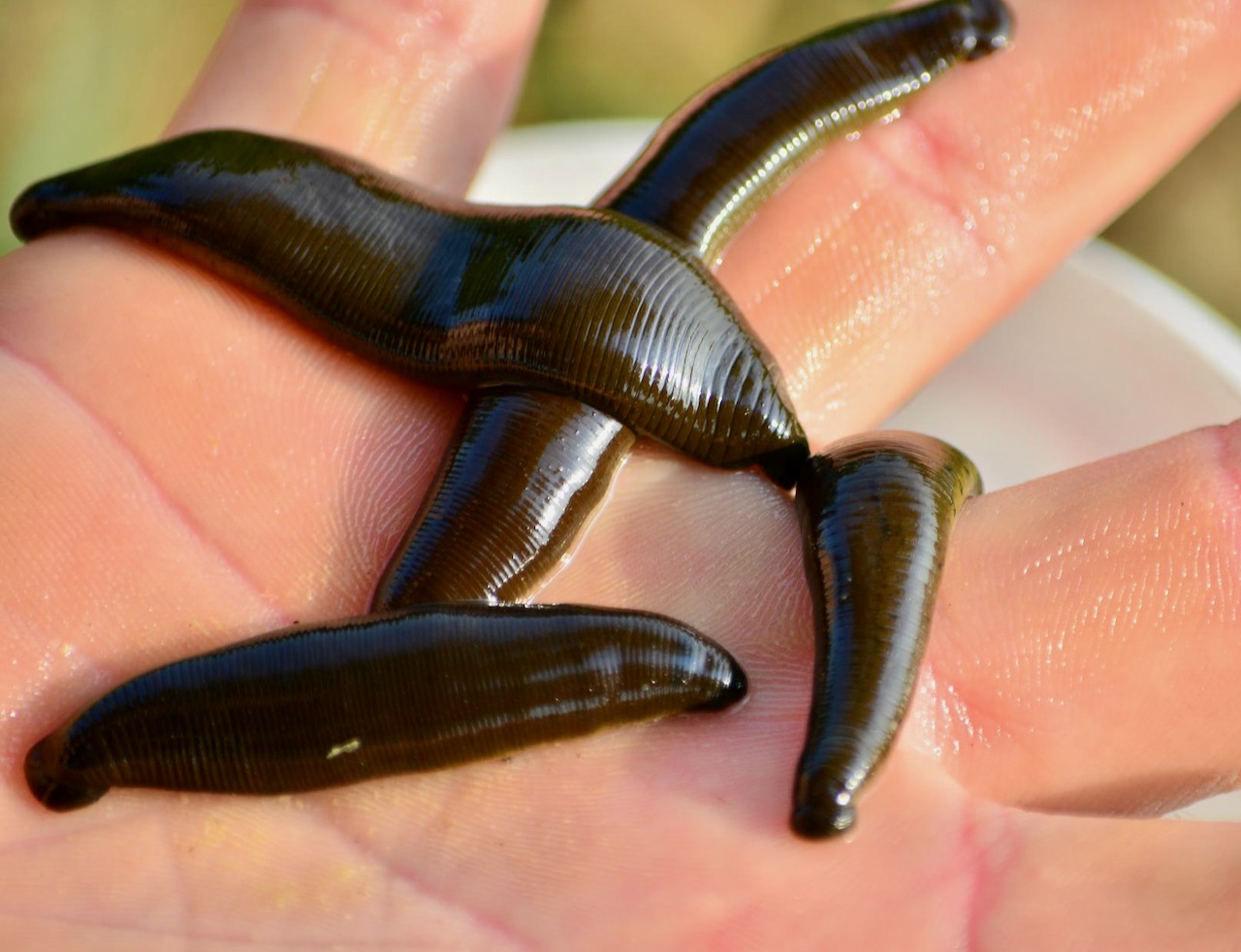
- ✦ Natural movement
A healthy leech wiggles and swims in a way that attracts nearby fish.
- ✦ Works in many conditions
Leeches can be used in shallow water, deep water, clear lakes, and stained rivers.
- ✦ Targets many species
Anglers commonly use leeches for walleye, bass, trout, perch, and panfish.
How to Choose and Store Fishing Leeches Properly
Fresh, lively leeches perform much better than weak bait. When buying leeches from a tackle shop, look for active ones that move quickly when placed in water.
Good storage keeps leeches healthy before your fishing trip. Use a bait container with cold water and avoid exposing them to extreme temperatures.

- ✦ Choose active leeches
Healthy leeches should stretch, move, and react when handled.
- ✦ Keep water cool
Cool conditions help slow their metabolism and keep them active longer.
- ✦ Avoid overcrowding
Too many leeches in a small container can reduce their quality.
Where to Get Leeches for Fishing
Most anglers buy fishing leeches from local bait shops during the fishing season. Some experienced anglers also collect their own where regulations allow, but purchased bait is usually easier and more reliable.
- ✦ Local bait shops
They usually provide properly stored fishing-grade leeches.
How to Hook a Leech for Fishing
Hook placement is one of the most important parts of learning how to fish with leeches. The goal is to secure the bait while allowing it to move naturally.
A common method is hooking the leech through the sucker end. This keeps the body free and creates a realistic swimming action that attracts fish.
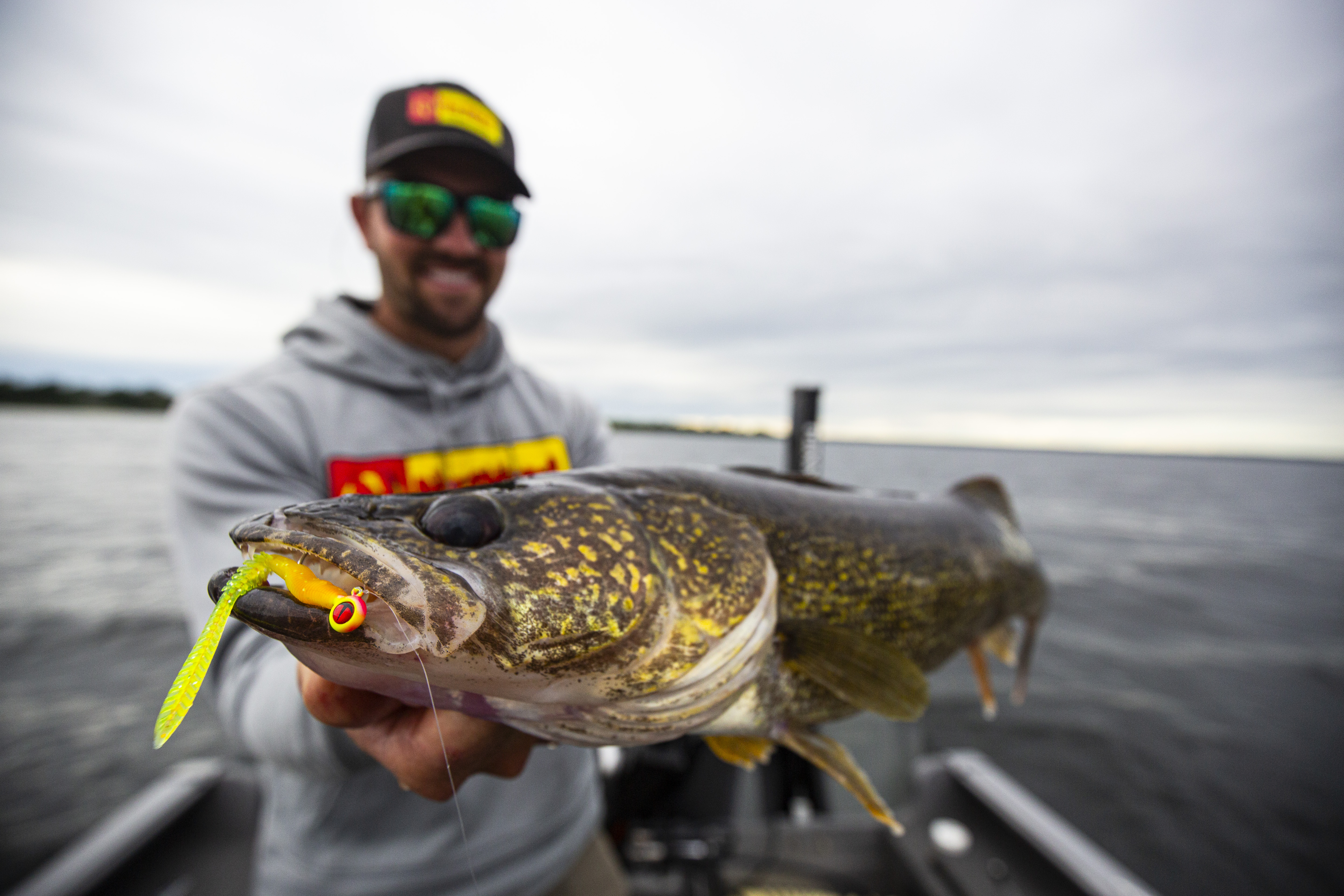
- ✦ Single hook method
Insert the hook lightly through the sucker end for a natural presentation.
- ✦ Jig hook method
Attach the leech to a jig head when fishing near the bottom.
- ✦ Avoid damaging the body
A damaged leech loses movement and becomes less attractive.
Common Mistakes When Hooking Leeches
Many beginners hook the leech too deeply, which limits movement. A lighter hook placement usually creates a better action in the water.
The Best Rigs for Fishing with Leeches
Choosing the right rig can make a major difference when fishing with live leeches. Different setups help you reach fish at different depths and locations.
The slip bobber rig, jig rig, and simple hook-and-weight setup are among the most popular choices for American freshwater anglers.
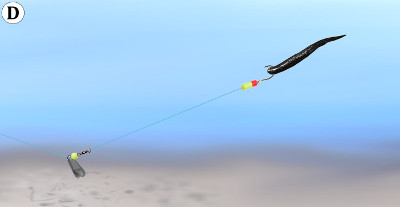
- ✦ Slip bobber rig
Great for suspending a leech above weeds or near feeding fish.
- ✦ Jig rig
Useful for bottom fishing and targeting walleye or bass.
- ✦ Split shot rig
A simple setup for slowly presenting a leech near the bottom.
How to Fish with Leeches for Different Fish Species
The best approach changes depending on the fish you want to catch. Each species has different feeding habits, so adjusting depth and movement improves results.
For example, walleye anglers often drift or slowly troll leeches near rocky areas, while bass anglers may fish them around weeds and cover.
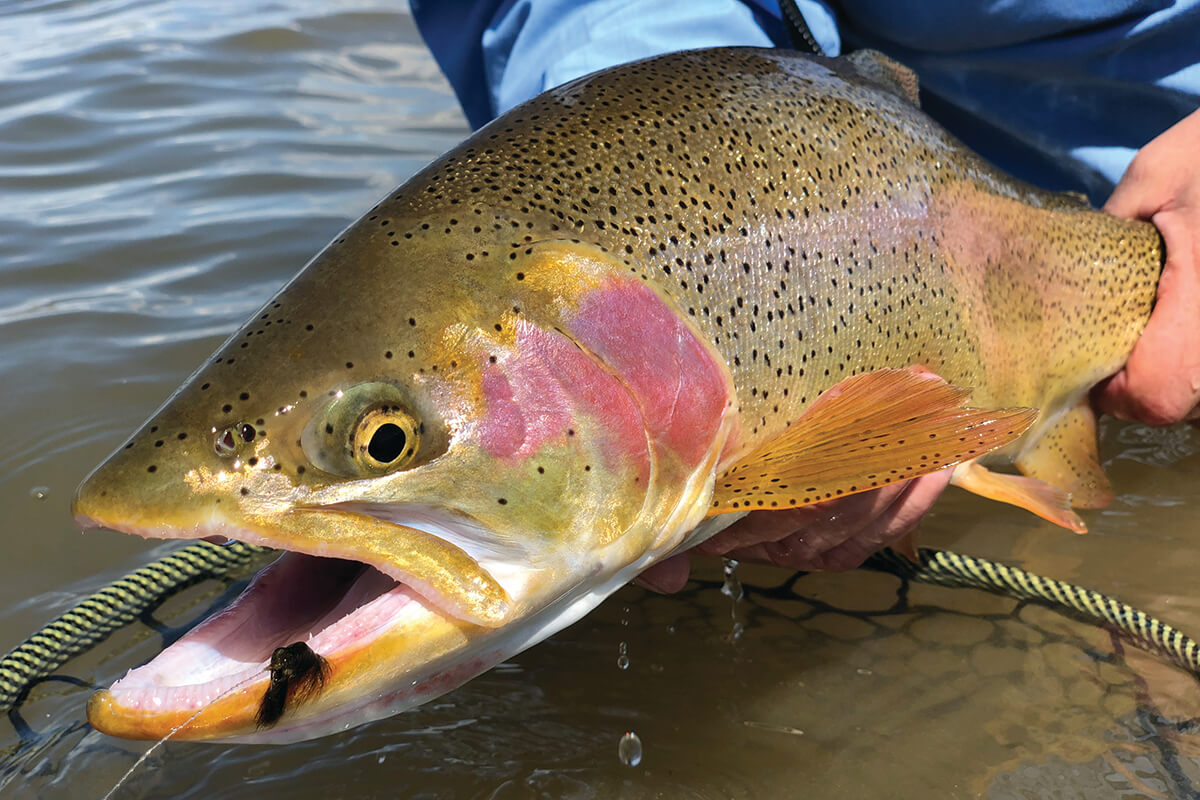
- ✦ Walleye
Use a leech on a jig or slip bobber near rocky areas and drop-offs.
- ✦ Bass
Present leeches near vegetation, docks, and structure.
- ✦ Trout
Use smaller leeches in deeper pools and cooler water.
Best Times and Places to Fish with Leeches
Leeches work throughout the fishing season, but many anglers find them especially effective from late spring through early fall. During warmer months, fish often feed heavily around weeds and structure where leeches naturally live.
When deciding how to fish with leeches, focus on finding areas where fish expect to find food. Look for weed edges, rocky points, drop-offs, and sheltered areas.
- ✦ Morning and evening
Low-light periods often increase fish activity.
- ✦ Weed lines
Many predator fish search these areas for prey.
- ✦ Deep water transitions
Drop-offs can hold larger fish during changing conditions.
Tips to Improve Your Success When Fishing with Leeches
Small adjustments can greatly improve your results. Experienced anglers pay attention to bait movement, water depth, and fish behavior instead of simply dropping a bait into the water.
One lesson many anglers learn is patience. A live leech often works best when presented slowly and naturally.
- ✦ Keep your bait lively
Replace damaged leeches to maintain natural movement.
- ✦ Match hook size
Use a hook that fits the leech without limiting movement.
- ✦ Watch fish behavior
Adjust depth and speed when fish are not responding.
Frequently Asked Questions about how to fish with leeches

fishingscouty
Contributor