Learning how to fish with insects can change the way you approach freshwater fishing. Many fish species naturally eat insects that fall into streams, rivers, ponds, and lakes. Matching this natural food source often creates a more realistic presentation than using artificial bait alone.
Experienced anglers in the United States have used insects for generations to catch trout, bass, panfish, and other species. From grasshoppers on warm summer days to mayfly patterns during a hatch, insects can help you connect with fish when other methods fail.

Why Insects Are Effective Fishing Baits
Insects work well because they are part of a fish’s natural diet. Fish do not need much time to decide if a familiar insect looks like food. A correctly presented insect can trigger a quick feeding response.
When learning how to fish with insects, the main goal is imitation. Your bait should move, float, or sink in a way that looks natural. Fish often notice unusual movement, so a gentle presentation is usually better than aggressive action.
- ✦ Natural food source
Many freshwater fish already recognize insects as a safe and common meal.
- ✦ Works in many seasons
Different insects appear throughout the year, giving anglers options in different conditions.
- ✦ Simple equipment
Most insect fishing methods require basic hooks, line, and light tackle.
The Best Insects to Use for Fishing
The best insect bait depends on where you fish and what species you want to catch. Local insects are often the most effective because fish in that area already feed on them.
Before collecting insects, check local fishing regulations. Some areas limit the use of live bait or restrict the collection of certain species.
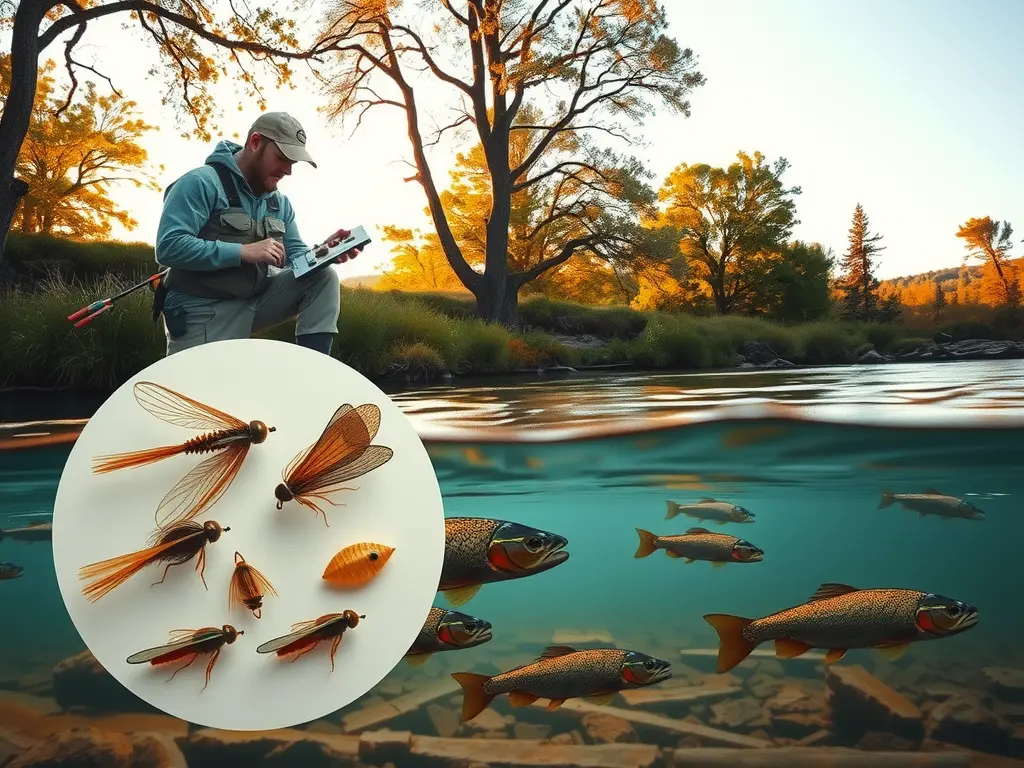
- ✦ Grasshoppers and crickets
These are excellent summer baits for trout, bass, and panfish because they often fall into the water near shorelines.
- ✦ Mayflies and caddisflies
These aquatic insects are important food sources for trout and are commonly copied with fly fishing patterns.
- ✦ Beetles and ants
Small terrestrial insects can work well when fish feed near the surface.
- ✦ Dragonflies and larvae
Their underwater stages can attract fish that hunt below the surface.
Choosing Insects Based on Fish Species
Trout often respond well to aquatic insects because they spend much of their time feeding in rivers and streams. Bass may prefer larger insects like grasshoppers because they create visible surface movement.
Small fish such as bluegill and crappie commonly attack tiny insects. Matching the size of the bait to the fish mouth can improve your results.
- ✦ Trout
Use mayflies, caddisflies, stoneflies, and realistic artificial insect flies.
- ✦ Bass
Try larger insects like grasshoppers, crickets, and surface insect lures.
How to Hook Insects for Fishing
Correct hook placement is one of the most important parts of learning how to fish with insects. A poorly hooked insect may look unnatural or die too quickly.
The goal is to keep the insect alive when using live bait and allow it to move naturally. Light hooks and thin line often produce better results because they reduce resistance.

- ✦ Hook through the body carefully
Place the hook through stronger body areas while avoiding major damage to the insect.
- ✦ Match hook size
Use a hook size that fits the insect instead of overpowering small bait.
- ✦ Keep natural movement
Avoid attaching the hook in ways that stop the insect from moving naturally.
Using Artificial Insect Lures
Artificial insect lures are popular because they are reusable and easy to store. They imitate insects without needing live bait collection.
Fly anglers often use dry flies, terrestrial patterns, and insect imitations to copy natural insects on the water surface.
- ✦ Dry flies
Designed to float and imitate insects resting on the water.
- ✦ Terrestrial flies
Designed to copy land insects like ants, beetles, and grasshoppers.
How to Fish With Insects in Different Water Conditions
Water conditions change how fish feed. Insects may work best during warm months when land insects become active or during insect hatches when aquatic insects rise to the surface.
Understanding the environment is a major part of how to fish with insects successfully. Watch the water, look for insect activity, and adjust your presentation.

- ✦ Still water fishing
Use insects near weed beds, docks, and shoreline areas where fish search for food.
- ✦ River fishing
Present insects naturally with the current to imitate drifting food.
- ✦ Warm weather fishing
Surface insects often become more effective during summer evenings.
Common Mistakes When Fishing With Insects
Many beginners make simple mistakes when using insect bait. The most common problem is presenting the bait in a way that looks unnatural.
Successful anglers focus on patience. Fish may inspect an insect before striking, so sudden movements can scare them away.
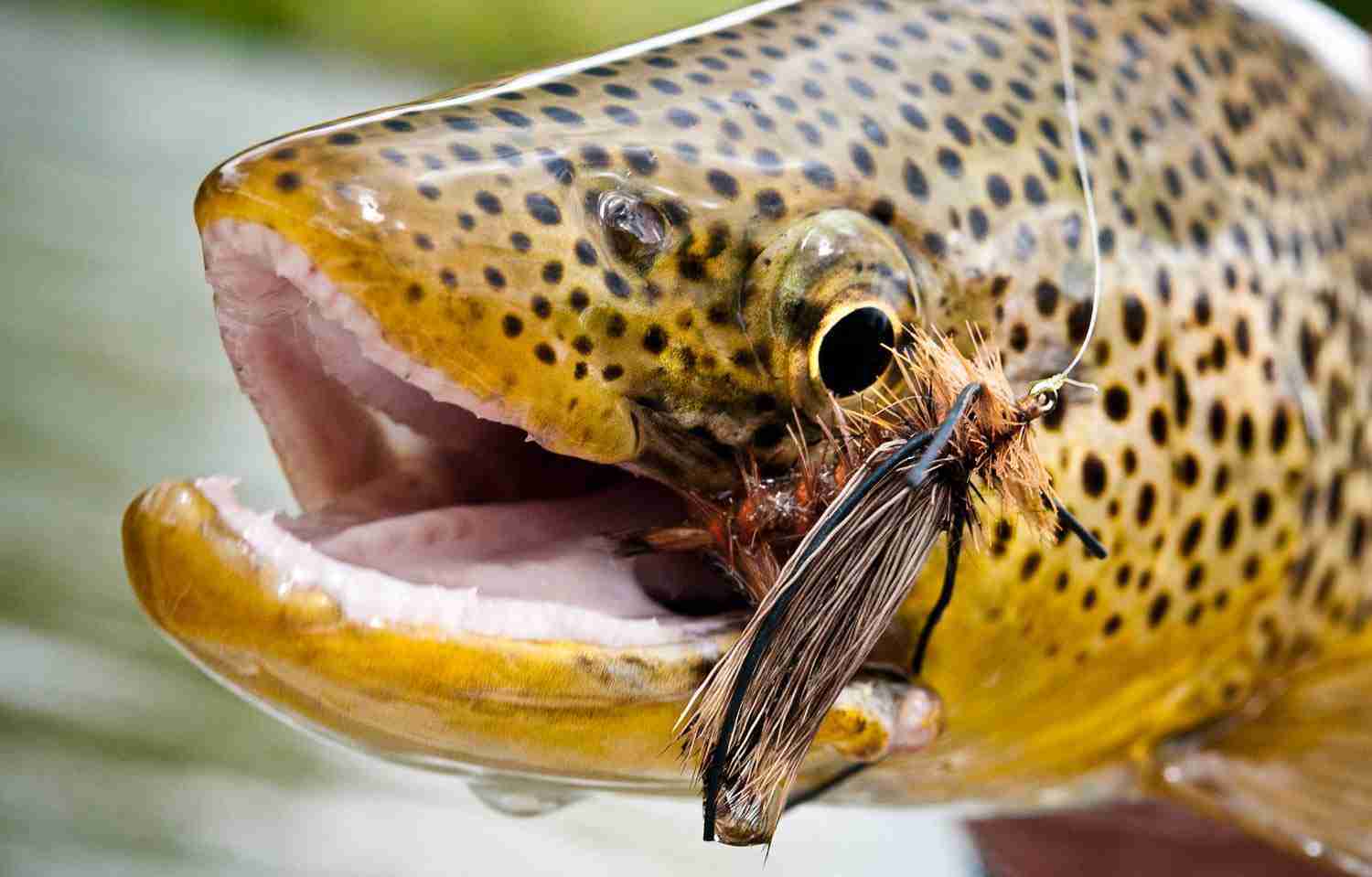
- ✦ Using the wrong insect size
Large insects may scare smaller fish, while tiny insects may not attract larger species.
- ✦ Moving the bait too much
Natural insects often drift or move slowly, so avoid excessive action.
- ✦ Ignoring local conditions
The insects fish eat can change based on location and season.
Frequently Asked Questions about how to fish with insects

fishingscouty
Contributor