Learning how to fish a tube lure is one of the most useful skills for freshwater anglers in the United States. Tube baits have a simple design, but they can imitate many types of prey. They are popular for catching largemouth bass, smallmouth bass, spotted bass, and other game fish.
Over the years, many anglers have found that a tube lure shines when fish become cautious. A slow, natural presentation often works when faster lures fail. The key is understanding how the bait moves, where to cast it, and how to match your setup to the conditions.

What Is a Tube Lure and Why Does It Work?
A tube lure is a hollow soft plastic bait with a rounded body and many small tentacle-like tails. These tails move in the water and create a lifelike action that attracts fish.
Tube lures work because they can copy different prey. When moved across rocks, they look like a crawfish. When slowly falling, they can resemble a dying baitfish. This makes them useful in many fishing situations.
- ✦ Natural movement
The thin tentacles move with small water currents and create a realistic appearance.
- ✦ Versatile design
Anglers can rig tube baits in different ways for shallow water, deep water, and heavy cover.
- ✦ Fish-friendly profile
The compact shape is easy for bass and other predators to inhale.
Common Fish Caught With Tube Lures
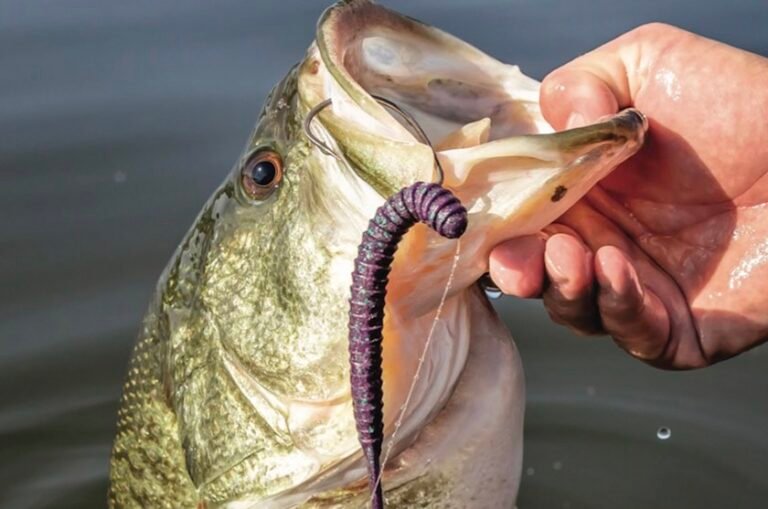
Bass are the main target for tube lure fishing, especially largemouth and smallmouth bass. Many anglers also use tubes for species such as walleye, pike, and panfish.
Because tube lures can be presented slowly, they are effective when fish are pressured or when water temperatures change.
- ✦ Largemouth bass
Works well around grass, docks, wood, and shallow cover.
- ✦ Smallmouth bass
Excellent around rocky bottoms, points, and clear lakes.
How to Rig a Tube Lure for Fishing
Choosing the right rig is a major part of learning how to fish a tube lure. Different rigs change the bait’s fall speed, movement, and ability to move through cover.
The most common setups include jig head rigs, Texas rigs, and internal weighted tube rigs. Each style has a purpose and works best in different conditions.

- ✦ Jig head rig
Insert a jig head into the tube body or attach it externally. This setup gives the lure a natural spiraling fall.
- ✦ Texas rig
Use a hook and weight to make the tube weedless. This is ideal around grass, brush, and wood.
- ✦ Internal weight rig
Place weight inside the hollow body for a balanced look and realistic movement.
Step-by-Step Tube Lure Setup
Start by choosing a tube size that matches the local bait. Smaller tubes work well in clear water, while larger tubes create more vibration in stained water.
Attach the hook carefully and make sure the point sits straight. A crooked hook can reduce movement and cause missed bites.
- ✦ Select the right hook
Choose a hook size that matches the tube length and fishing style.
- ✦ Check the action
Test the bait near the boat to make sure it falls naturally.
Best Techniques for How to Fish a Tube Lure
The best answer to how to fish a tube lure depends on where fish are holding. In most cases, a slow presentation works better than a fast retrieve.
Tube lures are famous for bottom fishing. Anglers often let the bait touch rocks or cover, then use small movements to create a natural action.

- ✦ Drag and pause method
Pull the tube slowly across the bottom, then pause to let fish approach.
- ✦ Hop technique
Lift the rod tip slightly to make the tube jump like a small creature.
- ✦ Deadstick method
Leave the tube still for several seconds when fish are inactive.
Fishing a Tube Lure Around Cover
Bass often hide near objects that provide protection and food opportunities. Cast tube lures near docks, rocks, stumps, and vegetation.
Move slowly around cover because many bites happen while the lure is sitting still.
- ✦ Rocky areas
Smallmouth bass often relate to rocky bottoms where tubes imitate crawfish.
- ✦ Vegetation
Texas-rigged tubes can move through grass without getting stuck.
Choosing the Right Tube Lure Color and Size
Color selection plays an important role when learning how to fish a tube lure. The best choice depends on water clarity, weather, and the type of prey fish are eating.
Natural colors are usually a safe starting point. Dark colors create a strong silhouette, while bright colors help fish find the bait in dirty water.

- ✦ Green pumpkin
A popular choice because it matches many natural freshwater prey items.
- ✦ Black and blue
Useful in stained water and low-light conditions.
- ✦ White or pearl
Good for imitating baitfish.
Matching Tube Size to Conditions
Use smaller tubes when fish are pressured or feeding on small prey. Larger tubes can attract bigger fish and create more movement.
A common approach is to start with a medium-size tube and adjust based on fish response.
- ✦ Clear water
Use natural colors and smaller profiles.
- ✦ Dirty water
Use larger profiles with darker or brighter colors.
Best Rod, Reel, and Line Setup for Tube Fishing
A balanced fishing setup helps you feel light bites and control the tube lure. Most anglers use a medium or medium-heavy spinning or baitcasting setup.
Line choice depends on cover and water clarity. Lighter lines help with natural movement, while heavier lines provide strength around cover.
- ✦ Rod
A medium or medium-heavy rod provides enough power for bass fishing.
- ✦ Reel
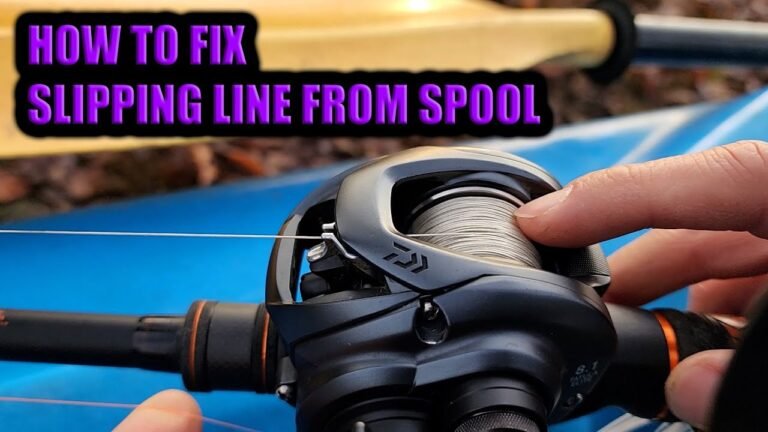
A quality reel with a smooth drag helps control strong fish.
- ✦ Line
Fluorocarbon works well for sensitivity, while braided line helps around heavy cover.
Detecting Tube Lure Bites
Many tube lure bites feel small. You may notice a tap, extra weight, or the line moving sideways.
Keep your line slightly tight and watch for changes. A calm approach helps you catch more fish.
- ✦ Watch the line
Line movement can reveal bites before you feel them.
- ✦ Set the hook firmly
Use controlled pressure to drive the hook into the fish.
When and Where to Fish Tube Lures
Tube lures can catch fish throughout the year, but they are especially effective during times when fish feed close to the bottom.
Spring and fall often provide excellent opportunities because bass are active and move between shallow and deep areas.

- ✦ Spring fishing
Target shallow areas where bass search for food and prepare for spawning.
- ✦ Summer fishing
Fish deeper structures where bass escape heat.
- ✦ Fall fishing
Use tubes near baitfish areas and rocky structures.
Common Mistakes Beginners Make
Many new anglers move tube lures too quickly. The bait is designed to look natural, so patience is important.
Another mistake is choosing the wrong rig for the area. A weedless setup is better around thick cover, while an open hook works well on clean bottoms.
- ✦ Too fast retrieval
Slow down to give fish time to react.
- ✦ Poor rig choice
Match your setup to the fishing environment.
Frequently Asked Questions about how to fish a tube lure

fishingscouty
Contributor