Understanding how baitfish behavior changes with seasons is one of the most useful skills for anglers in the United States. Small fish such as shad, minnows, herring, and anchovies react to water temperature, food supply, spawning cycles, and predator pressure throughout the year.
After years of watching seasonal fishing patterns, experienced anglers know that finding baitfish often means finding larger game fish nearby. Predators follow bait because it provides an easy source of energy. When baitfish move, the entire food chain shifts with them.

Why baitfish behavior changes throughout the year
Baitfish are highly sensitive to changes in their environment. Water temperature, oxygen levels, sunlight, and available food all affect where they swim and how they survive.
The way baitfish behavior changes with seasons follows a simple pattern. They move to areas that provide better feeding opportunities, safer shelter, and the right conditions for reproduction.

- ✦ Water temperature
Cold and warm water changes baitfish metabolism, causing changes in feeding activity and movement speed.
- ✦ Food availability
Baitfish follow plankton, insects, and small organisms that become more common in certain seasons.
- ✦ Predator pressure
Baitfish form schools and change locations to reduce the risk of being eaten.
The role of seasons in baitfish survival
Each season creates different challenges for small fish. They must balance finding food with avoiding predators.
These survival changes explain why anglers cannot use the same baitfish strategy all year.
- ✦ Seasonal adaptation
Baitfish adjust their depth, speed, and schooling patterns based on changing conditions.
How baitfish behavior changes during spring
Spring is a major transition period for baitfish. As water temperatures rise, many species become more active after spending colder months in slower conditions.
During spring, baitfish often move into shallow areas because warmer water increases food growth. These locations also provide better spawning areas for many species.
Learning how baitfish behavior changes with seasons during spring helps anglers locate active predator fish near shallow flats, weed edges, and spawning zones.

- ✦ Move toward shallow water
Baitfish often leave deep winter areas and enter warmer shallow zones.
- ✦ Increased feeding
Rising temperatures increase activity and create stronger feeding patterns.
Spring spawning influence
Spawning plays a major role in spring baitfish movement. Many species gather in specific areas where eggs can survive.
Predatory fish often follow these gatherings because baitfish become easier to locate and catch.
- ✦ Spawning areas
Look for protected bays, vegetation, and shallow structures where baitfish gather.
Summer baitfish patterns and warm water behavior
Summer brings warmer water and higher baitfish activity. However, very warm conditions can also reduce oxygen levels and force baitfish to change locations.
During hot months, baitfish often seek cooler water, shade, and areas with better oxygen. They may move deeper during the day and return to shallow areas during low-light periods.
The way baitfish behavior changes with seasons becomes clear in summer because temperature has a strong effect on movement and feeding.

- ✦ Deep water movement
Baitfish may move deeper to escape extreme heat and find stable conditions.
- ✦ Low-light activity
Early morning and evening often produce stronger baitfish movement.
Summer schooling behavior
Many baitfish form larger schools during summer. Schools provide protection and help fish find food more efficiently.
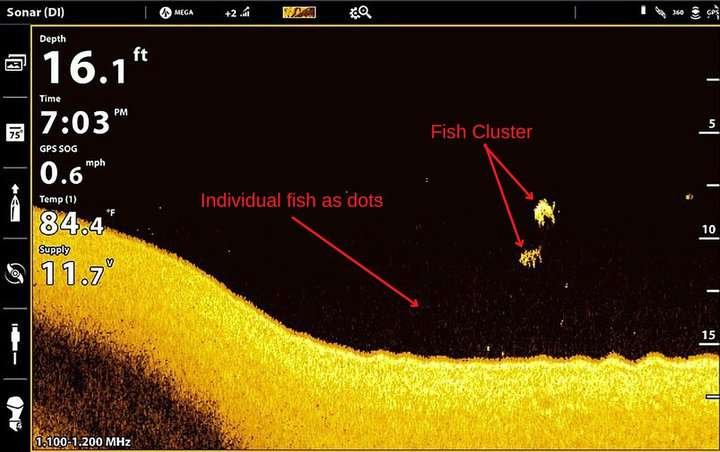
Anglers often use electronics to locate these schools because baitfish may suspend away from visible structures.
- ✦ School detection
Finding bait schools can reveal nearby predator locations.
Fall baitfish migration and increased feeding activity
Fall creates one of the most noticeable baitfish movements of the year. Cooling water signals baitfish to prepare for winter by increasing feeding activity.
Many baitfish migrate toward areas with abundant food. Predators often follow these migrations because baitfish become concentrated in predictable locations.
Understanding how baitfish behavior changes with seasons in fall can help anglers find active fish near shorelines, points, and moving water.

- ✦ Migration patterns
Cooling temperatures encourage baitfish to move between summer and winter habitats.
- ✦ Heavy feeding
Baitfish often feed aggressively before colder conditions arrive.
Why fall is a key fishing season
Fall baitfish movements create strong predator activity. Bass, striped bass, trout, and other game fish often respond quickly to these changes.
Matching bait size and location during fall can improve fishing success.
- ✦ Follow the bait
Where baitfish gather, predators are often close behind.
Winter baitfish behavior in cold water
Winter slows many baitfish species because cold water reduces their metabolism. They use less energy and often move less than during warmer months.
Baitfish commonly gather in deeper areas where temperatures remain more stable. They may form tight schools for protection and survival.
Knowing how baitfish behavior changes with seasons during winter helps anglers adjust expectations and search deeper habitats.

- ✦ Reduced movement
Cold conditions make baitfish less active and slower to react.
- ✦ Stable habitats
Deep water areas often provide safer winter conditions.
Winter feeding patterns
Although activity decreases, baitfish still need food. They often feed during warmer parts of the day when conditions improve.
Small changes in temperature can create short periods of increased movement.
- ✦ Short feeding windows
Warmer afternoons can create temporary baitfish activity.
How anglers can use seasonal baitfish behavior
Successful anglers study baitfish before choosing locations, lures, or techniques. The goal is to understand where baitfish should be during each season.
The best approach is to observe water conditions and adjust quickly. Baitfish behavior can change after weather shifts, temperature changes, or changes in food sources.
- ✦ Watch the water
Look for bait movement, surface activity, and signs of feeding predators.
- ✦ Match natural patterns
Use lures and bait that imitate local baitfish size and movement.
Frequently Asked Questions about how baitfish behavior changes with seasons

fishingscouty
Contributor