When people ask how drought changes fish habitat, the simple answer is that less water creates major changes throughout an aquatic ecosystem. Rivers become smaller, lakes lose shallow areas, and fish must adjust to warmer and more crowded conditions.
From my experience studying fishing conditions and aquatic environments, I have seen that water level changes often matter as much as weather changes. A drought does not only remove water. It changes where fish can hide, feed, reproduce, and survive.
Across the United States, drought affects popular fishing waters from western reservoirs to southern rivers. Anglers often notice fish moving deeper, becoming less active, or gathering near the few remaining areas with good oxygen and cover.

How drought reduces available fish habitat
The first major way drought changes fish habitat is by reducing the amount of usable water. Streams become narrow, ponds shrink, and large lakes may lose important shoreline zones.
Fish need different habitats during their lives. Young fish may need shallow areas with plants, while adult fish often need deeper water. When drought removes these areas, survival becomes harder.

- ✦ Smaller living spaces
Lower water levels reduce the total area where fish can swim, hide, and search for food.
- ✦ Loss of protective cover
Drought can expose plants, rocks, and underwater structures that once provided shelter from predators.
- ✦ Disconnected habitats
Low streams may separate pools and prevent fish from reaching feeding or spawning areas.
Why shallow water becomes risky for fish
Shallow water heats faster under sunlight. Many fish species depend on stable temperatures, so sudden warming can increase stress and reduce feeding activity.
How drought changes water quality for fish
Water quality is one of the biggest reasons how drought changes fish habitat. When water levels drop, pollutants become more concentrated and natural water conditions can shift quickly.
Warm water holds less dissolved oxygen than cold water. Fish that need high oxygen levels may become stressed, leave the area, or experience higher mortality during severe drought.

- ✦ Lower oxygen levels
Warm, shallow water can reduce oxygen availability and make survival difficult for sensitive fish species.
- ✦ Higher algae growth
Slow-moving water can encourage algae blooms that affect oxygen levels and water health.
- ✦ More concentrated pollution
Less water means chemicals and waste can have stronger effects on aquatic life.
Temperature stress during drought
Many fish species have a preferred temperature range. During drought, warmer water can force fish to move toward deeper areas, springs, or shaded sections of rivers.
How drought affects fish movement and behavior
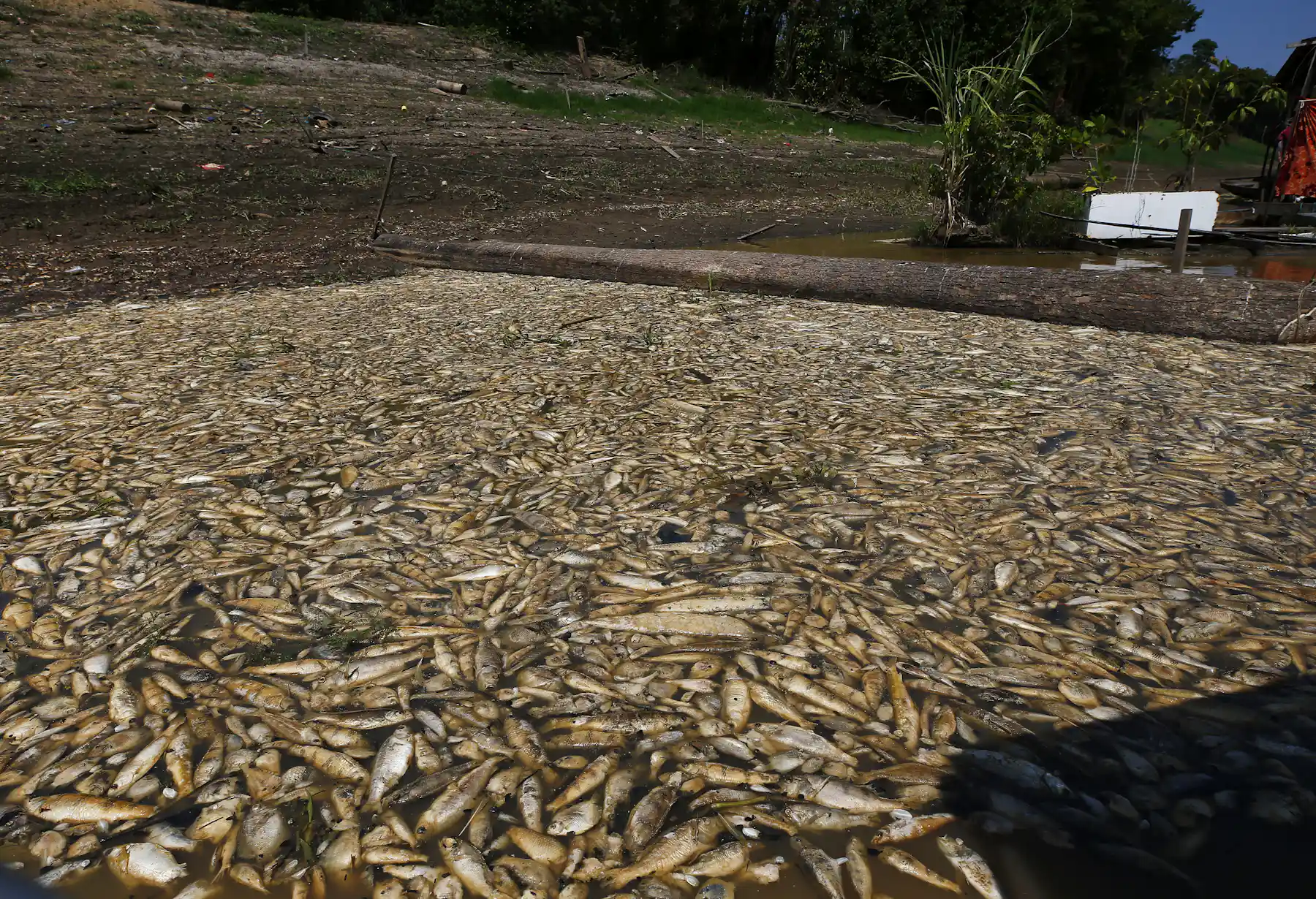
Fish respond to drought by changing their movement patterns. They often search for deeper pools, cooler water, and areas with more oxygen.
For anglers, understanding how drought changes fish habitat can explain why normal fishing spots suddenly stop producing. Fish may leave traditional locations and gather in smaller zones with better conditions.
- ✦ Moving to deeper water
Fish often seek deeper sections because these areas stay cooler and provide more stable conditions.
- ✦ Changing feeding patterns
Stress from drought can reduce feeding activity and make fish less predictable.
- ✦ Seeking shelter
Fish may gather near logs, rocks, vegetation, or shaded areas that provide protection.
Effects on spawning behavior
Many fish rely on certain water levels and flows for reproduction. Drought can reduce access to spawning grounds and lower the success of young fish survival.
How drought impacts fish food sources
Food availability changes when drought alters fish habitat. Lower water levels can reduce insects, plants, and small organisms that support the food chain.
A healthy fish population depends on a balanced ecosystem. When small organisms decline, larger fish may have less energy and slower growth.
- ✦ Fewer aquatic insects
Reduced water areas can limit insect production, which many freshwater fish rely on.
- ✦ Changes in vegetation
Loss of underwater plants removes both food sources and hiding places.
- ✦ Reduced prey availability
Small fish and other prey species may decline, affecting larger predators.
How drought affects different freshwater habitats
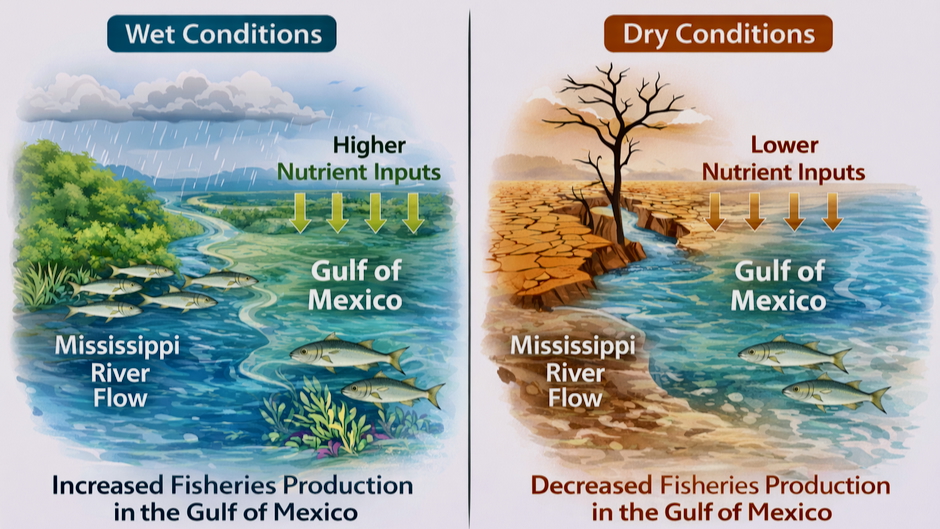
The impact of drought depends on the type of water system. Rivers, lakes, reservoirs, and wetlands all respond differently when rainfall decreases.
Understanding these differences helps anglers and conservation teams predict where fish may survive during dry periods.
- ✦ Rivers and streams
Flow reduction can isolate fish populations and remove important migration paths.
- ✦ Lakes and reservoirs
Falling water levels can reduce shoreline habitat and change fish locations.
- ✦ Wetlands
Drying wetlands can remove important nursery areas for young fish.
How fish populations recover after drought
Fish populations can recover when normal rainfall returns, but recovery may take months or years. The speed depends on habitat quality, species type, and the severity of the drought.
Conservation actions can help improve recovery. Protecting cold water areas, restoring habitats, and managing water use all support healthier fish populations.

- ✦ Restoring habitat
Adding cover and protecting important areas can help fish rebuild populations.
- ✦ Managing water resources
Careful water planning can maintain better conditions during dry periods.
- ✦ Monitoring fish health
Regular surveys help scientists understand drought effects and plan solutions.
Frequently Asked Questions about how drought changes fish habitat

fishingscouty
Contributor