Braided line is highly effective for saltwater fishing when matched to the right rod, reel, and leader.
I’ve fished saltwater for over a decade and tested braided line across flats, reefs, and open water. This article answers the core question — is braided line effective for saltwater fishing — with practical tips, clear trade-offs, and gear choices that help you win more bites. Read on to learn when braid is the best choice, how to rig it, and mistakes to avoid.
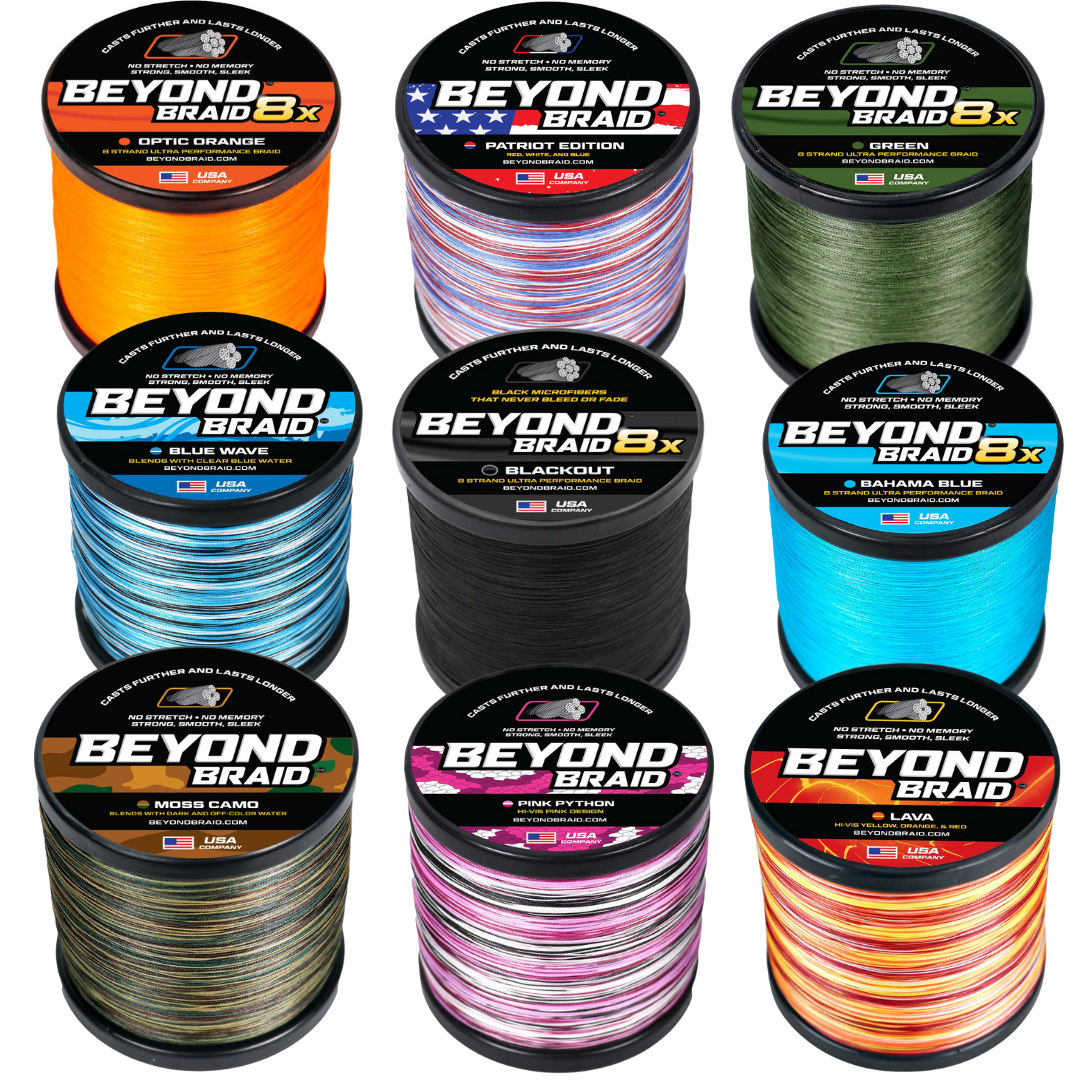
How braided line works in saltwater
Braided line uses woven synthetic fibers. It has almost no stretch and a small diameter for its strength. That low stretch gives you instant hooksets and better feel for subtle bites.
A key question anglers ask is: is braided line effective for saltwater fishing when targeting fast, strong fish? Yes, braid often outperforms monofilament when you need sensitivity and backbone to control big fish. Use a leader to handle abrasion and UV issues.
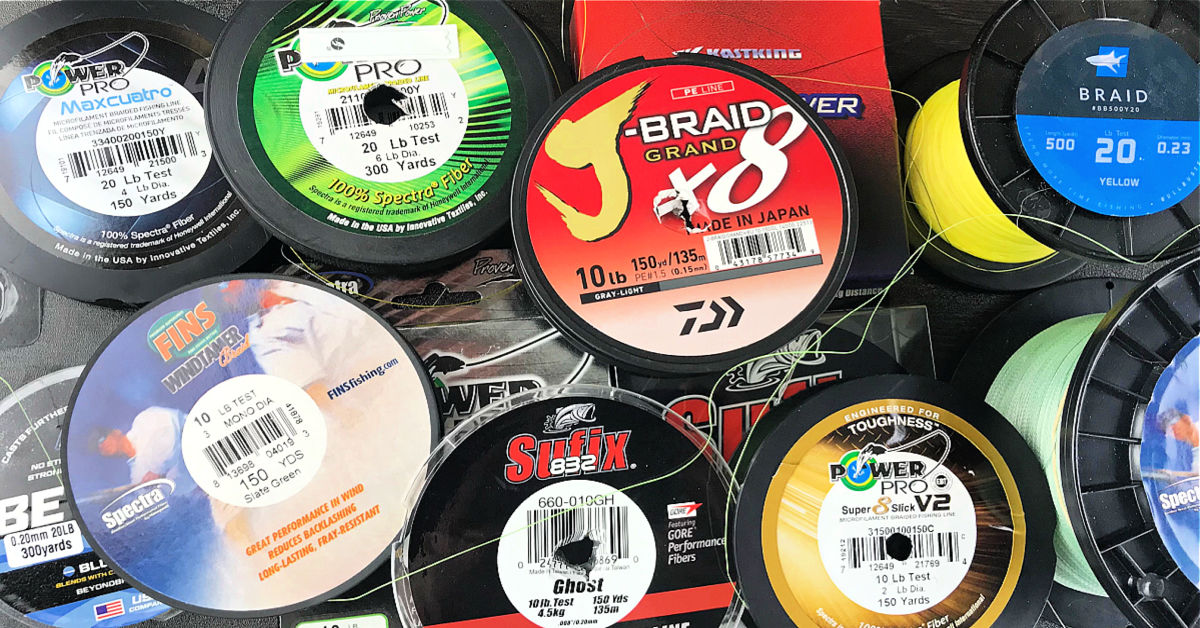
Benefits of braided line for saltwater fishing
Braid shines in several areas. Each benefit below explains why many anglers choose braid.
- Sensitivity: You feel subtle taps, follows, and structure contact instantly because braid has near-zero stretch.
- Strength-to-diameter: A thinner line lets you spool more yards. That helps when fish make long runs offshore.
- Casting distance: Thin diameter and low wind-resistance let lures fly farther and deeper.
- Durability under load: Braid resists shock from heavy runs if paired with the right rod and drag.
- Longevity: With proper care braid lasts a long time and resists fatigue.
If you ask again, is braided line effective for saltwater fishing for species like redfish, snook, or tuna? Yes, in many cases braid improves hook-up rates and control.
Limitations and concerns to know
Braid is not perfect. It has trade-offs you must manage.
- Abrasion sensitivity: Braid can be cut by sharp rocks, barnacles, and teeth. Use a leader for protection.
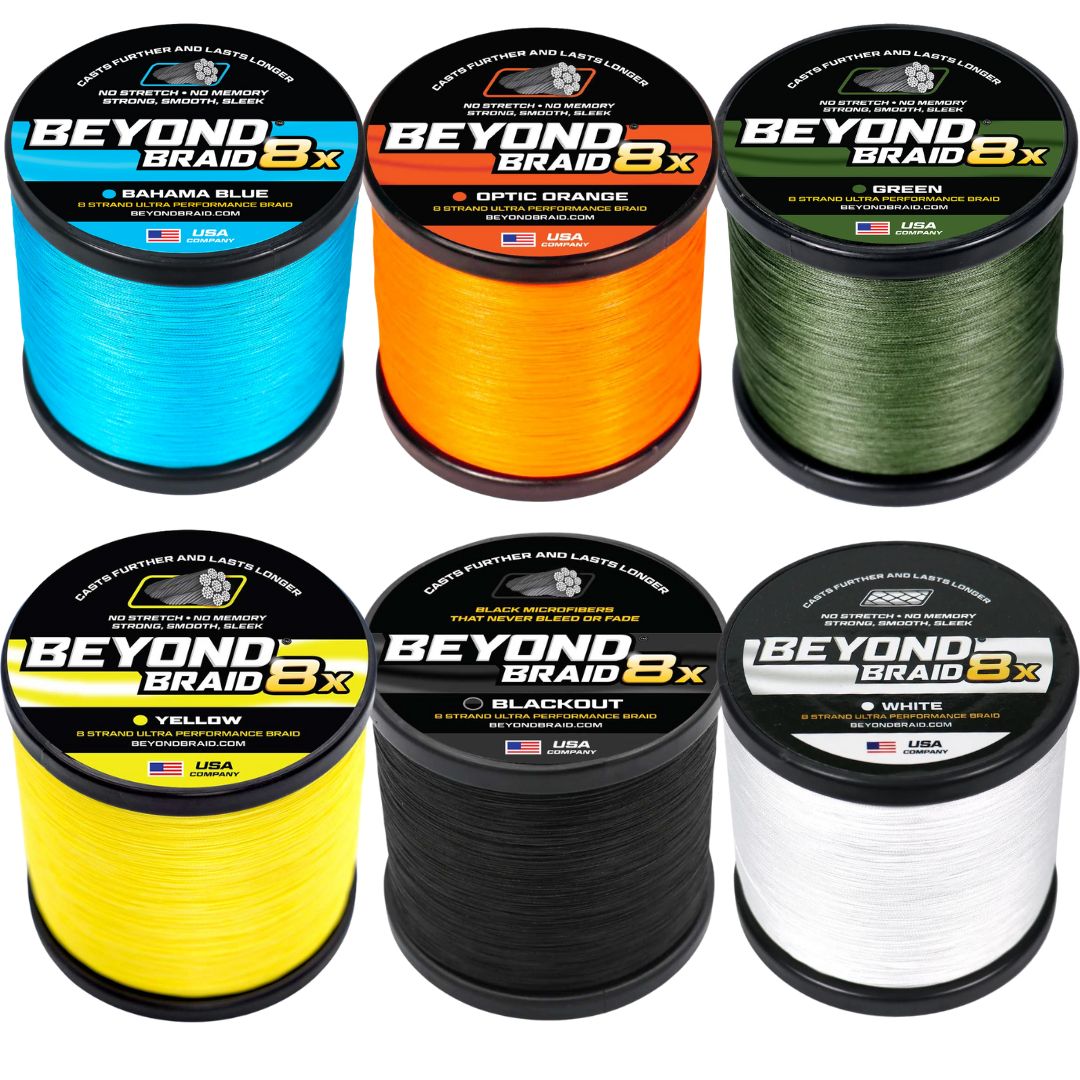
- Visibility: Braid is more visible underwater. Match color to conditions or use a fluorocarbon leader.
- Knot security: Some knots slip on braid. Use knots that suit braid or add a small loop to attach leaders.
- Drag tuning: Low-stretch braid transmits all pressure to the drag. Tune your drag to avoid snapped hooks or lines.
- UV and wear: Over time braid degrades in sun and from friction. Inspect often.
When anglers ask whether is braided line effective for saltwater fishing despite these limits, the honest answer is yes, if you accept and manage the trade-offs.
Choosing the right braid and leader
Pick braid by test strength, diameter, and brand consistency. Here’s a checklist.
- Match test to fish size: Use 20–50 lb braid for inshore work and 50–100+ lb for big offshore species.
- Diameter matters: Thinner line spools more and casts better. Thicker braid gives abrasion resistance.
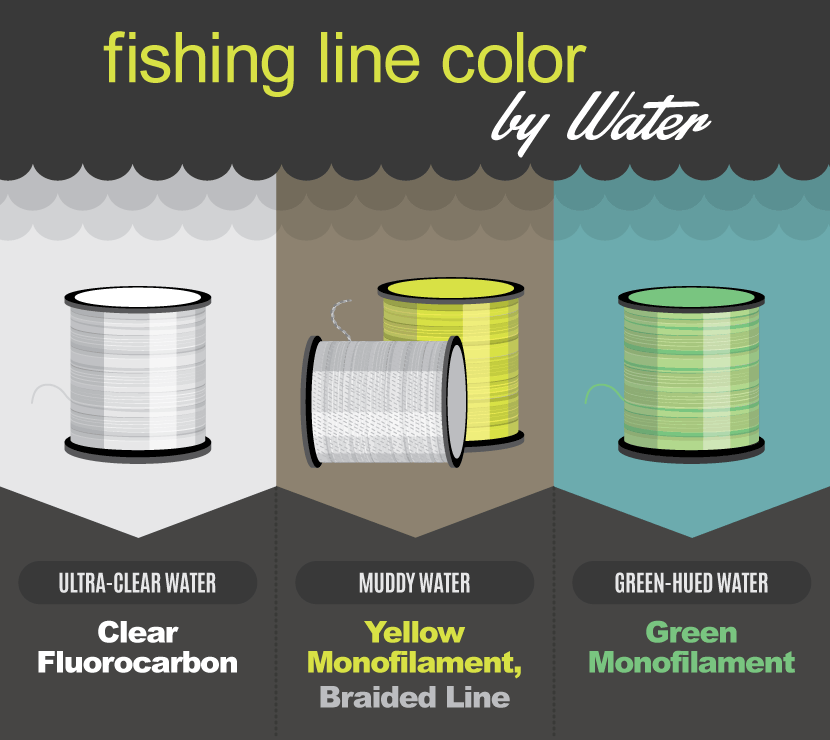
- Color choice: Low-visibility colors like gray or moss help in clear water. Bright colors help you track line on the reel.
- Leader material: Use 20–100 lb fluorocarbon or monofilament leaders depending on species and structure.
- Leader length: 2–6 feet for inshore, 10–20+ feet for toothy or abrasive environments.
Many anglers repeat the search phrase is braided line effective for saltwater fishing when they buy gear. The right braid and leader combo is the main factor that determines effectiveness.
Rigging, knots, and tackle setup
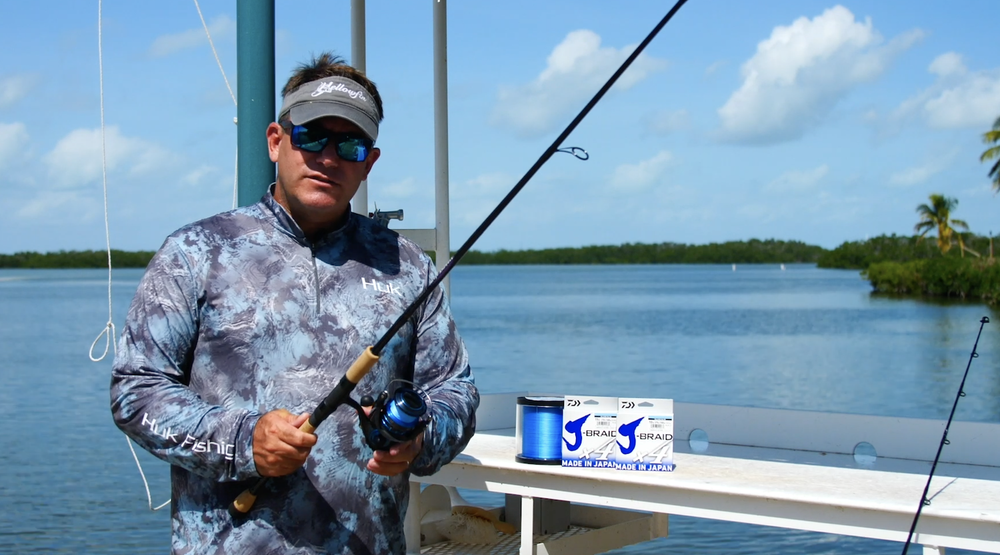
Use knots that hold on slippery braid. I prefer a uni-to-uni or a double uni for leader-to-braid joins. For direct braid-to-hook connections, use a Palomar or a double uni depending on hook size.
- Spooling: Apply even tension while spooling. Leave a backing layer of braid for smooth winding.
- Drag settings: Set the drag gradually. Braid needs consistent pressure to avoid sudden breaks.
- Rod/reel pairing: Choose a reel with a smooth drag and a rod with enough backbone. Light rods and braid can lead to pulled hooks.
- Leaders and shock: Add a fluorocarbon or mono shock leader when fishing heavy structure or toothy species.
Try different setups on a local trip and ask yourself is braided line effective for saltwater fishing in each scenario. You will notice the difference quickly in hookup and control.
Maintenance and care tips
Simple care extends braid life and performance. Rinse lines with fresh water after each saltwater trip. Dry spools before storage to prevent hidden corrosion on hooks or swivels.
- Inspect regularly: Look for frays, faded spots, or hard beads that mean replacement.
- Re-spool annually: Heavy anglers should re-spool more often. Old braid loses strength.
- Protect from sun: Store reels away from direct sunlight. UV weakens synthetic fibers over time.
- Replace after abrasion: If line fades or you see broken fibers, cut off the end or replace the spool.
If you still wonder is braided line effective for saltwater fishing after long use, maintenance is the key difference between success and failure.
Practical examples and scenarios
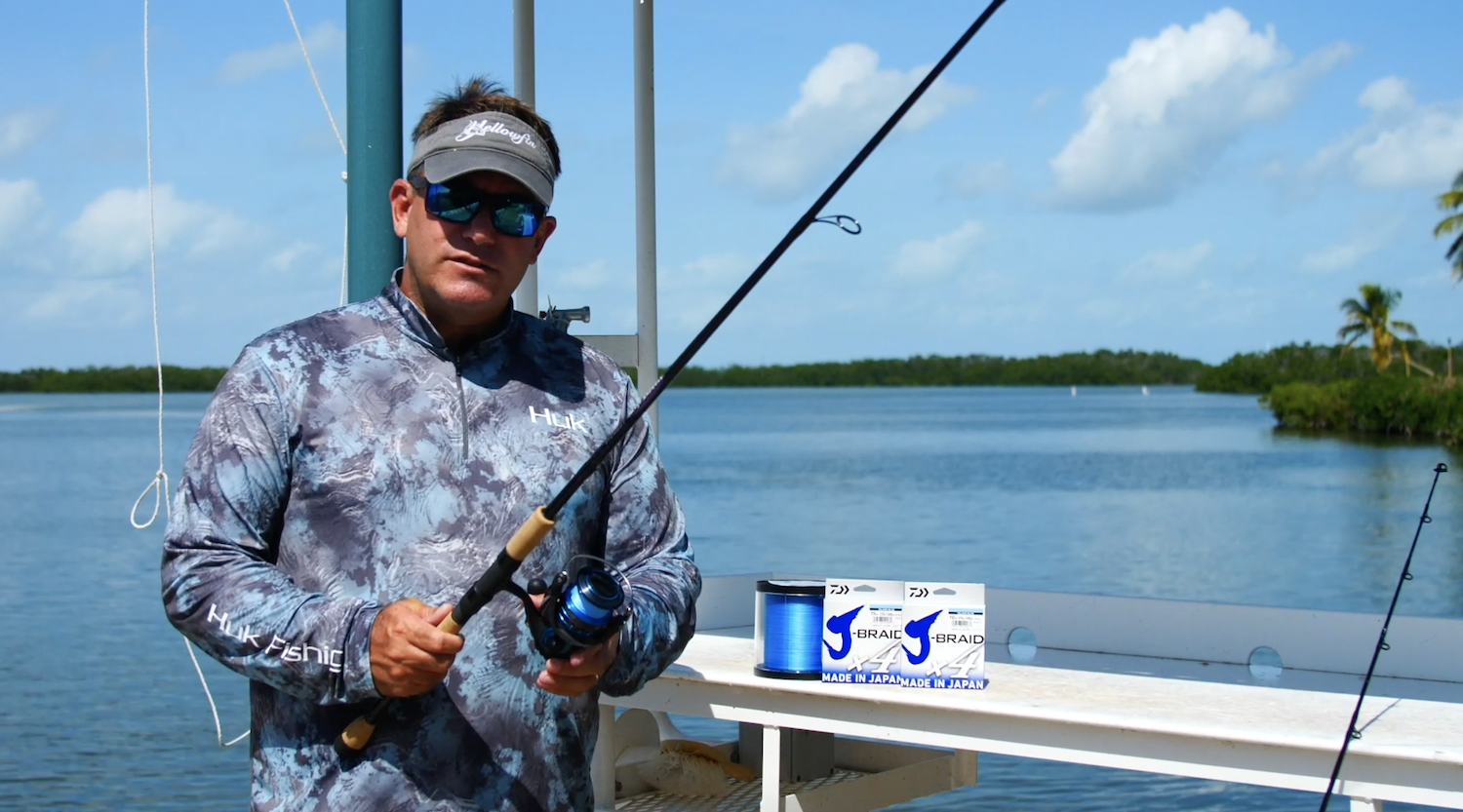
Below are common saltwater situations and braid recommendations.
- Inshore flats for snook or redfish: Use 20–30 lb braid with a 20–40 lb fluorocarbon leader for stealth and control. Braid helps detect light takes on topwater and shallow rigs.
- Nearshore reefs for grouper: Use 50–80 lb braid with a long, heavy leader to fight through structure. Braid’s low stretch gives instant hookset power.
- Offshore for tuna or billfish: Use 80–200 lb braid depending on the species and leader system. Braid gives depth and strength for long runs.
- Around wrecks with sharp edges: Use heavy leader and shock tippet. Braid alone can cut on sharp metal or rock.
These examples show when the question is braided line effective for saltwater fishing becomes a clear yes or a careful maybe, depending on setup.

My field experience: lessons and mistakes
I’ve swapped between braid and mono across seasons. Early on I used braid without a leader and lost fish to abrasion. That was a hard lesson. Now I use braid with leaders and tune drag aggressively.
Two useful insights I learned:
- Always match leader strength to the structure and teeth of the fish.
- Use a slightly softer rod tip when fishing light baits on braid to prevent ripped hooks.
When people ask me directly is braided line effective for saltwater fishing, I draw from these lessons. Proper setup turns braid into a clear advantage.
Common PAA-style questions
Q: Will braided line corrode my reel?
A: Braided line itself does not corrode reels. Saltwater can cause reel corrosion, so rinse reels and remove line sometimes to check for hidden damage.
Q: Can I use braided line without a leader?
A: You can, but it is not recommended around abrasive structure or toothy fish. A leader protects against cuts and hides the visible braid from fish.
Q: Does braid affect lure action?
A: Thin braid generally improves lure casting and presentation. However, it can change how a lure swims if the leader is too short or stiff.
Frequently Asked Questions of is braided line effective for saltwater fishing
Is braided line effective for saltwater fishing for toothy species like kingfish and barracuda?
Yes. Braided line gives you strong hookhold and fast hook sets, but you should use a strong, abrasion-resistant leader or wire for toothy species.
How much braid should I spool for offshore saltwater fishing?
Spool as much as the reel will safely hold, often 300–600 yards depending on line diameter and reel size. More braid gives you room for long runs.
What pound test braid should I use for inshore fishing?
For inshore species, 20–30 lb braid covers most needs. Adjust up for heavier structure or larger fish.
Will braided line hurt my knots?
Braid can slip with some knots. Use proven knots like the Palomar, double uni, or a properly tied FG knot for strong connections.
How often should I replace braided line used in saltwater?
Replace braid at least once per year for moderate use, and more often for heavy use or when you see wear. Inspect after every rough fight or abrasion.
Conclusion
Braided line is a powerful tool for saltwater anglers when used correctly. It offers unmatched sensitivity, great strength-to-diameter, and excellent casting performance. Be honest about its limits: manage abrasion, leader choice, knot technique, and maintenance to get the best results. Try braid on your next trip, adjust your rig, and note the difference in hook-ups and control. Share your experiences, subscribe for more gear guides, or leave a comment with your braided line questions.