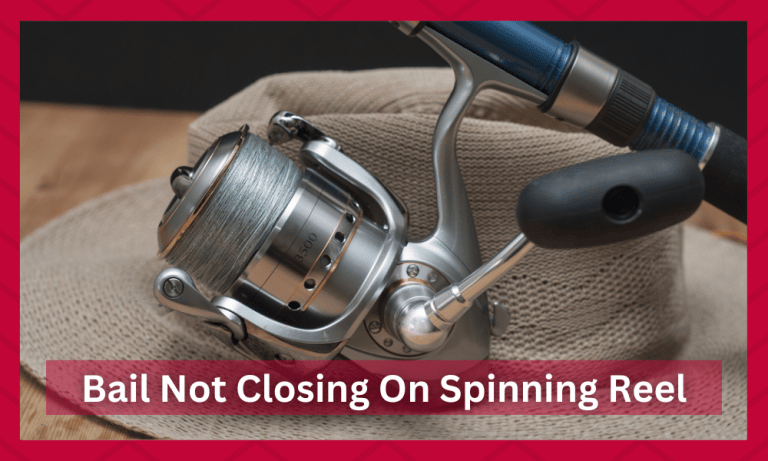
If you are searching for spinning reel bail not closing properly how to fix, the problem is usually easier to solve than many anglers expect. A spinning reel bail is a simple mechanism, but small issues like sand, corrosion, or a weak spring can stop it from working correctly.
After years of handling fishing reels, one common lesson is that most bail problems start with small maintenance issues. A quick inspection and careful cleaning can often restore smooth operation without buying a new reel.
This guide explains the main causes, repair steps, and prevention tips for a spinning reel bail not closing properly how to fix. These methods work well for many popular spinning reels used by anglers across the United States.

How a Spinning Reel Bail System Works
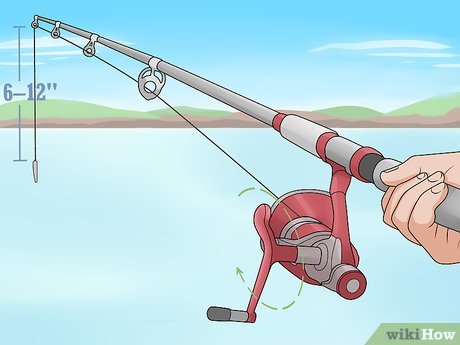
The bail is the metal arm that moves around the spool. It guides the fishing line onto the spool during retrieval and opens when you prepare to cast.
A spinning reel bail uses several small parts. These include the bail arm, spring, pivot points, screws, and internal trip mechanism. When one part stops moving freely, the whole system may fail.
- ✦ Bail spring
The spring creates the force needed to snap the bail closed after a cast or manual movement.
- ✦ Pivot points
These small joints allow the bail arm to rotate smoothly between open and closed positions.
Why understanding the mechanism helps
Knowing how the parts work makes troubleshooting faster. Instead of replacing the entire reel, you can focus on the exact part causing the failure.
Common Reasons Your Spinning Reel Bail Is Not Closing Properly
When a spinning reel bail is not closing properly, the cause is often related to movement problems inside the bail assembly. Dirt and damaged parts are the most common reasons.
Saltwater anglers may see these issues more often because salt and moisture can create corrosion. Freshwater anglers can also experience problems when reels are stored without cleaning.

- ✦ Dirty bail mechanism
Sand, dust, and old grease can block the movement of the bail arm and prevent smooth closing.
- ✦ Weak or broken bail spring
A damaged spring cannot provide enough force to move the bail into the closed position.
- ✦ Loose screws or parts
Loose hardware can change the alignment and stop the bail from moving correctly.
- ✦ Bent bail arm
A bent arm may not line up with the reel body, causing incomplete closing.
Step-by-Step Guide: Spinning Reel Bail Not Closing Properly How to Fix
The best way to fix a spinning reel bail not closing properly is to inspect the simple problems first. Avoid taking apart the entire reel before checking visible issues.
Work slowly and keep small screws in a safe place. Many bail repairs only require basic tools and careful cleaning.

- ✦ Step 1: Check for dirt and debris
Open and close the bail several times while looking for sand, dirt, or old grease around the moving parts.
- ✦ Step 2: Clean the bail area
Use a soft brush and reel-safe cleaner to remove buildup from pivot points and joints.
- ✦ Step 3: Inspect the bail spring
Check if the spring feels weak, broken, or disconnected from its mounting point.
- ✦ Step 4: Test alignment
Make sure the bail arm sits evenly and closes directly into its normal position.
Lubricating the bail assembly
After cleaning, apply a small amount of reel oil to moving joints. Too much oil can attract dirt and create another problem.
A light lubricant helps the bail move smoothly and reduces wear on small internal parts.
How to Replace a Broken Bail Spring
A broken bail spring is one of the most common reasons a spinning reel bail will not close automatically. If cleaning does not help, the spring may need replacement.
Replacing a bail spring requires patience because small parts can move quickly when removed. Always check your reel model before ordering replacement parts.

- ✦ Remove the side cover carefully
Unscrew the cover near the bail hinge and keep all screws organized.
- ✦ Replace the spring
Install the correct replacement spring in the same position as the original part.
- ✦ Test before fishing
Open and close the bail several times to confirm proper tension and movement.
When You Should Replace the Entire Bail Assembly
Not every bail problem can be fixed with cleaning or a spring replacement. Severe damage may require a new bail assembly.
If the bail arm is bent, cracked, or badly worn, repairing individual parts may not provide reliable results.
- ✦ Visible cracks
Cracks in the bail arm can become worse and affect reel safety during fishing.
- ✦ Repeated failure
If the bail keeps failing after repairs, the assembly may have deeper damage.
- ✦ Heavy corrosion
Severe rust or salt damage can weaken important metal parts.
How to Prevent Future Spinning Reel Bail Problems
Preventing a spinning reel bail not closing properly how to fix issue is easier than repairing one during fishing season. Regular care keeps moving parts clean and reliable.
A few minutes of maintenance after each trip can extend reel life and reduce unexpected failures.

- ✦ Rinse after saltwater use
Wash salt residue away with fresh water after every saltwater fishing trip.
- ✦ Store reels properly
Keep reels dry and protected from dust when they are not being used.
- ✦ Inspect before trips
Test the bail action before leaving home to avoid problems on the water.
Frequently Asked Questions about spinning reel bail not closing properly how to fix

fishingscouty
Contributor