Knowing fishing rod blank cracked how to identify can save your favorite rod from a sudden failure. The blank is the main body of the rod, and even a tiny crack can reduce its strength.
Many anglers in the United States notice blank damage after a hard hook set, accidental drops, vehicle transport, or fighting a large fish. A careful inspection before your next trip can reveal problems early.
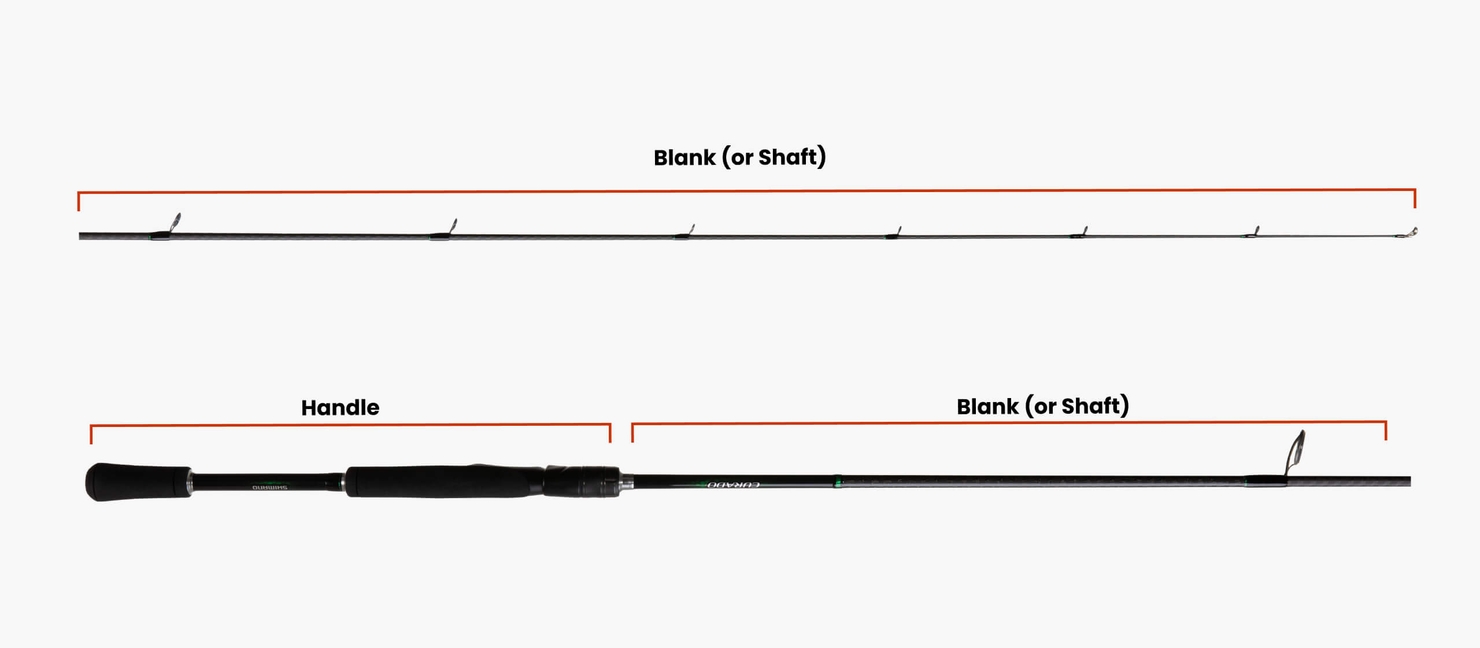
Understanding What a Fishing Rod Blank Is
The rod blank is the long main section that creates power, sensitivity, and flexibility. It may be made from graphite, carbon fiber, fiberglass, or a combination of materials.
When learning fishing rod blank cracked how to identify, start by knowing the normal appearance of your rod. A healthy blank should have an even surface without deep marks, bulges, or unusual bends.
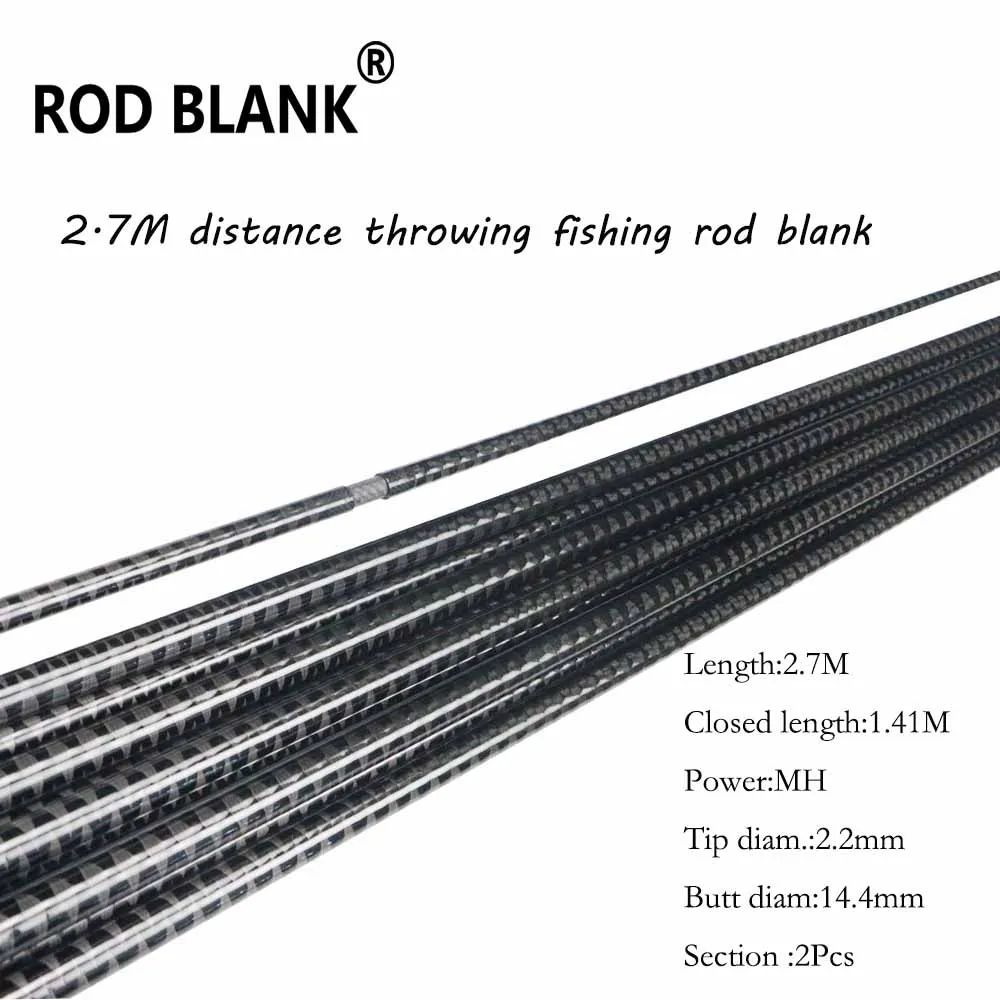
- ✦ Graphite blanks
Graphite blanks are light and sensitive but can be more vulnerable to impact damage.
- ✦ Fiberglass blanks
Fiberglass blanks are flexible and tough but can still develop cracks after repeated stress.
Why blank damage matters
A damaged blank may lose its strength in one small area. During a cast or fish fight, pressure can focus on that weak spot and cause a break.
This is why fishing rod blank cracked how to identify is an important skill for both beginners and experienced anglers.
Visual Signs of a Cracked Fishing Rod Blank
The first step in fishing rod blank cracked how to identify is a detailed visual inspection. Clean the rod and check it under bright light because small damage can hide under dirt or water marks.
Rotate the rod slowly and look at every section, especially near guides, joints, and areas that receive the most bending force.

- ✦ Visible cracks
Look for thin lines, splits, chips, or areas where the surface coating appears broken.
- ✦ Surface changes
Watch for dents, raised areas, peeling finish, or unusual texture changes.
- ✦ Color differences
A dark or faded patch may indicate damage beneath the surface finish.
Check near high-stress areas
The areas near the handle, ferrules, and guide wraps often experience extra stress. These spots deserve extra attention during inspection.
- ✦ Rod joints
Inspect connection points because repeated assembly and bending can create stress marks.
Simple Tests to Find Hidden Blank Damage
Some cracks are not easy to see. Learning fishing rod blank cracked how to identify includes using safe tests that reveal weak areas without damaging the rod further.
Always test gently. A damaged blank can fail if you apply too much pressure during inspection.

- ✦ Sound test
Lightly tap the blank and listen for unusual hollow or sharp sounds compared with nearby sections.
- ✦ Flex test
Slowly bend the rod under light pressure and watch for uneven movement or sudden weak spots.
- ✦ Hand inspection
Run your fingers along the blank to feel rough edges, dents, or surface breaks.
Avoid aggressive testing
Do not force a damaged rod into a deep bend. A small crack can turn into a complete break during a strong stress test.
Common Causes of Fishing Rod Blank Cracks
Understanding why cracks happen makes fishing rod blank cracked how to identify much easier. Most damage comes from impact, misuse, or long-term stress.
A rod may look fine after an accident but develop a hidden weakness that appears later during fishing.
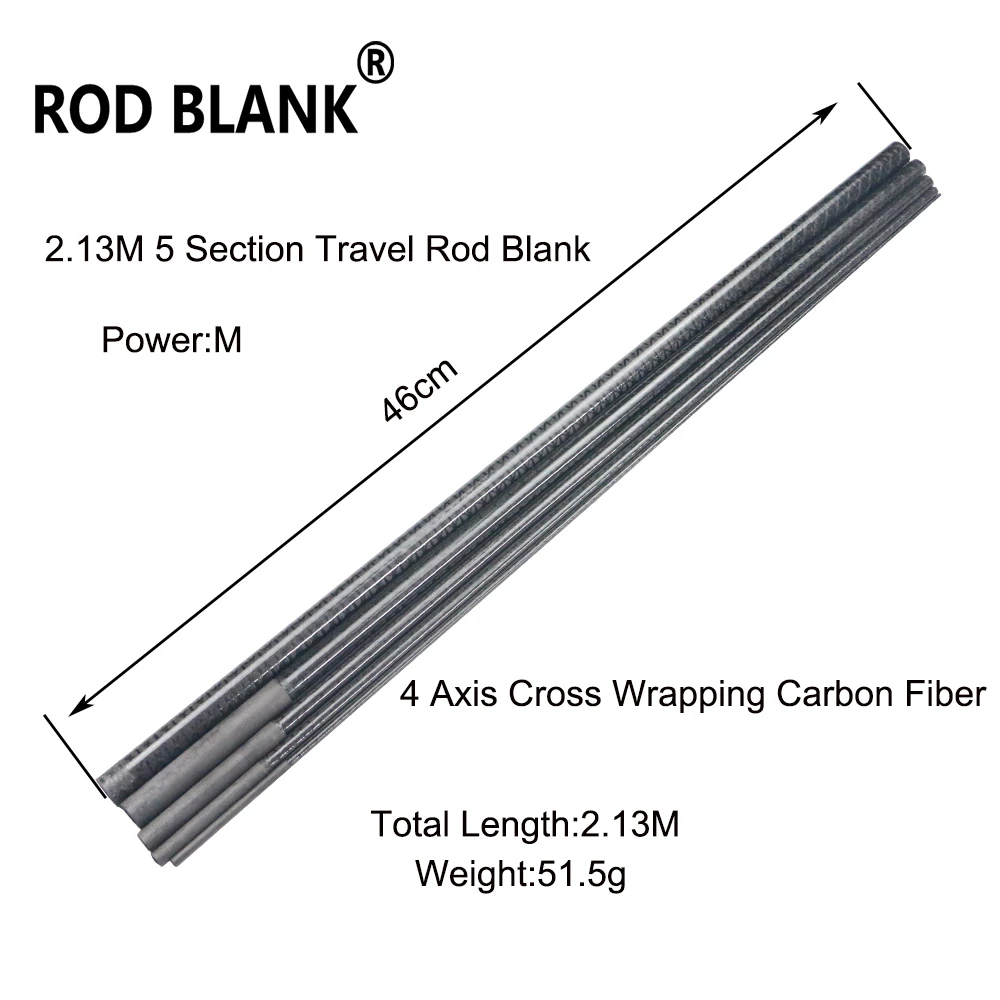
- ✦ Impact damage
Dropping a rod on rocks, doors, truck beds, or hard floors can create internal fractures.
- ✦ Overloading
Using a lure or line weight beyond the rod rating increases stress on the blank.
- ✦ Poor storage
Heat, pressure, and tight storage spaces can slowly weaken rod materials.
Travel and transport damage
Many rod failures happen before the fishing trip begins. Rods stored without protection can hit other gear and develop hidden cracks.
What to Do If You Find a Cracked Rod Blank
After learning fishing rod blank cracked how to identify, the next step is deciding whether repair or replacement is the right option.
Minor surface damage may be repairable, but structural cracks can make a rod unsafe. A professional rod builder can help inspect serious damage.

- ✦ Stop using severely damaged rods
A cracked blank can break suddenly and may cause injury during a cast or fish fight.
- ✦ Document the damage
Take photos and note where the crack appears before seeking repair advice.
Repair versus replacement
Some cosmetic marks do not affect performance, while deep cracks usually require replacing the damaged section or the entire rod.
Frequently Asked Questions about fishing rod blank cracked how to identify

fishingscouty
Contributor