Understanding how underwater vegetation produces fish habitat helps anglers, lake managers, and nature lovers see why plants are so important below the water surface. A healthy aquatic plant bed is not just a group of plants. It is a living community where fish find protection, hunt for food, and raise their young.
From my experience studying aquatic ecosystems and fishing environments, the most productive waters often contain some form of underwater vegetation. In many U.S. lakes, rivers, and coastal areas, plant growth creates the structure fish need to survive. When vegetation disappears, fish often lose important areas for feeding and shelter.

How underwater vegetation produces fish habitat through structure and shelter
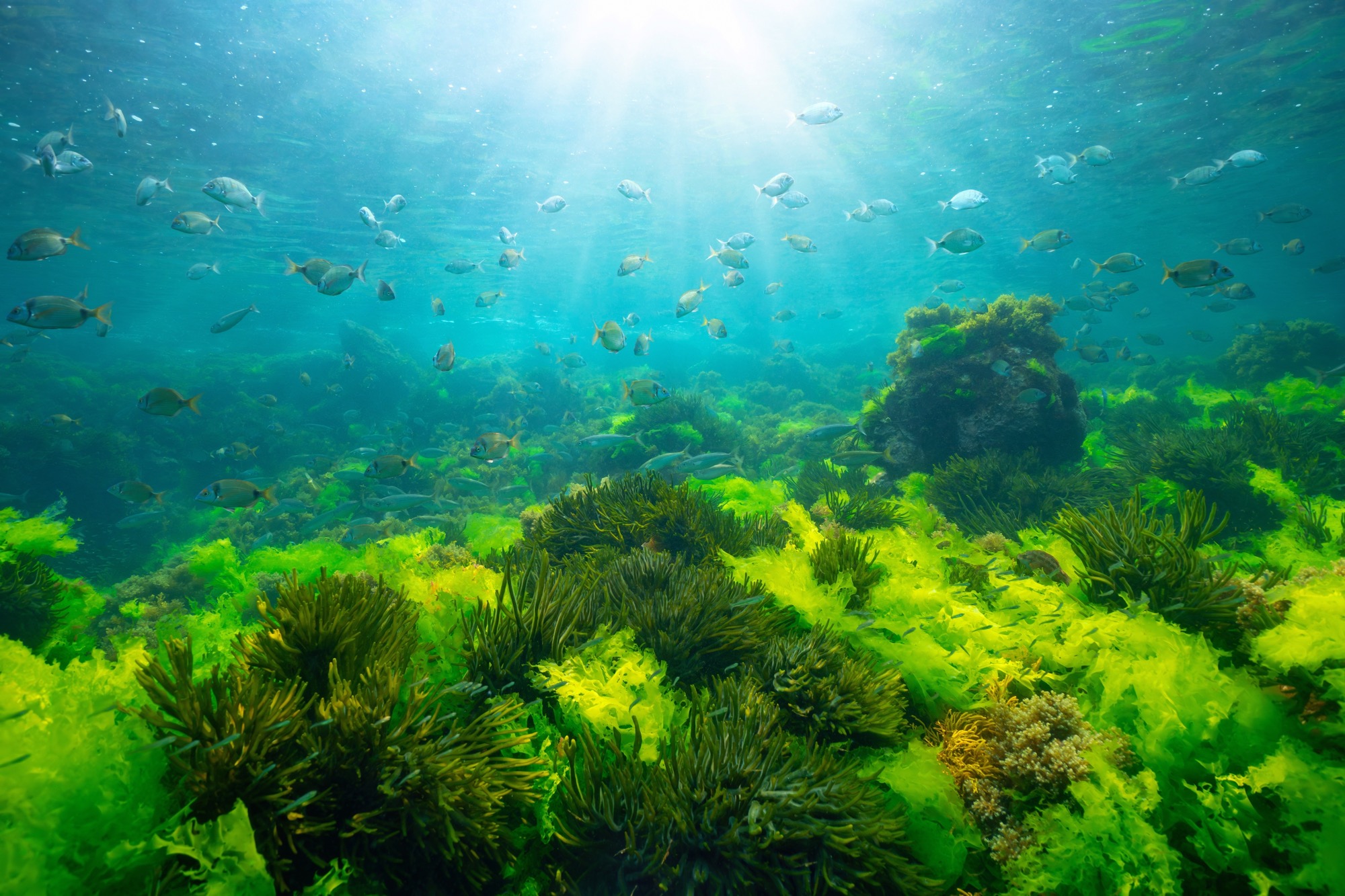
The first way how underwater vegetation produces fish habitat is by creating physical structure. Fish need places to hide from predators and avoid strong currents. Plants such as eelgrass, hydrilla, pondweed, and kelp form underwater areas where fish can move safely.
Small fish use dense vegetation as a protective zone during early life stages. Larger fish also use these areas because prey species gather there. This creates a natural cycle where plants support many levels of aquatic life.

- ✦ Protection from predators
Thick plant growth gives young fish hiding places where larger predators have more difficulty reaching them.
- ✦ Safe movement areas
Vegetation slows water movement and creates calmer zones where fish can rest and feed.
- ✦ Natural underwater cover
Plants act like underwater forests that provide structure similar to trees in a land ecosystem.
Why habitat structure matters for fish survival
Fish do not live only in open water. They depend on habitat features that provide safety and access to resources. Underwater vegetation creates these features by adding complexity to otherwise empty areas.
- ✦ Habitat complexity
More plant structure usually means more places for different fish species to live and interact.
Aquatic plants provide food sources for fish and aquatic animals
Another important part of how underwater vegetation produces fish habitat is food production. Plants support tiny organisms such as insects, snails, and microorganisms. These small creatures become food for many fish species.
Plant surfaces collect algae and organic material that attract insects and other small animals. Fish then gather around vegetation because it becomes a reliable feeding area.

- ✦ Supports the food chain
Plants provide the base that allows small organisms and prey animals to grow.
- ✦ Creates hunting areas
Predatory fish often wait near vegetation because prey species naturally gather there.
Vegetation and fish feeding patterns
Many anglers notice that fish activity increases around plant edges. These transition zones provide both cover and access to food, making them valuable areas for fishing.
- ✦ Plant edges
The border between vegetation and open water often attracts feeding fish.
How underwater vegetation improves oxygen levels and water quality
A major reason how underwater vegetation produces fish habitat is through oxygen production. During daylight hours, aquatic plants use sunlight to create oxygen through photosynthesis. This oxygen helps support fish and other aquatic organisms.
Vegetation also improves water quality by trapping sediments and absorbing nutrients. Cleaner water allows more sunlight to reach plants, which helps maintain a healthy ecosystem.

- ✦ Oxygen production
Plants release oxygen into the water, supporting fish respiration and aquatic life.
- ✦ Water filtration
Plant roots and stems help reduce suspended particles and improve water clarity.
The balance between healthy plants and excessive growth
A balanced amount of vegetation supports fish populations. However, too much plant growth can create problems when it reduces oxygen levels at night or limits fish movement.
- ✦ Healthy balance
Proper plant coverage creates habitat without damaging overall water conditions.
Underwater vegetation creates spawning and nursery areas
Fish reproduction depends heavily on suitable habitat. Many species attach eggs to plants or use vegetation as protection after spawning. This explains another key part of how underwater vegetation produces fish habitat.
Young fish need safe places with enough food and protection. Plant beds provide these nursery areas where small fish can grow before moving into deeper water.
- ✦ Egg protection
Plants provide surfaces where some fish species can attach and protect their eggs.
- ✦ Nursery habitat
Young fish use vegetation to avoid predators and find small food sources.
Examples of fish using vegetation for reproduction
Species such as bass, bluegill, and many coastal fish depend on different forms of aquatic vegetation during parts of their life cycle.
- ✦ Freshwater species
Many lake fish use submerged plants as spawning and growing areas.
Types of underwater vegetation that support fish habitat
Different types of aquatic plants create different habitat conditions. Some grow completely underwater, while others float or rise above the water surface. Each type supports fish in unique ways.
Understanding plant types helps anglers and conservation workers recognize valuable habitat areas in lakes, rivers, and coastal environments.

- ✦ Submerged plants
Plants like pondweed and eelgrass grow underwater and provide excellent fish cover.
- ✦ Floating plants
Floating vegetation creates shade and attracts small organisms that fish feed on.
- ✦ Marine vegetation
Sea grasses and kelp forests support many ocean fish species.
Freshwater versus marine vegetation
Freshwater plants support fish in lakes and rivers, while marine plants create habitats in coastal waters. Both systems show how underwater vegetation produces fish habitat through natural design.
- ✦ Different environments
Plant communities change based on water depth, salinity, temperature, and sunlight.
Frequently Asked Questions about how underwater vegetation produces fish habitat

fishingscouty
Contributor