Worms are one of the simplest, most effective baits for many saltwater species.
I’ve fished coasts and estuaries for over 15 years. I’ve caught stripers, flounder, sea trout, and surf fish on simple worms. This guide on using worms as bait for saltwater fishing explains what works, why it works, and how to rig, store, and present worms to catch more fish. Read on for proven tips, mistakes to avoid, and real-life tricks you can use right away.
Why using worms as bait for saltwater fishing works
Worms offer scent, texture, and natural movement. Fish key in on smell and small vibrations. Worms mimic the prey fish and crustaceans eat. They are cheap, easy to rig, and often outfish artificial lures in weedy or murky water.
Research and years on the water show that scent and profile matter most. Using worms as bait for saltwater fishing gives you both. Use worms when you need a natural, low-effort option that still brings big results.

Best worm types for saltwater fishing
Choose the worm that matches local prey and conditions. Common choices include:
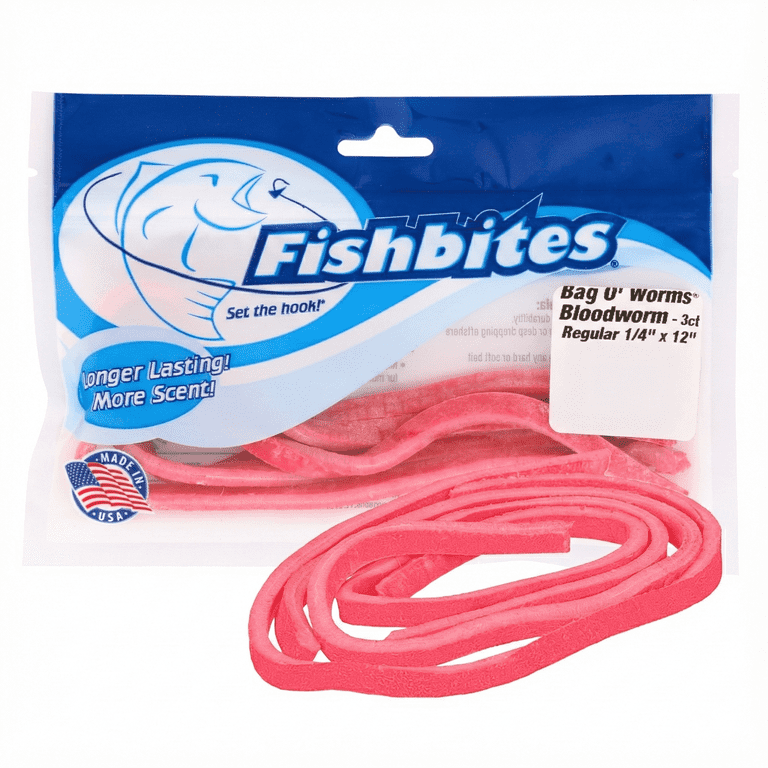
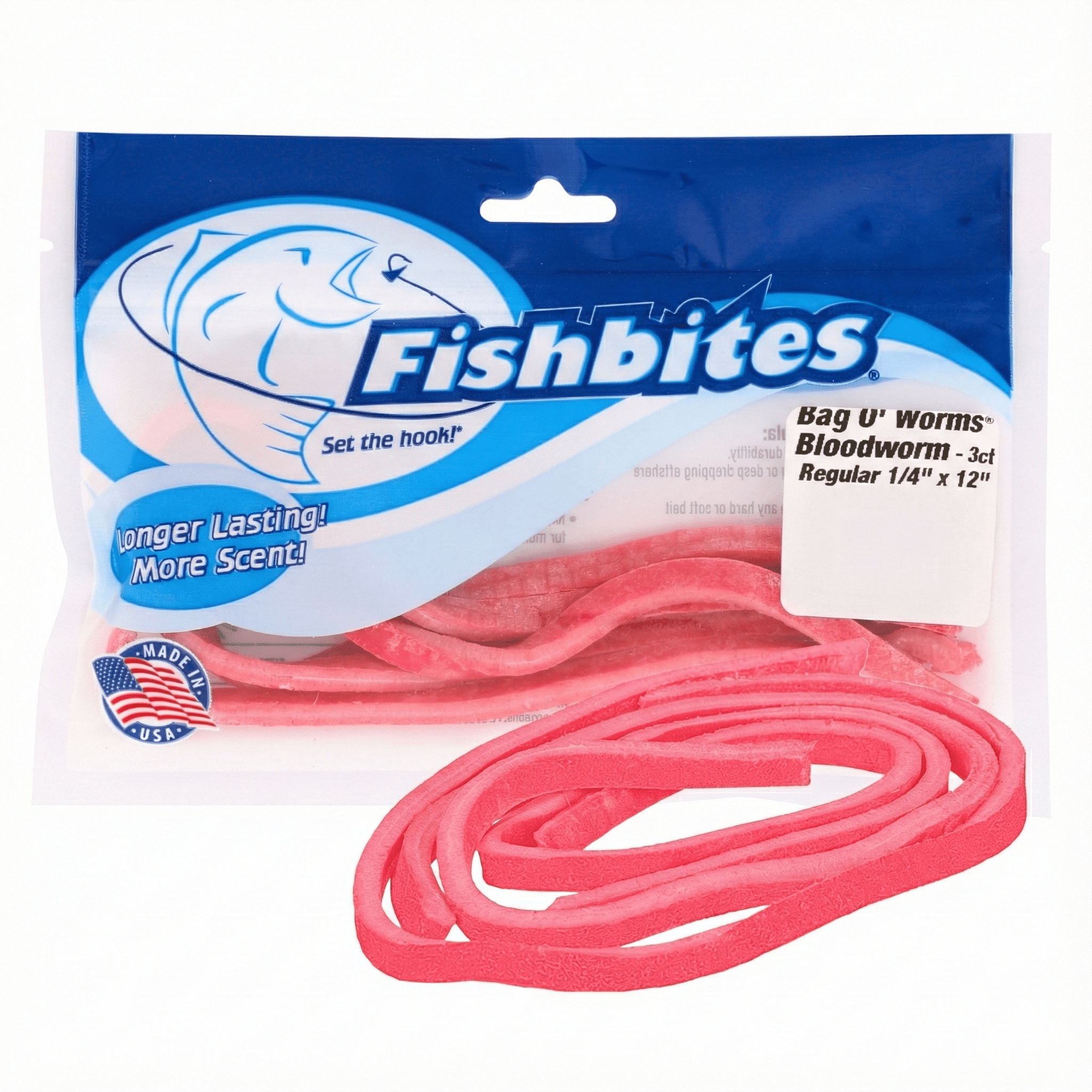
- Bloodworms. Good for surf and estuary fish. They bleed scent and are very attractive.
- Sandworms (also called sand flea worms). Great for stripers, pompano, and surf anglers.
- Ragworms (a.k.a. lugworms or clam worms). Tough and work well on heavier tides.
- Lugworms. Offer bulk and last longer on the hook.
Size matters. Use small strips for panfish and small trout. Use full sandworms for big surf fish. When using worms as bait for saltwater fishing, match worm type to your target species and local forage.
How to rig worms for saltwater fishing
Here are simple rigs that work every time. Keep knots tight and bait natural.
Threaded hook method
- Thread the worm onto the hook so it looks alive. Leave the tail free to pulse. This gives movement and keeps the bait on the hook.
- Use a circle or bait hook sized to the worm and fish.
Fish-finder high-low rig
- Use a sliding sinker on the mainline and one or two dropper leaders with hooks. This works well in surf and from piers.
- Space hooks 12–24 inches apart. Bait each hook with a small worm strip.
Carolina or sliding sinker rig
- Good for bottom feeders. Fish rests on the bottom with the worm presenting a natural profile.
- Use a leader of 12–18 inches between sinker and hook.
Jighead and weighted hooks
- For casting or when you need to keep the worm off structure. The jighead helps get the worm to the strike zone fast.
When using worms as bait for saltwater fishing, aim for a natural thread and minimal weight to keep scent and motion.

Tactics and tips for success
Small changes often boost your catch rate. Try these tips.
Match the drift
- Let the bait drift like natural prey. Fish often bite when the worm drifts past feeding zones.
Watch tide and light
- Fish feed heavily on incoming tide. Early morning and dusk are prime times in many areas.
Scent and attractors
- Fresh worms are best. Light fish oils or commercial attractants can help in cold water.
Keep hooks sharp and rigs simple
- Replace dull hooks. Simple rigs are easier to cast and look more natural.
Personal tip from the field
- I once switched from a large chunk of clam to a short sandworm strip and doubled bites in one hour. Small changes matter. Using worms as bait for saltwater fishing taught me to trust subtle presentation over heavy tackle.
Bait care, storage, and live bait handling
Keep worms lively and safe. Good care extends bait life and improves attraction.
Live worm storage
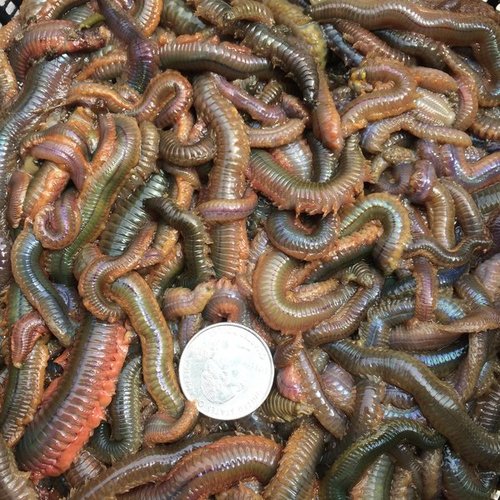
- Use a bucket with clean sea water and a loose aerator. Change water daily for long trips.
- Keep worms cool and out of direct sun. Temperature spikes kill bait quickly.
Using frozen or stored worms
- Frozen worms thaw well and retain scent. Use within a day for best results.
- Store fresh worms in damp sand or shredded newspaper if you can’t keep them in sea water.
Safety and handling
- Some bloodworms can bite or sting. Use gloves when you handle many worms.
- Rinse hands after baiting to avoid transferring scents that deter fish.
When using worms as bait for saltwater fishing, good bait care equals more bites and less fuss.
Environmental and legal considerations
Be responsible when collecting or using worms. Respect rules and habitats.
Check local regulations
- Many areas regulate bait collection and transport. Licenses and seasonal limits may apply.
Avoid invasive species
- Never move live bait between water bodies. This can spread pests and disease.
Sustainable harvest
- Take only what you need. Leave habitat intact for bait species to recover.
When using worms as bait for saltwater fishing, follow rules and act as a steward of the shore.
Frequently Asked Questions of using worms as bait for saltwater fishing
What species will eat worms in saltwater?
Many species eat worms including striped bass, flounder, redfish, and sea trout. Worms are a natural food source for both juvenile and adult fish in coastal waters.
Can I use freshwater worms for saltwater fishing?
Freshwater worms work in a pinch but they often die quickly in salt water and lose scent fast. Use saltwater-specific worms when possible for better results.
How do I keep worms alive on a long trip?
Keep them in cool sea water with gentle aeration and shade. Change the water and avoid overheating to keep worms lively throughout the day.
Are frozen worms as good as live worms?
Frozen worms retain scent and work well, especially when fresh bait is unavailable. Live worms are best for scent and movement, but frozen is a strong alternative.
Do worms attract crabs or unwanted species?
Yes, worms can attract crabs and other scavengers. Use smaller bait pieces or elevated rigs to reduce unwanted bites.
How should I rig sandworms for surf fishing?
Thread the worm on a mid-size hook and use a sliding sinker to let it drift with the surf. Keep your leader a bit longer so the worm swims naturally.
Is it legal to dig my own worms on the beach?
Law and rules vary by region. Always check local regulations and harvest only in permitted areas and seasons.
Conclusion
Worms are simple, affordable, and effective for many saltwater trips. They bring scent, movement, and a natural profile that fish trust. Use the right type, rig them simply, store them well, and follow local rules. Try one new tip on your next outing—match the tide, use fresh bait, or simplify your rig—and you’ll likely see better results. If you found this guide useful, leave a comment, share your own worm tips, or subscribe for more coastal fishing advice.