Understanding how baitfish respond to light helps anglers make smarter choices on lakes, rivers, and coastal waters across the United States. Light affects where small fish feed, hide, travel, and gather. These changes can influence where larger predator fish hunt.
From years of studying fishing patterns and observing baitfish around docks, boats, and natural habitats, one lesson stands out: light is not simply an attraction tool. It is a signal that baitfish interpret based on survival needs. The same light that draws one species closer may push another species deeper.
The way baitfish react to sunlight, moonlight, artificial lights, and changing water conditions reveals important clues about underwater ecosystems. Learning these patterns gives anglers a better chance of finding active fish.

Why Light Matters to Baitfish Behavior
Light controls many daily activities for baitfish. Their eyes help them detect changes in brightness, locate food, avoid predators, and stay connected with schools. This is why learning how baitfish respond to light is important for both scientists and anglers.
Baitfish do not see light the same way humans do. Many species can detect small changes in underwater brightness. Some can also see colors that change as light travels through water.

- ✦ Finding food
Light often attracts tiny organisms like plankton, which become a food source for baitfish.
- ✦ Avoiding predators
Baitfish may move away from open bright areas when predators can easily spot them.
- ✦ Maintaining school movement
Light changes can affect how baitfish groups move and stay together.
The Role of Fish Vision
Baitfish rely on specialized eyes and sensory systems to understand their environment. Their vision helps them identify safe areas, feeding zones, and threats.
Many baitfish have adaptations that allow them to function in both bright shallow water and darker deep areas.
- ✦ Light detection
Fish eyes contain cells that detect brightness and movement underwater.
How Baitfish Respond to Natural Sunlight
During daylight hours, baitfish often adjust their depth and location to balance feeding opportunities and protection. Bright sunlight can make shallow areas risky because predators can see them more easily.
Many baitfish move closer to cover such as vegetation, docks, rocks, or shaded areas when sunlight becomes intense. These locations provide protection while still offering access to food.

- ✦ Morning movement
Low morning light often encourages baitfish to move into shallower feeding areas.
- ✦ Midday behavior
Strong midday sunlight may push baitfish deeper or into shaded locations.
- ✦ Evening activity
Reduced light levels often increase baitfish movement and feeding.
Why Water Depth Changes Light Response
Water filters light as it travels deeper. This means baitfish living in deep lakes may experience a completely different light environment than fish near the surface.
Clear water allows more light penetration, while muddy water reduces visibility and changes how baitfish react.
- ✦ Clear water
Baitfish may become more cautious because predators can see them easily.
How Artificial Lights Affect Baitfish at Night
Night fishing shows some of the most interesting examples of how baitfish respond to light. Artificial lights from docks, boats, and fishing equipment can create small underwater ecosystems.
Lights often attract tiny insects and plankton. When these organisms gather, baitfish may follow because food becomes available. Larger predators then follow the baitfish.

- ✦ Light attracts food first
Small organisms usually gather around light before baitfish arrive.
- ✦ Predator activity increases
Bass, crappie, striped bass, and other predators may target baitfish near light sources.
- ✦ Color matters
Different light colors can affect visibility and attraction depending on water conditions.
Why Green and White Lights Are Popular
Many anglers use green and white lights because they can work well in certain water conditions. These lights may create visible feeding zones where baitfish gather.
However, results vary because species, location, water clarity, and season all influence baitfish behavior.
- ✦ Green light
Often used because it can penetrate water and create a visible area for attracting small organisms.
When Light Scares Baitfish Instead of Attracting Them
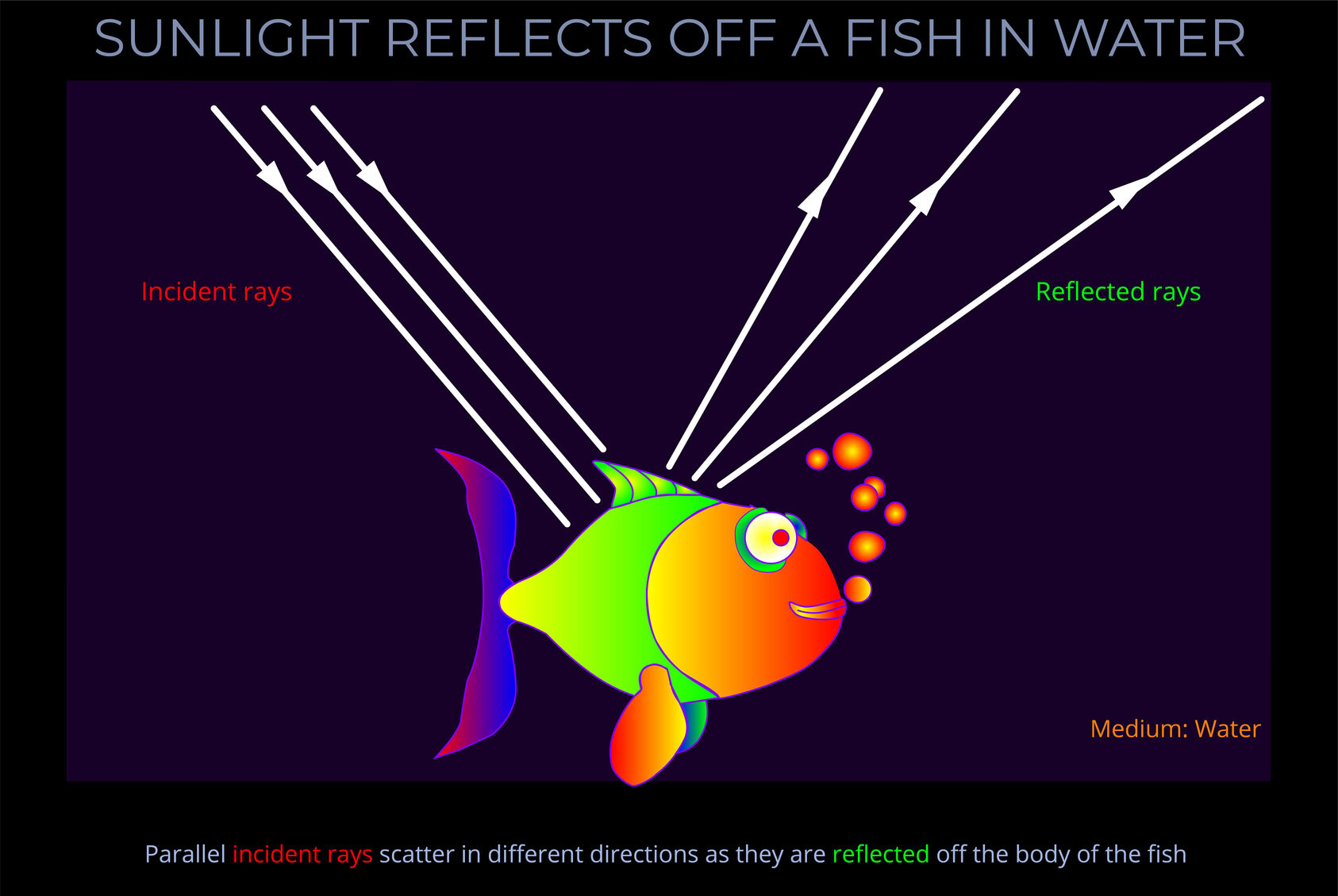
A common mistake is assuming all baitfish move toward light. In reality, sudden or intense light can create a fear response. Baitfish may scatter because bright changes can signal danger.
Understanding how baitfish respond to light means knowing both attraction and avoidance behaviors. A flashlight shining directly into shallow water may send fish away instead of bringing them closer.
- ✦ Sudden brightness
Quick changes from darkness to bright light can startle baitfish.
- ✦ Predator risk
Open bright areas can expose baitfish to hunting fish.
- ✦ Species differences
Some baitfish tolerate light better than others.
Natural vs Artificial Light Response
Natural light changes slowly through sunrise and sunset. Artificial lights often change instantly, which can create different reactions.
Experienced anglers watch for gradual movement rather than expecting every fish to rush toward a light source.
- ✦ Slow changes
Natural light transitions usually allow baitfish to adjust calmly.
How Anglers Can Use Light Patterns to Find Baitfish
Knowing how baitfish respond to light can improve fishing strategies. Instead of randomly searching, anglers can look for places where light creates feeding opportunities.
In many U.S. fishing areas, docks, bridges, marinas, and shoreline structures become productive locations at night because they combine cover, food, and light.
- ✦ Watch surface activity
Small splashes and movement can reveal baitfish feeding near light.
- ✦ Check current areas
Moving water can carry food toward lighted areas.
- ✦ Match the conditions
Adjust light strategies based on season, water clarity, and target species.
Common Mistakes Anglers Make
Many anglers focus only on the light source and ignore surrounding conditions. The best spots often include structure, current, and food supply.
Light is a tool, not a guarantee. Successful anglers combine light knowledge with observation.
- ✦ Ignoring depth
Baitfish may gather below the visible light zone.
Frequently Asked Questions about how baitfish respond to light

fishingscouty
Contributor