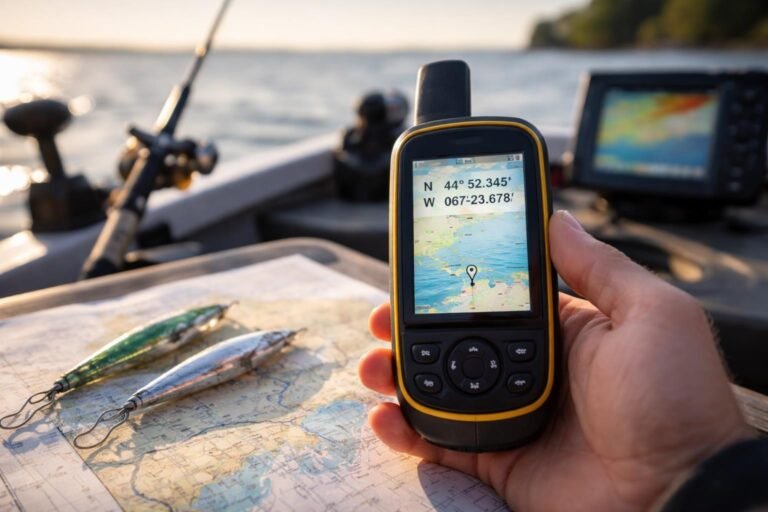
Learning how to choose bait based on water conditions is one of the most useful skills an angler can develop. Fish do not react to bait the same way in every environment. A worm that works well in a clear pond may fail in muddy river water because fish use different senses to find food.
After years of studying fishing patterns, one lesson stands out: successful anglers adjust before they cast. They look at the water first, then select bait that fits what fish can see, smell, and detect. This simple habit can make fishing trips more productive across lakes, rivers, ponds, and coastal areas in the United States.

Understand Why Water Conditions Matter for Bait Selection
Water conditions control how fish hunt and how they find food. Light levels, water movement, oxygen, and temperature change fish behavior throughout the year. When anglers understand these factors, they can make smarter bait choices.
The best approach for how to choose bait based on water conditions starts with observation. Before selecting a lure or natural bait, check if the water is clear or cloudy, calm or moving, warm or cold, and shallow or deep.
- ✦ Water clarity
Clear water allows fish to rely more on sight, so realistic colors and natural-looking bait often work better.
- ✦ Water temperature
Cold water slows fish movement, while warm water usually increases feeding activity.
- ✦ Water movement
Current affects how bait moves and how fish position themselves to feed.
Start Every Fishing Trip With a Water Check
A quick water check can save time and improve your results. Look for signs like surface activity, baitfish movement, algae growth, and water color before choosing your bait.
- ✦ Observe before casting
Spend a few minutes studying the area instead of immediately throwing your favorite bait.
How to Choose Bait for Clear Water Conditions
Clear water gives fish a better view of your bait. In these conditions, fish can inspect details, so natural presentation becomes important. Small mistakes in bait size, color, or movement can make fish avoid your offering.
When learning how to choose bait based on water conditions, clear water usually calls for subtle choices. Soft plastics that imitate local prey, live worms, minnows, and natural-colored lures are common options.

- ✦ Use natural colors
Choose shades that resemble local insects, baitfish, and small aquatic creatures.
- ✦ Downsize your bait
Smaller presentations often appear less threatening in transparent water.
Best Bait Choices for Clear Lakes and Ponds
Clear lakes often reward patience. Slow-moving bait that looks natural can attract bass, trout, and panfish because fish have time to examine the target.
- ✦ Live bait
Nightcrawlers, insects, and small minnows can create a realistic presentation.
Choosing Bait for Muddy or Dirty Water
Muddy water reduces visibility, so fish depend more on smell, vibration, and movement. Bright colors, strong scents, and noisy lures can help fish locate your bait.
For how to choose bait based on water conditions in muddy water, focus on helping fish detect your offering. A bait that creates a strong signal often performs better than one that only looks realistic.

- ✦ Use vibration
Spinnerbaits, rattling lures, and moving baits help fish notice your presence.
- ✦ Add scent
Natural bait and scented soft plastics can attract fish using their sense of smell.
Color Choices for Low Visibility Water
Dark colors and bright contrast colors are often easier for fish to notice when sunlight cannot penetrate the water well.
- ✦ High contrast bait
Use colors that stand out against the background instead of blending in.
How Water Temperature Changes the Best Bait Choice
Fish metabolism changes with water temperature. In colder water, many species move slowly and prefer easy meals. In warmer water, fish may chase faster-moving prey.
Understanding how to choose bait based on water conditions means adjusting your approach with the seasons. Spring, summer, fall, and winter each create different feeding patterns.

- ✦ Cold water
Use slow presentations like worms, jigs, and small natural baits.
- ✦ Warm water
Try active lures that imitate fast-moving prey.
Seasonal Bait Adjustments
Many U.S. anglers change bait choices as seasons shift. Matching seasonal prey helps your bait look more familiar to feeding fish.
- ✦ Spring feeding
Fish often respond well to bait that imitates insects and smaller fish.
Selecting Bait for Deep Water and Shallow Water
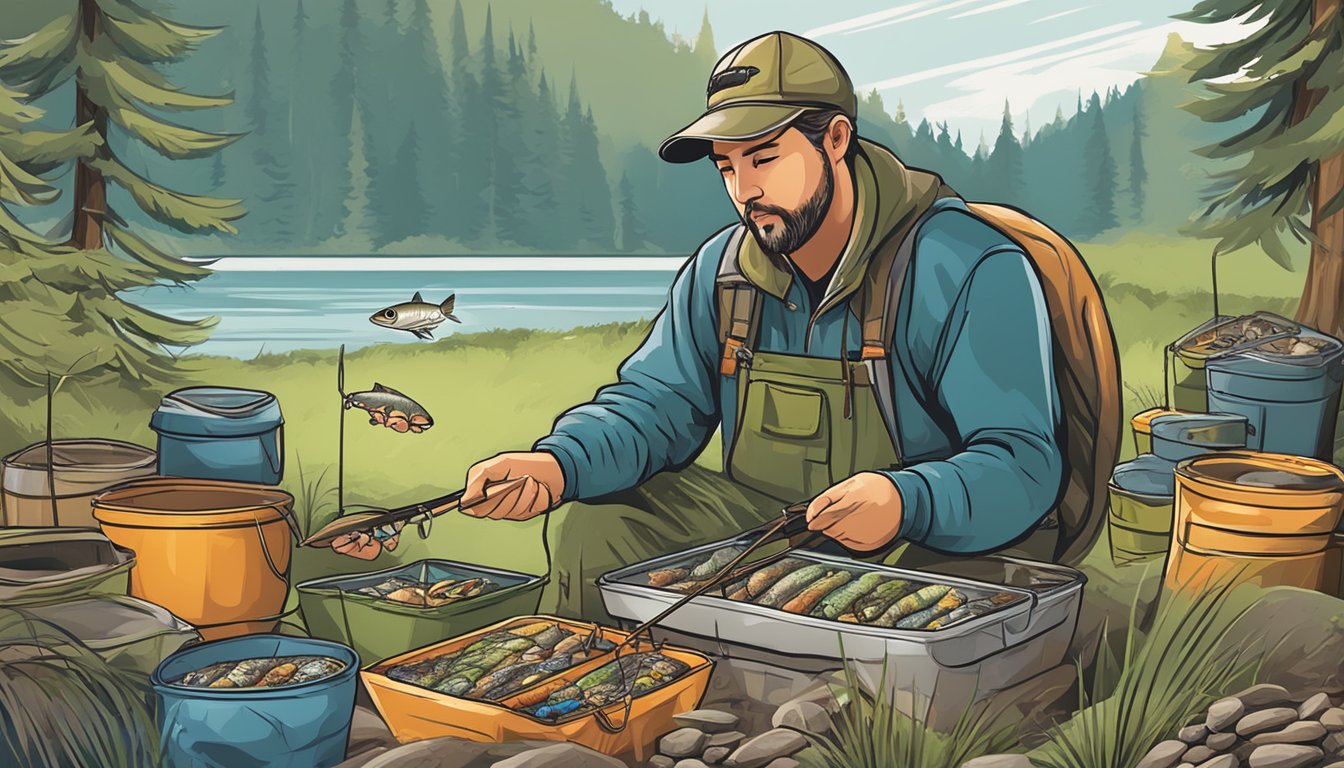
Water depth changes where fish spend time and how they feed. Shallow areas often contain insects, frogs, and small baitfish, while deep areas may hold larger fish looking for cooler or safer zones.
The process of how to choose bait based on water conditions includes matching bait depth with fish location. A perfect bait at the wrong depth may never reach feeding fish.
- ✦ Shallow water bait
Topwater lures, insects, and lightweight presentations work well near the surface.
- ✦ Deep water bait
Jigs, weighted soft plastics, and sinking baits help reach deeper fish.
Match Bait Movement With Depth
A bait should move naturally at the depth where fish are feeding. Adjust weight, retrieve speed, and bait style to match the area.
- ✦ Control presentation
Change speed and depth before changing bait completely.
Natural Bait vs Artificial Lures Based on Conditions
Both natural bait and artificial lures have advantages. Natural bait uses smell and taste, while artificial lures use movement, color, and vibration to attract fish.
When deciding how to choose bait based on water conditions, consider what advantage the situation requires. Slow fish may prefer natural offerings, while aggressive fish may strike moving lures.

- ✦ Natural bait benefits
Live worms, minnows, and insects provide realistic scent and movement.
- ✦ Artificial lure benefits
Lures allow anglers to cover more water and test different presentations.
Combine Knowledge With Experimentation
Experienced anglers often carry multiple bait options because conditions can change quickly. Testing different presentations helps identify what fish want on that specific day.
- ✦ Keep notes
Record successful bait choices, weather, and water conditions for future trips.
Frequently Asked Questions about how to choose bait based on water conditions

fishingscouty
Contributor