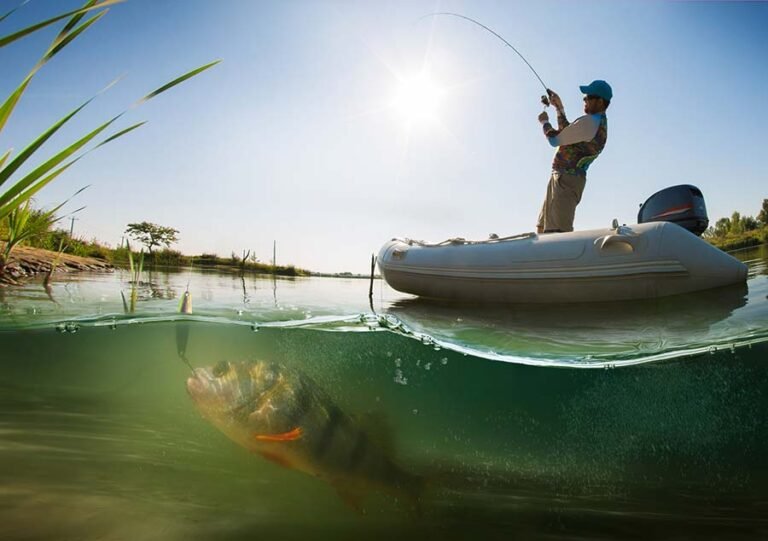
When anglers ask what is natural bait, they are asking about one of the oldest fishing methods in the world. Natural bait uses real organisms or natural food items that fish already eat in their environment. This can include worms, insects, small fish, shellfish, and even plant-based foods.
From my experience studying fishing methods, natural bait remains popular because it connects directly with how fish find food. A live worm moving underwater or a fresh piece of baitfish can create natural signals that many fish species understand quickly.
In the United States, both beginner and professional anglers use natural bait in lakes, rivers, ponds, and coastal waters. The method is simple, affordable, and effective when the bait matches the fish species and local ecosystem.

What Is Natural Bait and How Does It Work?
Natural bait means any naturally occurring food item used to catch fish. Unlike artificial lures made from plastic, metal, or synthetic materials, natural bait comes from real sources that fish may normally eat.
Understanding what is natural bait starts with understanding fish behavior. Fish rely heavily on smell, taste, movement, and appearance when searching for food. Natural bait provides these signals in a way that often feels familiar to fish.
A successful angler does not simply place any bait in water. They choose bait based on the target species, season, water temperature, and local food supply.
- ✦ Natural smell
Real bait releases natural scents and oils that can attract fish from nearby areas.
- ✦ Natural movement
Live bait creates movement that can trigger feeding responses in many fish species.
- ✦ Real food source
Fish often recognize natural bait as familiar food because it matches their normal diet.
Natural Bait vs Artificial Lures
Natural bait and artificial lures both have a place in fishing. Natural bait focuses on using real food, while artificial lures imitate prey through shape, color, vibration, or movement.
Many anglers choose natural bait when they want a simple approach or when fish are feeding on specific natural foods in the water.
- ✦ Natural bait advantage
It offers authentic scent and taste that can encourage fish to bite.
- ✦ Artificial lure advantage
It can be reused many times and does not require keeping live organisms.
Common Types of Natural Bait Used by Anglers
There are many types of natural bait available to anglers across the United States. The best choice depends on the fish being targeted and the local environment.
When learning what is natural bait, beginners often start with simple options such as worms because they are easy to find and attract many freshwater fish species.

- ✦ Worms
Nightcrawlers and earthworms are among the most popular natural baits for bass, trout, catfish, panfish, and many other freshwater species.
- ✦ Minnows
Live minnows are commonly used for predatory fish because they imitate natural prey.
- ✦ Insects
Crickets, grasshoppers, and larvae can work well for species that feed on insects.
- ✦ Fish pieces
Cut bait from fish can attract species such as catfish and some saltwater predators.
Freshwater Natural Baits
Freshwater anglers often use worms, crayfish, minnows, leeches, and insects. These baits match the food sources found in lakes, rivers, and ponds.
Bass, trout, crappie, bluegill, and catfish are common targets for natural bait fishing in freshwater.
Benefits of Using Natural Bait for Fishing
Natural bait has remained popular because it offers several practical benefits. It is often easy to find, affordable, and effective for many fishing situations.
For people learning what is natural bait, understanding these benefits helps explain why experienced anglers still rely on traditional bait methods.
- ✦ Easy for beginners
Natural bait does not require advanced casting skills or complex techniques.
- ✦ Strong attraction
Natural smells and flavors can help fish locate bait in different water conditions.
- ✦ Wide species range
Many fish species respond well to different types of natural bait.
- ✦ Low equipment needs
Anglers can often fish successfully with simple hooks, lines, and bait.
How to Choose the Right Natural Bait
Choosing the right bait requires understanding the fish you want to catch. Different species have different feeding habits, so one bait may work well for one fish but fail for another.
The best natural bait often matches what fish already eat in that specific location. Local knowledge can help anglers select better options.

- ✦ Know your target fish
Research the preferred foods of the species you want to catch.
- ✦ Match the season
Fish often change feeding patterns throughout the year.
- ✦ Consider water conditions
Water clarity, temperature, and current can affect bait performance.
Using Natural Bait in Different Waters
River fishing often requires durable bait that stays on the hook in moving water. Lake fishing may allow more flexible bait choices because fish behavior can vary by depth and structure.
Saltwater anglers often use shrimp, squid, and baitfish because many coastal predators naturally feed on these foods.
How to Store and Handle Natural Bait Properly
Proper storage helps keep natural bait fresh and effective. Poor handling can reduce movement, smell, and overall performance.
Anglers should follow local fishing rules because some areas have restrictions on collecting, transporting, or using certain types of bait.

- ✦ Keep bait fresh
Store bait in suitable containers and avoid exposing it to extreme temperatures.
- ✦ Handle carefully
Gentle handling helps keep live bait active and attractive.
- ✦ Follow regulations
Check local laws before collecting or using natural bait.
Limitations of Natural Bait Fishing
Although natural bait is effective, it also has some challenges. Live bait requires care, storage, and sometimes extra preparation before fishing.
Understanding what is natural bait also means knowing when it may not be the best choice. Some fishing situations require artificial lures for better coverage or convenience.
- ✦ Short shelf life
Many natural baits spoil quickly without proper storage.
- ✦ Extra preparation
Some bait requires collection, cleaning, or preparation before use.
- ✦ Environmental concerns
Using non-native bait species can harm local ecosystems.
Frequently Asked Questions about what is natural bait

fishingscouty
Contributor