A fishing sinker helps your bait reach the right depth, but it can also harm your line when used incorrectly. Many anglers notice the problem only after a lost fish reveals a weak spot near the weight.
After years of rigging rods for lakes, rivers, and coastal waters, one lesson stands out: small setup choices prevent big failures. Understanding fishing sinker damaging fishing line how to prevent saves tackle, time, and missed catches.
The good news is that most sinker-related line damage is easy to avoid. With the right weight, attachment method, and routine checks, your fishing line can stay strong through many trips.
Why fishing sinkers can damage fishing line
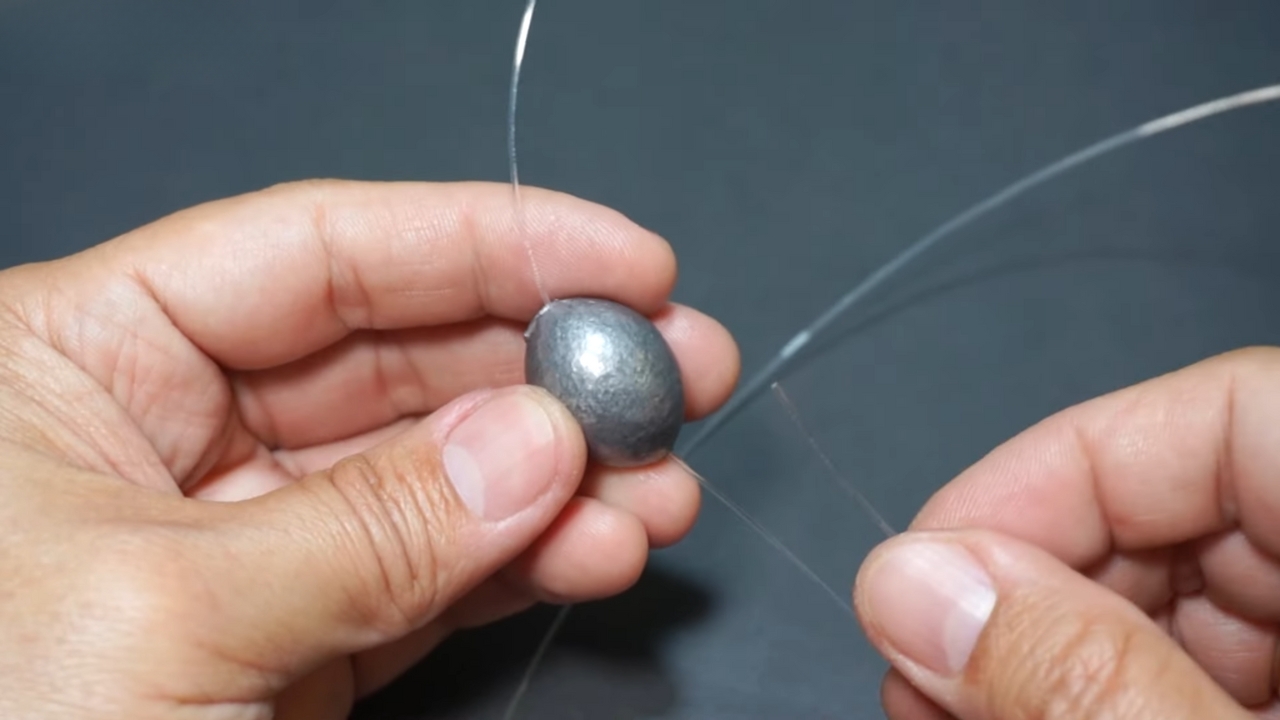
Fishing sinkers damage line mainly through friction, pressure, and sharp edges. When a weight slides, pinches, or rubs against the line, it slowly removes strength from the material.
This issue affects many types of line, including monofilament, fluorocarbon, and braided line. The damage may look small, but a weakened section can break during a hard hook set or a strong fish run.
- ✦ Friction damage
A sliding sinker can rub the same area of line many times and create tiny abrasions.
- ✦ Pinch damage
Split shot and clamp-style sinkers can crush line fibers if attached with too much force.
- ✦ Edge damage
Poor-quality sinkers may have rough edges that cut or weaken fishing line.
How hidden line damage develops
A line can look normal while losing strength inside. This happens when repeated contact changes the surface or structure of the line.
Checking the first few feet above the hook and sinker after every trip is a simple habit that prevents many failures.
- ✦ Feel for rough areas
Run your fingers along the line and replace sections that feel rough or flat.
Common causes of fishing sinker damaging fishing line how to prevent problems
The best way to understand fishing sinker damaging fishing line how to prevent is to learn the mistakes that cause it. Many line failures come from simple rigging errors rather than poor fishing line quality.
Using a heavy sinker, placing weight too close to knots, or forcing a damaged sinker onto the line can increase wear. A careful setup protects your gear before you cast.
- ✦ Using the wrong sinker weight
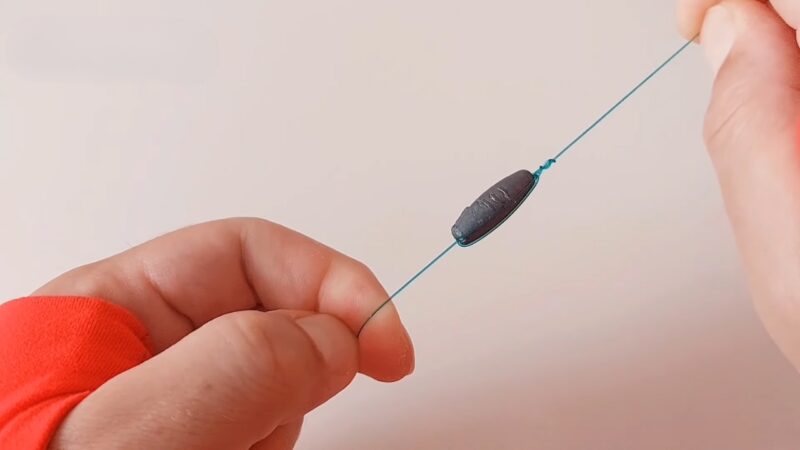
A heavier sinker creates more stress and can increase rubbing during casts and retrieves.
- ✦ Over-tightening clamp sinkers
Too much pressure can flatten the line and reduce its breaking strength.
- ✦ Ignoring damaged sinkers
Cracked or rough sinkers can create sharp contact points against your line.
Choosing the correct sinker for your fishing style
Match your sinker size to water depth, current, bait, and target species. A smaller weight often works better because it reduces unnecessary strain.
Freshwater anglers may need light weights for still water, while coastal anglers may need stronger designs for waves and current.
- ✦ Use only enough weight
Choose the smallest sinker that keeps your bait where you want it.
Best methods to prevent sinker damage to fishing line
Preventing fishing sinker damage starts with better rigging choices. Small changes can protect your line without making your setup complicated.
Many experienced anglers use protective parts between the sinker and main line. These parts reduce direct contact and help your rig last longer.
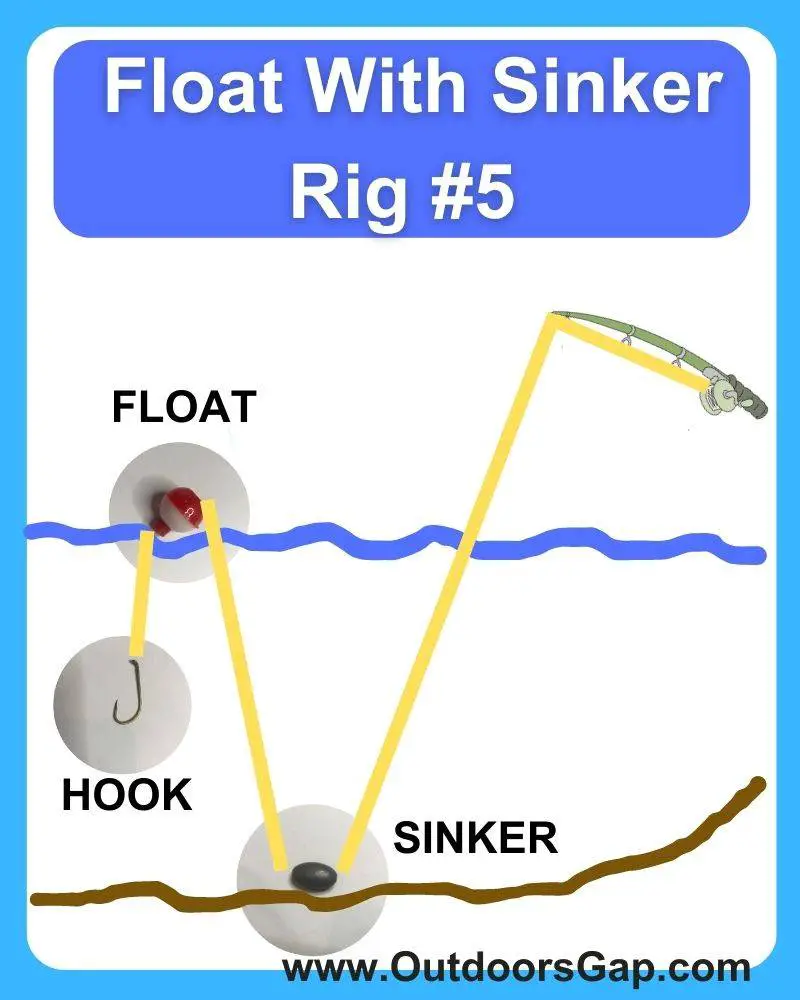
- ✦ Use sinker slides
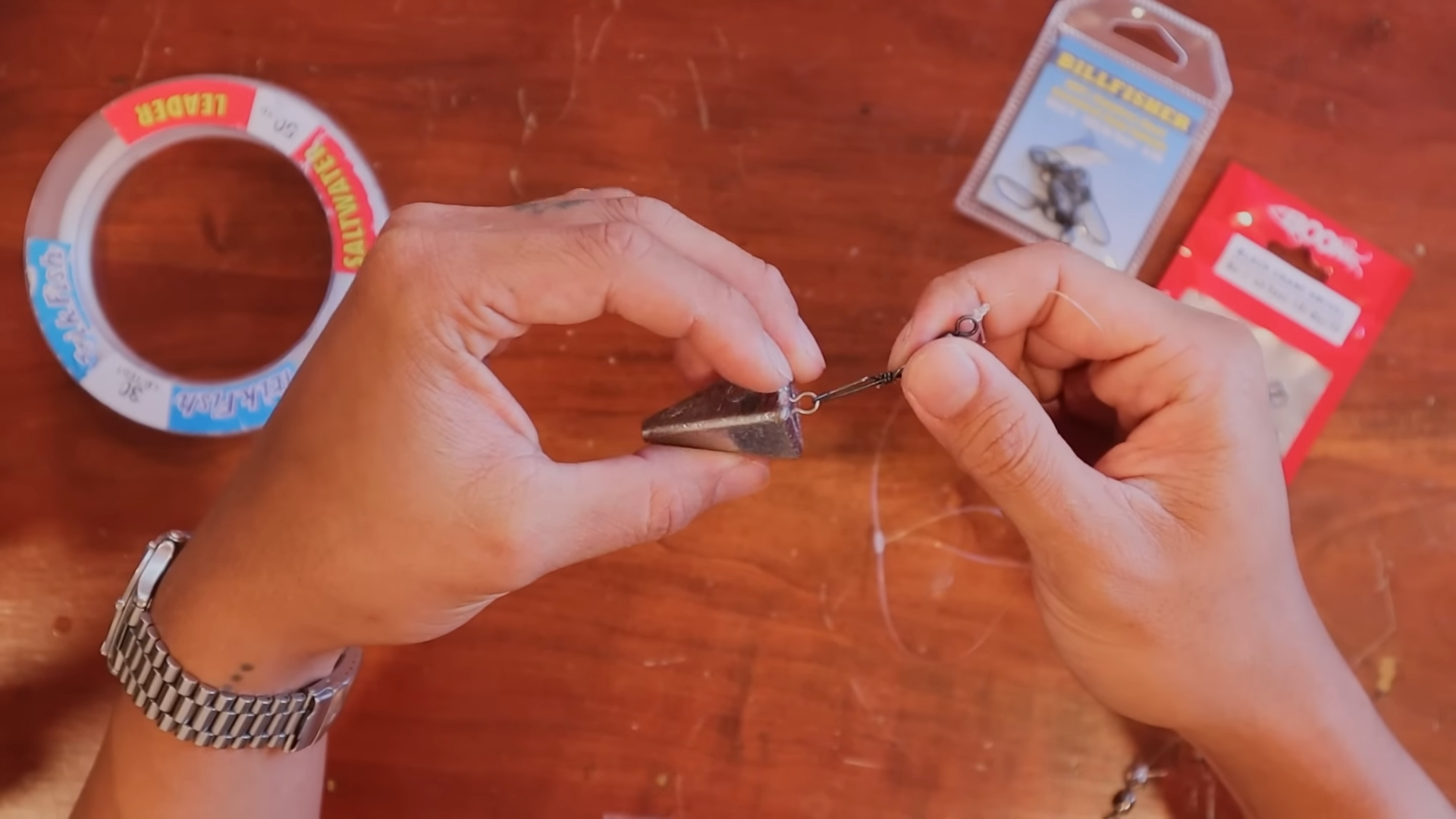
A sinker slide allows movement while reducing direct rubbing on the main line.
- ✦ Add swivels
Swivels reduce twisting and help protect line connections.
- ✦ Use quality sinkers
Smooth sinkers with clean surfaces create less wear than damaged weights.
Protective rigging options
Carolina rigs, drop shot rigs, and other setups can place the sinker away from sensitive knots and hook connections.
The right rig depends on your fishing goal, but the main idea stays the same: reduce unnecessary line contact.
- ✦ Separate weight from knots
Keeping sinkers away from important knots helps preserve connection strength.
How to inspect and repair line after sinker wear
Regular inspection is one of the easiest answers to fishing sinker damaging fishing line how to prevent. A few seconds of checking your line can prevent losing expensive lures and fish.
If you find damage near the sinker area, cut away the weak section and retie your rig. Do not trust a damaged section just because it still holds tension by hand.

- ✦ Check after every trip
Inspect areas near knots, swivels, and sinkers before your next outing.
- ✦ Replace worn line
Fresh line is safer than risking a broken connection during a fight.
Signs your fishing line has sinker damage
Look for white marks, rough texture, flat spots, cuts, or unusual stiffness. These signs often show where the sinker has weakened the line.
- ✦ Visible scratches
Small cuts can grow under pressure from a fighting fish.
Sinker safety tips for different fishing environments
The risk of sinker damage changes with the environment. Rocks, heavy current, saltwater, and repeated casting can all increase wear.
American anglers often switch between ponds, rivers, lakes, and coastal areas. Adjusting your sinker choice for each location helps prevent unnecessary line stress.

- ✦ Rocky areas
Use durable rigs and inspect line after contact with rocks or structure.
- ✦ Saltwater fishing
Rinse gear because corrosion can create rough sinker surfaces.
- ✦ Heavy current
Avoid oversized weights when lighter options can hold your bait.
Balancing sinker performance and line protection
A sinker must do its job, but more weight is not always better. Good anglers balance control, sensitivity, and line safety.
- ✦ Test before fishing
Pull gently on your rig after assembly to confirm everything moves correctly.