When anglers ask what is artificial bait, they usually want to know how fake lures can catch fish without using live worms, minnows, or insects. Artificial bait is a designed fishing tool made from materials like plastic, rubber, wood, metal, or feathers. It looks and moves like something a fish would naturally eat.
From my experience studying fishing methods, the biggest difference between beginners and skilled anglers is often lure choice and presentation. A good artificial bait does not simply look realistic. It creates movement, vibration, color, and action that trigger a fish’s hunting instinct.
What Is Artificial Bait and How Does It Work?
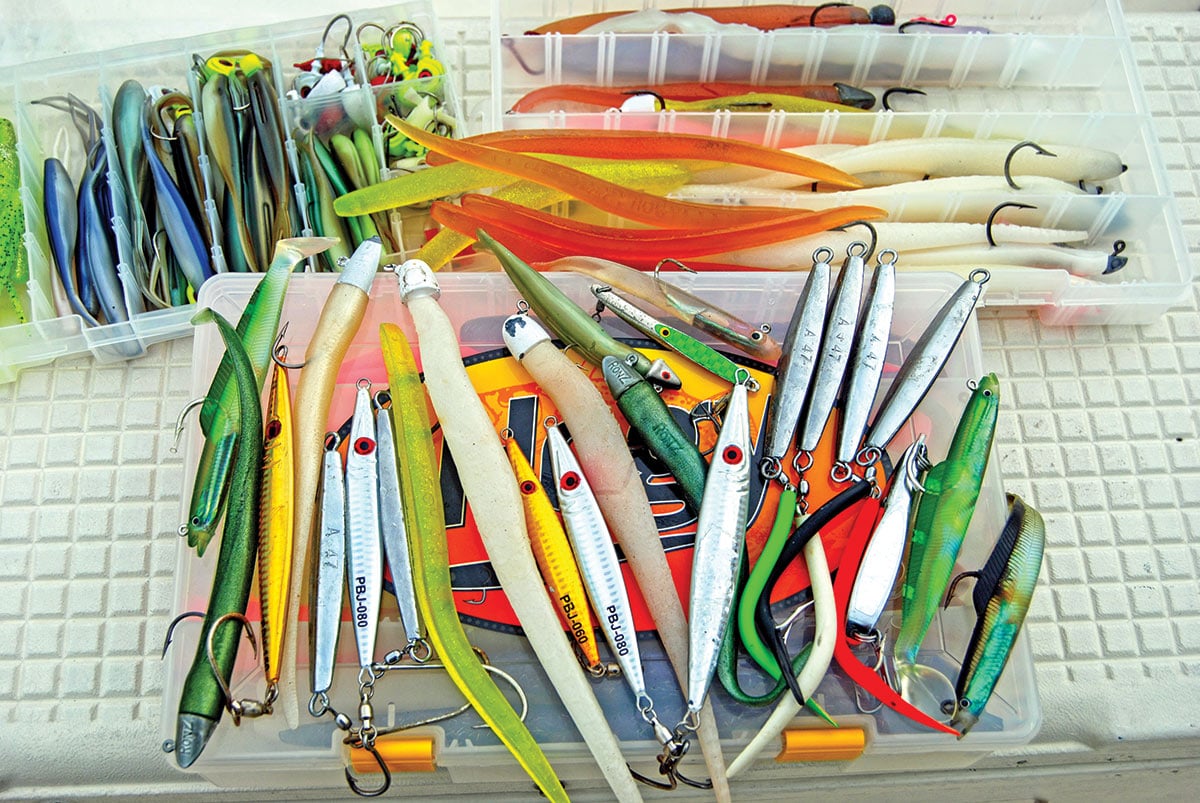
Artificial bait is a manufactured fishing lure created to attract fish without using real food. It copies the shape, color, smell, or movement of prey that fish normally hunt. Common examples include plastic worms, crankbaits, spinnerbaits, jigs, spoons, and soft swimbaits.
The main purpose of artificial bait is to trick fish into striking. Instead of relying only on scent, these lures use visual signals, vibrations, and realistic movement. Many anglers in the United States use artificial bait because it works well in lakes, rivers, ponds, and coastal waters.

- ✦ Imitates natural prey
Artificial bait copies food sources such as small fish, insects, frogs, worms, and shrimp that attract different fish species.
- ✦ Creates fish-triggering actions
Lures can produce flashes, vibrations, and movements that encourage fish to attack.
- ✦ Reusable fishing option
Most artificial lures can be used many times, making them a practical choice for regular anglers.
Why Fish Attack Artificial Baits
Fish often react to movement before they fully identify food. A fast-moving lure may trigger a predator response, while a slow presentation can imitate injured prey.
This is why artificial bait can work even when fish are not actively feeding. The right action can create curiosity or competition between fish.
Different Types of Artificial Bait Used by Anglers
Understanding what is artificial bait also means knowing the different lure categories. Each type is designed for specific fishing situations and target species.
A bass fisherman may choose a soft plastic worm, while a saltwater angler may prefer a metal jig or hard-bodied lure. The best choice depends on water depth, weather, fish behavior, and fishing style.
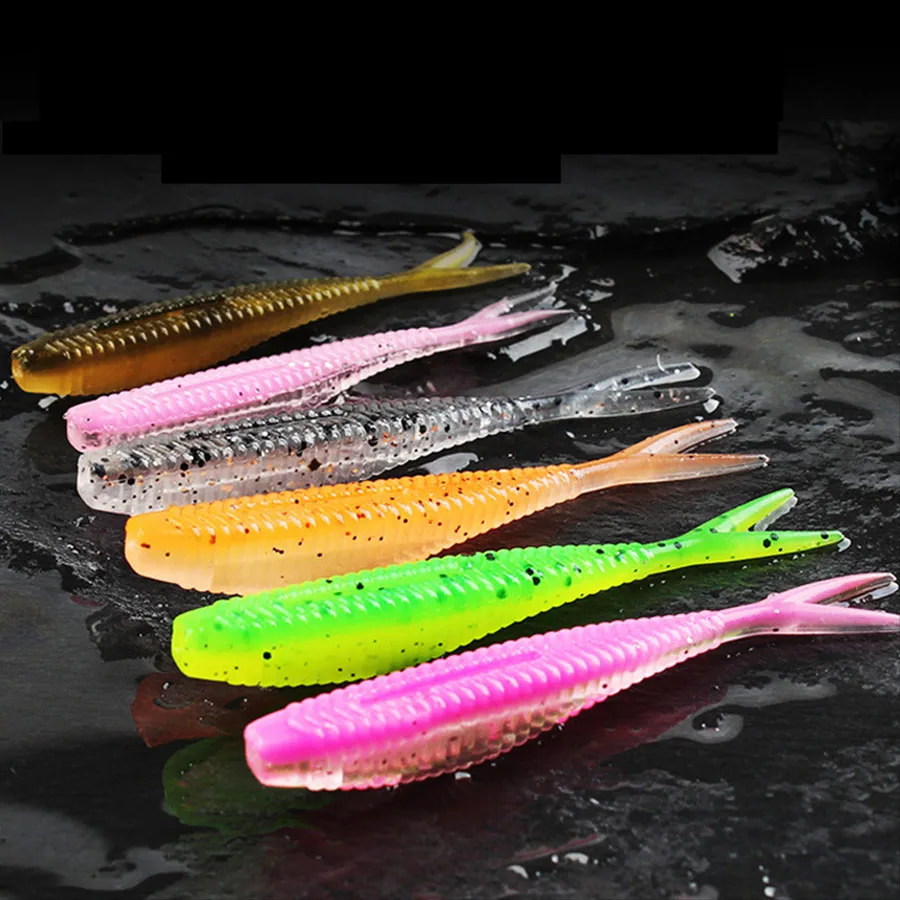
- ✦ Soft plastic lures
These flexible lures imitate worms, fish, creatures, and insects. They are popular for bass, trout, and many freshwater species.
- ✦ Hard lures
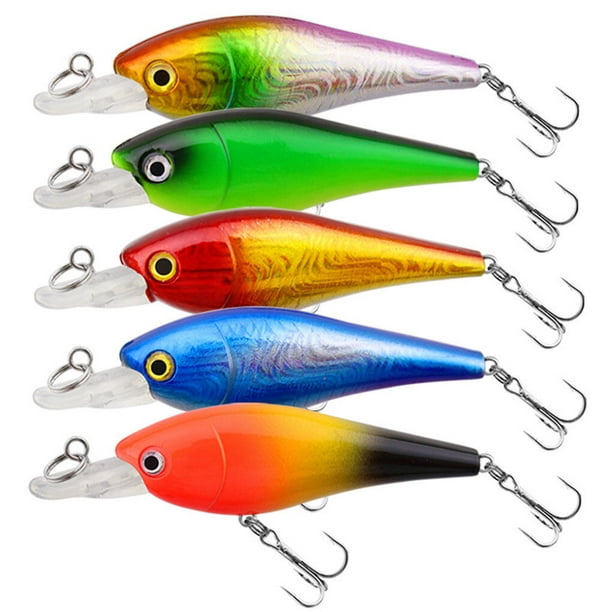
Hard-bodied lures such as crankbaits and minnows imitate swimming fish and are useful for covering large areas.
- ✦ Metal lures
Spoons and jigs use flash and vibration to attract fish in deep water or strong currents.
Artificial Bait vs Live Bait: Key Differences
Many anglers compare artificial bait with live bait before choosing their fishing setup. Live bait uses real organisms, while artificial bait uses designed materials to imitate those organisms.
Both methods can catch fish, but artificial bait gives anglers more control over presentation. It allows repeated casts and does not require keeping live bait healthy.

- ✦ Convenience
Artificial lures are easy to store and carry because they do not need water, air, or special containers.
- ✦ Control
Anglers can control speed, depth, and movement with artificial bait techniques.
- ✦ Learning curve
Artificial bait requires practice because success depends on choosing the right lure action and presentation.
When Artificial Bait May Be Better
Artificial bait is useful when anglers want to cover more water, target active fish, or practice specific techniques. It is especially common in bass tournaments and sport fishing.
Many experienced anglers prefer artificial lures because they enjoy the challenge of reading water and creating the perfect presentation.
Benefits of Using Artificial Bait for Fishing
Artificial bait offers several advantages for both new and experienced anglers. It provides flexibility and allows fishermen to adjust their approach based on changing conditions.
For many people in the USA, artificial lures are a favorite because they are simple to pack for weekend fishing trips and can be used across many different environments.
- ✦ Long-lasting performance
A quality artificial lure can survive many fishing trips when stored and maintained properly.
- ✦ Wide selection
Anglers can choose from thousands of shapes, sizes, colors, and designs.
- ✦ Less mess
Artificial bait avoids the handling and storage problems often associated with live bait.
How to Choose the Right Artificial Bait
Choosing artificial bait starts with understanding the fish you want to catch. Different species respond to different shapes, colors, and movements.
Water conditions also matter. Clear water may require natural colors, while muddy water often benefits from brighter colors and stronger vibrations.

- ✦ Match the local prey
Choose a lure that resembles the food fish already eat in that area.
- ✦ Consider water depth
Use shallow-running lures near the surface and deeper lures when fish stay lower.
- ✦ Adjust to weather
Cloudy days, bright sunlight, and changing temperatures can affect lure choice.
Common Mistakes Beginners Make With Artificial Bait
Many beginners understand what is artificial bait but struggle because they use the wrong technique. A lure works best when it matches the fishing situation.
A common mistake is changing lures too quickly without learning how to properly move one lure. Good presentation often matters more than owning a large collection.
- ✦ Using the wrong size
A lure that is too large or too small may not match what fish expect to eat.
- ✦ Ignoring movement
Artificial bait needs proper speed and action to appear realistic.
- ✦ Not studying conditions
Water clarity, season, and fish behavior should guide lure selection.
Frequently Asked Questions about what is artificial bait

fishingscouty
Contributor