Learning how to use worms for freshwater fishing is one of the best skills for new anglers. Worms are simple, affordable, and work in many lakes, ponds, rivers, and streams across the United States. From backyard ponds to large reservoirs, many anglers still trust worms because fish recognize them as natural food.
After years of testing different baits, many experienced anglers find that small changes matter. Hook placement, worm size, water depth, and fishing speed can change results. This guide explains how to use worms for freshwater fishing with practical methods that work for beginners and experienced fishermen.

Why Worms Are One of the Best Freshwater Fishing Baits
Worms have been used by anglers for generations because they match the natural diet of many freshwater fish. Fish such as bass, bluegill, crappie, trout, and catfish often feed on worms and other small creatures near the bottom.
The main reason worms work is their realistic movement and scent. A live worm creates small vibrations in the water that can attract fish even when visibility is low.
- ✦ Natural attraction
Worms look and move like real food sources found in freshwater environments.
- ✦ Easy availability
Anglers can buy worms at bait shops or collect some from suitable areas.
- ✦ Works for many species
Worms can catch both small panfish and larger game fish.
Choosing the Right Worms for Freshwater Fishing
Choosing the correct worm is an important part of learning how to use worms for freshwater fishing. Different worms create different movements and suit different fish species.
Nightcrawlers are popular for larger fish because they create strong movement. Smaller worms work well for panfish and trout because they look like smaller natural prey.

- ✦ Nightcrawlers
Large worms that work well for bass, trout, catfish, and walleye.
- ✦ Red wigglers
Smaller active worms that are excellent for bluegill and other panfish.
- ✦ Garden worms
Common worms that can work well when used with the right presentation.
How to Keep Worms Healthy Before Fishing
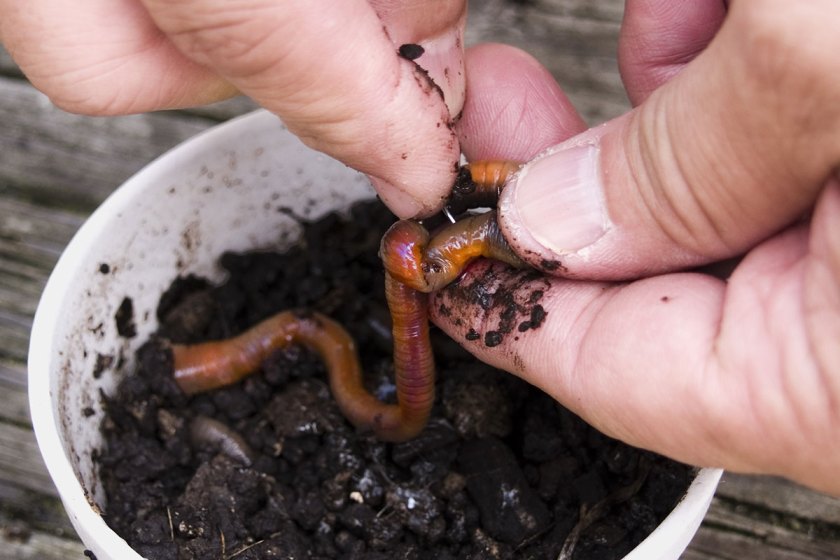
Keep worms cool and moist before use. A shaded cooler or worm container helps maintain their movement and strength.
Avoid exposing worms to direct sunlight because heat can make them weak and less effective as bait.
- ✦ Use proper storage
Store worms in damp soil or commercial bedding.
How to Hook a Worm for Freshwater Fishing
Proper hooking is one of the most important steps when learning how to use worms for freshwater fishing. A poorly hooked worm may look unnatural or fall off during a cast.
The goal is to keep the worm alive and moving while making sure the hook point stays exposed. This helps fish take the bait easily.
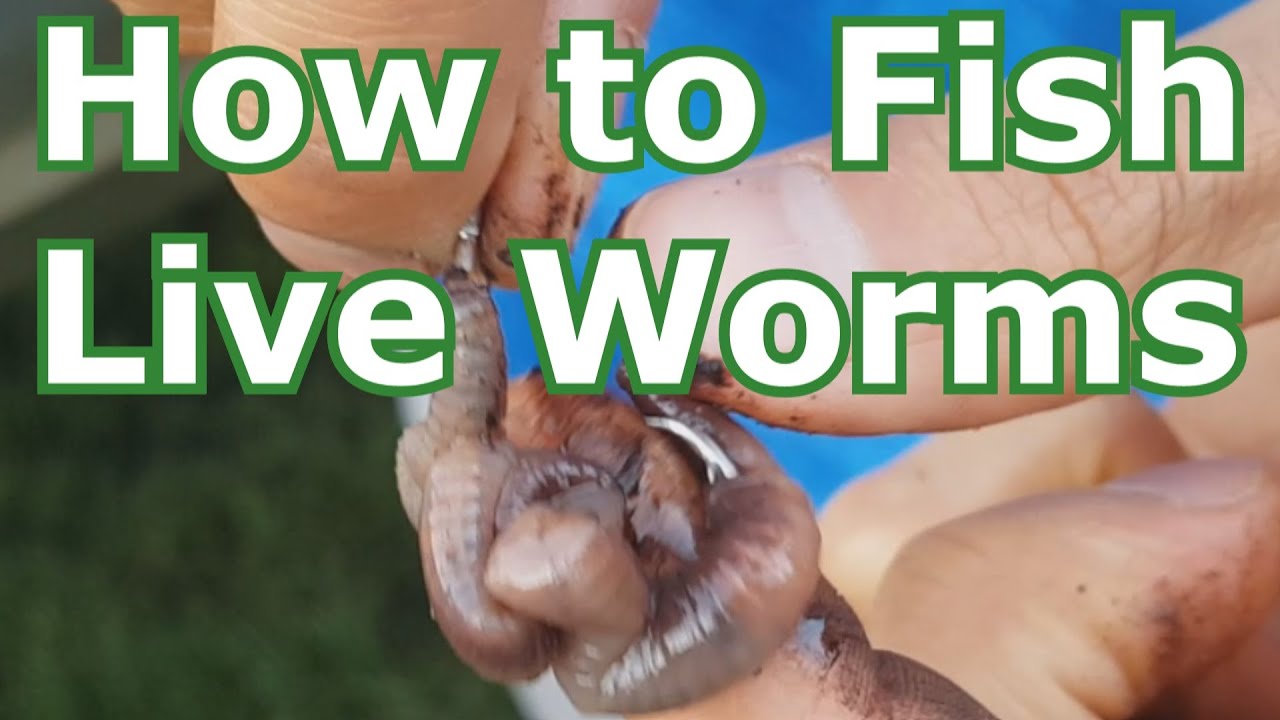
- ✦ Threading method
Push the hook through several sections of the worm to create a natural moving presentation.
- ✦ Wacky style
Place the hook through the middle of a soft worm for bass fishing.
- ✦ Small piece method
Use small worm pieces when targeting smaller fish like bluegill.
Best Worm Fishing Rigs for Lakes and Rivers
The rig you choose affects how your worm moves underwater. When deciding how to use worms for freshwater fishing, match your rig to the water depth and target species.
Simple rigs often work best. Beginners can start with a bobber setup, while experienced anglers may prefer Texas rigs or Carolina rigs for deeper water.

- ✦ Bobber rig
A beginner-friendly setup that keeps worms suspended above weeds and structure.
- ✦ Texas rig
A weed-resistant setup commonly used for bass fishing.
- ✦ Bottom rig
A good option for catfish and fish feeding near the lake floor.
Where and When to Fish Worms in Freshwater
Knowing where to place your worm is just as important as knowing how to use worms for freshwater fishing. Fish usually gather near areas that provide food, shelter, and cooler water.
Look for weed edges, fallen trees, rocks, docks, drop-offs, and shaded areas. These locations often hold fish searching for an easy meal.
- ✦ Early morning
Fish are often active and feeding near shallow areas.
- ✦ After rain
Moving water can bring natural food into rivers and streams.
- ✦ Cool seasons
Worms can remain effective when fish move slower.
Common Mistakes When Fishing With Worms
Many beginners struggle because they focus only on the bait and ignore presentation. Learning how to use worms for freshwater fishing requires patience and attention to small details.
Avoid using worms that are dry, oversized, or poorly attached. A natural-looking bait will usually perform better.
- ✦ Using the wrong hook size
Large hooks can make small worms look unnatural.
- ✦ Moving too fast
Many fish need time to notice and approach a worm.
- ✦ Ignoring local rules
Always check fishing regulations for bait use in your area.
Frequently Asked Questions about how to use worms for freshwater fishing

fishingscouty
Contributor