Yes — baitcasters can be excellent for trout when matched to the right gear and conditions.
I have fished trout with baitcasters for years. I will explain when are baitcasters good for trout fishing, how to set them up, and what lures and techniques work best. I use clear, practical advice from personal tests and expert practice to help you decide if a baitcaster belongs in your trout box. Read on to learn real tips, mistakes to avoid, and quick wins for better trout days.

Why baitcasters can work for trout
Baitcasters give control. They let you place small lures with fine accuracy. That control matters when trout sit near structure or under overhangs. For bigger trout and tight cover, a baitcaster offers power you need.
Baitcasters also handle heavier lines. That helps when trout hide in wood or deep holes. With the right reel and tuning, baitcasters can deliver smooth casts with light lures suited for trout.
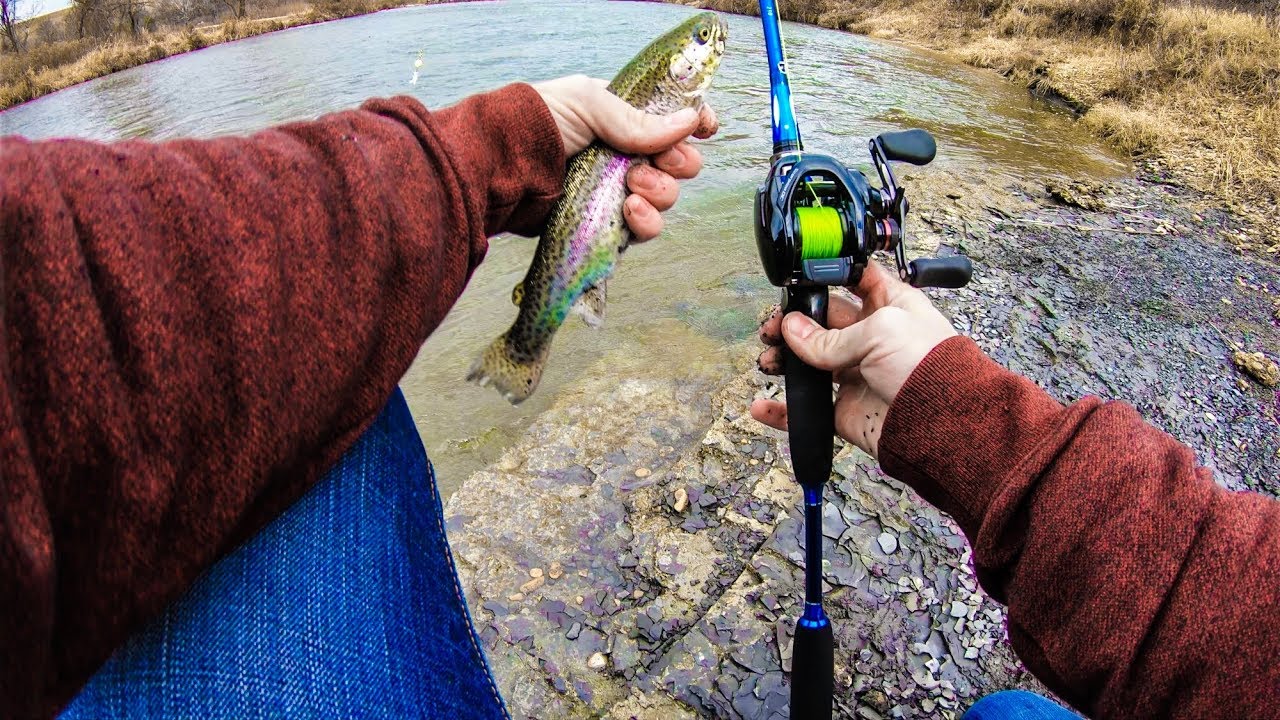
Advantages of using baitcasters for trout
- Better casting accuracy for pinpoint presentations. This helps when trout are spooky.
- Stronger drag and cranking power for fighting big trout. You can control fish near snags.
- Efficient line pick-up for faster retrieves. That helps when using crankbaits or small swimbaits.
- Durable build for river work and heavy cover. Baitcasters tolerate bumps better than some spinning reels.
- Low line twist compared to spinning gear. This keeps your setup working well over many casts.
Using baitcasters for trout fishing can be a game changer in specific spots. If you often fish heavy water or need pinpoint casts near structure, the benefits show fast.
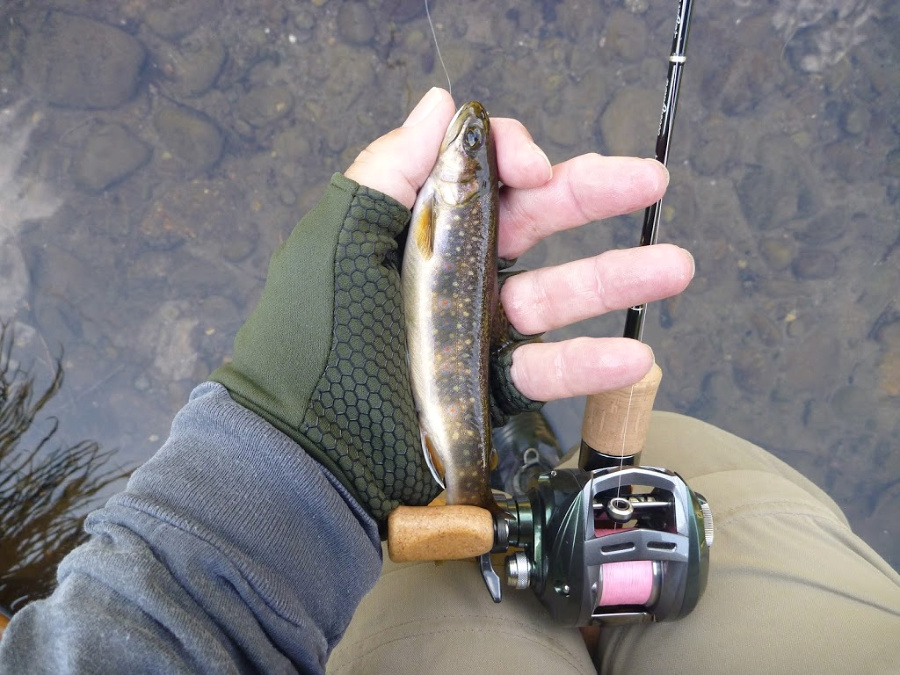
Drawbacks and limitations
Baitcasters are not always ideal for trout. They can be heavier than spinning gear. This matters on long walks or when you need a very light setup.
Baitcasters need tuning. You must set the spool tension and brake. A poor setup causes backlashes. Backlashes waste time and scare trout.
Small lures need care. Very light baits below 1/8 ounce can be hard to cast. If you mostly fish tiny baits or delicate presentations, a spinning rod may be easier.

Choosing the right baitcaster setup for trout
Pick a low-profile baitcaster sized for light line. Look for reels rated for 6–10 pound test lines. Choose a reel with a smooth drag and adjustable brake.
Match the reel to a fast, light rod. Use a rod with power rated light to medium. A 6'6" to 7' rod gives good control. Use braided or fluorocarbon line in the 6–12 pound range. Fluorocarbon helps with stealth in clear water.
Adjust settings before you fish. Set spool tension so a lure falls slowly when you release the spool. Then tune the brake to stop minor overruns. Test with several casts until you get a clean release.

Techniques and lures: how to fish trout with a baitcaster
Use small crankbaits and tiny inline spinners. Both work well on baitcasters sized for trout. Try soft plastics on light jig heads for structure shots. Use slow, steady retrieves for wary trout.
Target deep runs and pocket water. Cast upstream and let bait move naturally. Use pauses and twitches when trout are finicky.
Personal tip from my trips: I lost fish early on by using too heavy lures. Switching to 1/8 ounce jigs and fluoro line made hookup rates jump. Tune spool and brake each morning and after weather changes.
Best situations to use a baitcaster for trout
- When fishing big rivers where wind can foul spinning reels.
- When trout hide near heavy cover like fallen trees or rock shelves.
- When you need to cast larger, deeper-running lures for big trout.
- When trolling from a boat with heavier lures and lines.
In these spots, are baitcasters good for trout fishing? Yes. They give the control and strength needed for tough conditions.

Alternatives: when a spinning or fly setup is better
Choose spinning gear for very light baits and ultrafine presentations. Spinning reels cast tiny lures easier. Fly rods beat baitcasters for delicate dry-fly work and long-line presentations.
If you mainly fish small streams or tight, clear water where stealth matters, a spinning or fly rod is often a smarter choice. Use a baitcaster when power and accuracy in heavier water are the priority.
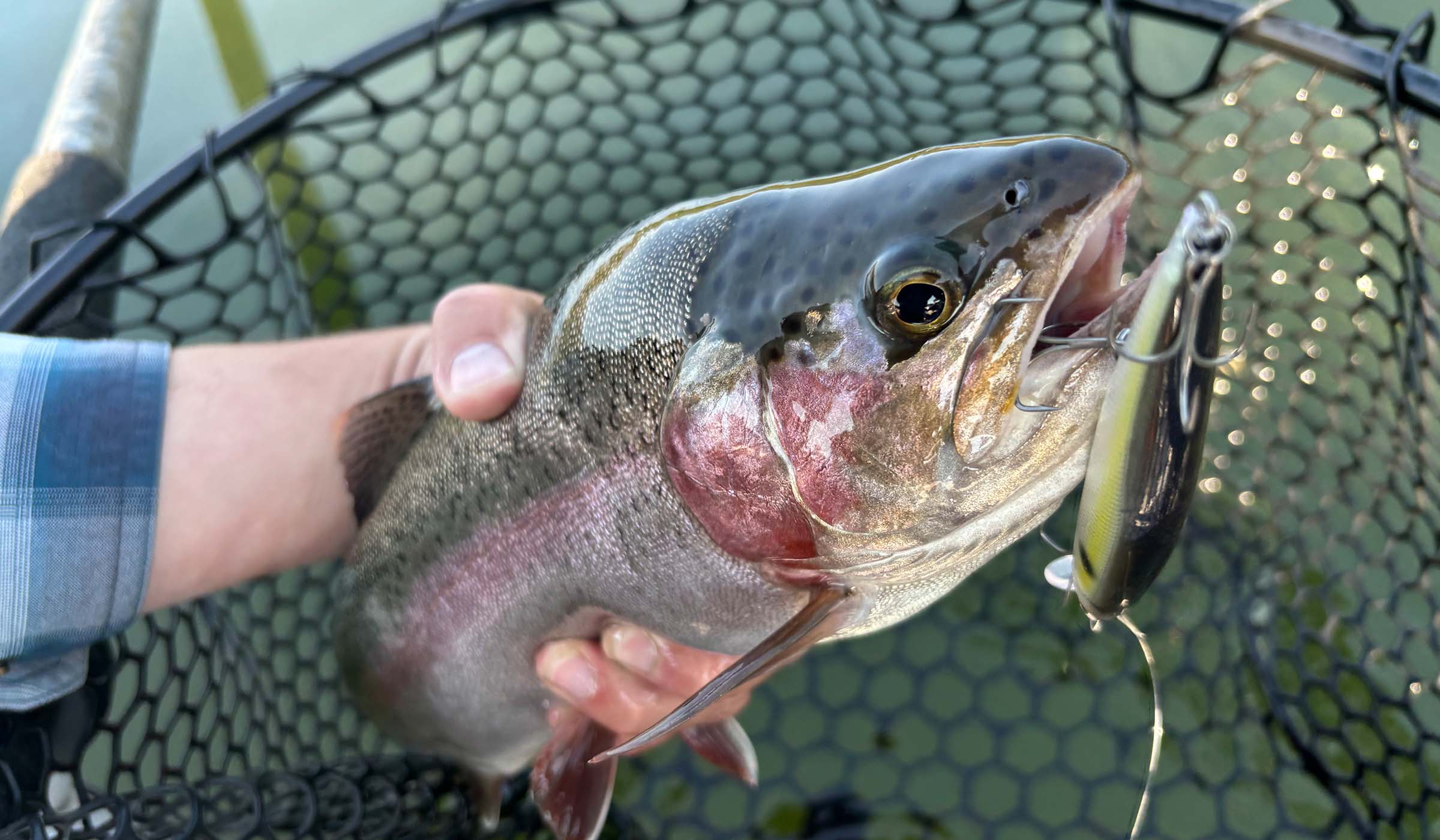
Practical checklist before you fish trout with a baitcaster
- Check spool tension with the lure attached.
- Test the brake system with short casts.
- Use 6–12 pound fluoro or light braid with a fluoro leader.
- Carry a spare spool or light reel for very small baits.
- Practice casts in an open area to avoid backlashes.
This short checklist keeps your day smooth. Small prep saves lost fish and time on the water.

Frequently Asked Questions of are baitcasters good for trout fishing
Are baitcasters harder to learn than spinning reels?
Yes. Baitcasters have a learning curve. Practice spool tension and braking in a backyard before the river.
What lure weights work best on a baitcaster for trout?
Aim for 1/8 to 1/4 ounce lures. Heavier baits also work for deep runs and bigger trout.
Can I use light line on a baitcaster for trout?
You can. Use quality 6–10 pound line and fine-tune reel settings to prevent backlashes.
Do baitcasters help catch bigger trout?
They do. Baitcasters offer stronger drag and better leverage for big trout near cover.
Should beginners try baitcasters for trout right away?
Beginners can try them but should practice first. Start with heavier light lures to reduce backlashes.
Conclusion
Baitcasters can be excellent tools for trout when matched to the right gear and conditions. They offer accuracy, power, and durability for big water and heavy cover. At the same time, they need setup and practice and are not the best choice for ultra-light or very delicate presentations.
Try a baitcaster on a local river day and tune your reel before casting. Learn to set spool tension and brakes. If you like control and power, add a baitcaster to your trout kit. Share your experiences, ask questions, or subscribe for more gear and technique tips — and tight lines on your next trout trip.