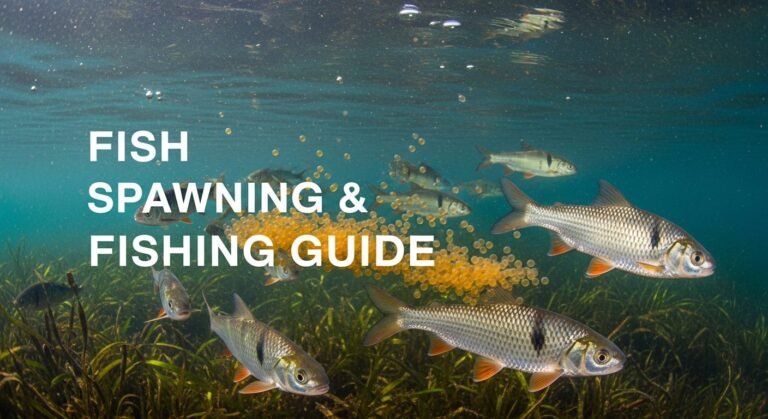
If you have ever watched a small baitfish move through clear water, you have seen exactly what a good swimbait tries to copy. A swimbait uses body shape, tail movement, and water pressure to create a natural action that attracts predator fish like bass.
Understanding how does a swimbait work helps anglers make better choices on the water. After years of testing different lure styles, many experienced fishermen learn that the small details matter most, including retrieve speed, rigging style, and how the bait moves at different depths.

What Is a Swimbait and Why Does It Work?
A swimbait is a fishing lure designed to look and move like a real fish. It often copies common prey such as shad, minnows, and small sunfish that bass naturally eat.
The reason a swimbait works so well is simple. It combines realistic appearance with realistic movement. When pulled through water, the lure creates vibrations and motion that tell nearby predators there is an easy meal available.

- ✦ Realistic Shape
Swimbaits often have detailed bodies, natural colors, and fish-like profiles that match local baitfish.
- ✦ Natural Movement
The lure moves side to side and creates a swimming action similar to a live fish.
The Main Parts That Create Swimbait Action
Every part of a swimbait affects how it moves. The body controls stability, while the tail creates the main swimming motion that attracts fish.
- ✦ Paddle Tail
A paddle tail pushes water and creates a strong kicking action that bass can detect.
- ✦ Jointed Body
Multi-section bodies create extra movement and a more natural swimming pattern.
How Does a Swimbait Work Underwater?
To understand how does a swimbait work underwater, imagine a small fish trying to escape a predator. A properly designed swimbait creates the same signals that a real baitfish produces.
The tail moves with each pull of the line, while the body rolls slightly from side to side. This movement creates pressure waves that fish can feel through their lateral line.

- ✦ Visual Attraction
The realistic profile catches the attention of fish that are hunting by sight.
- ✦ Water Vibration
The moving tail creates vibrations that help fish locate the lure.
- ✦ Natural Fall
Many swimbaits continue to look alive while sinking between retrieves.
How Fish React to Swimbait Movement
Predator fish often attack swimbaits because the movement looks like an injured or unaware baitfish. This triggers a natural feeding response.
- ✦ Chasing Response
Fast movement can trigger aggressive fish to chase and strike.
Different Types of Swimbaits and How They Move
Swimbaits come in different designs, and each type creates a unique action. Choosing the right style depends on water conditions, target species, and fishing depth.
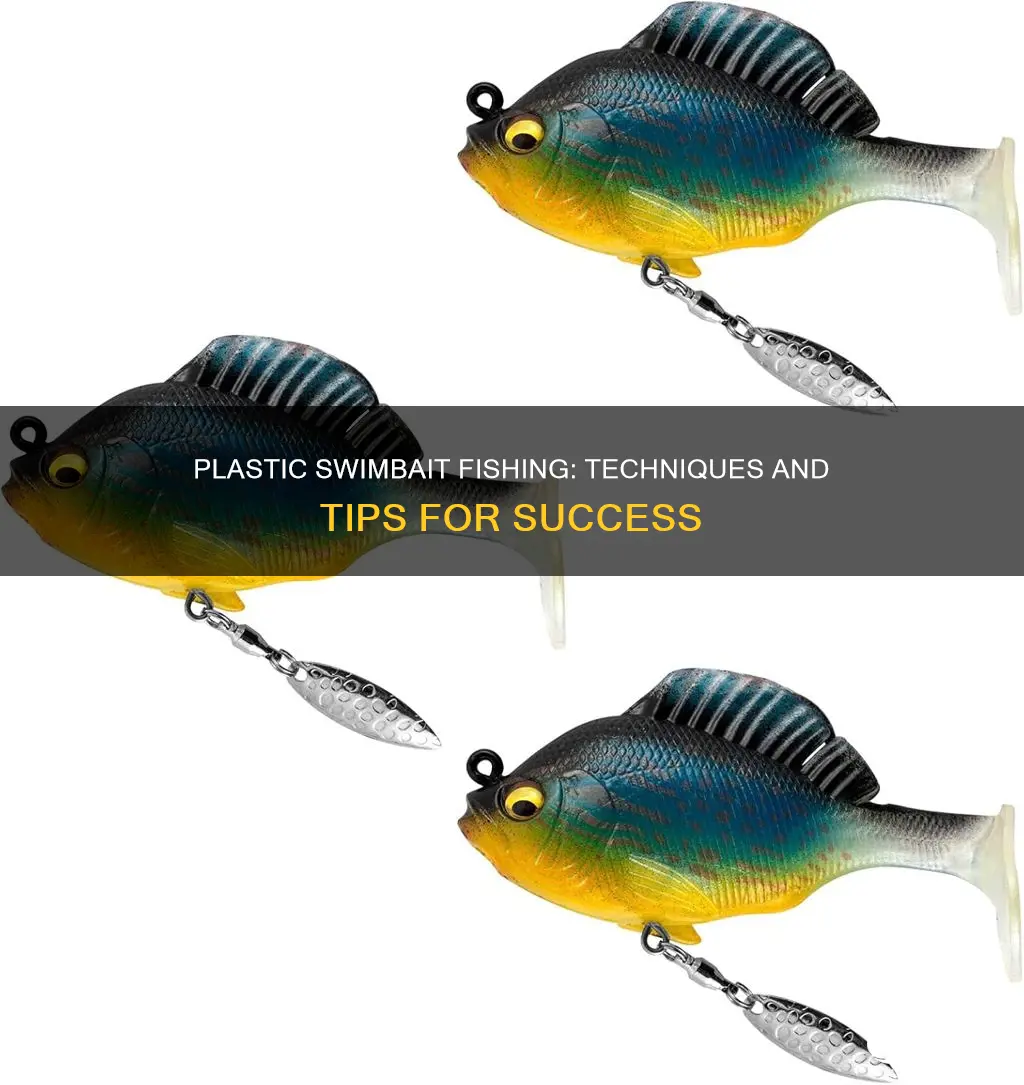
Soft plastic swimbaits are popular because they are flexible and create a smooth swimming motion. Hard swimbaits often provide stronger movement and can imitate larger prey.

- ✦ Soft Plastic Swimbaits
These use flexible materials to create a natural tail kick and lifelike movement.
- ✦ Hard Body Swimbaits
These use solid materials and joints to create realistic side-to-side swimming.
- ✦ Glide Baits
These move with a wide sweeping action that imitates larger fish.
How to Rig a Swimbait for the Best Action
Rigging changes how a swimbait moves in the water. A poor setup can reduce natural action, while the right setup allows the lure to swim freely.
Many bass anglers use jig heads, weighted hooks, or weedless hooks depending on where they fish. The goal is to keep the bait balanced and natural.

- ✦ Jig Head Rig
A jig head adds weight and helps control depth during steady retrieves.
- ✦ Texas Rig
A weedless setup works well around grass, wood, and heavy cover.
- ✦ Underspin Rig
A flashing blade adds extra attraction in clear water.
Why Rig Balance Matters
A balanced rig lets the swimbait swim naturally instead of spinning or moving unnaturally. Small adjustments in hook size and weight can make a big difference.
How Retrieve Speed Changes Swimbait Action
Retrieve speed is one of the biggest factors when learning how does a swimbait work. A slow retrieve keeps the bait near the bottom, while a faster retrieve makes it look like a fleeing fish.
The best speed depends on water temperature, fish activity, and the depth where bass are feeding.
- ✦ Slow Retrieve
Useful when fish are inactive or holding in deeper water.
- ✦ Medium Retrieve
A steady pace works well for searching large areas.
- ✦ Fast Retrieve
A quick retrieve can trigger reaction strikes from aggressive fish.
When and Where to Use a Swimbait
Swimbaits work across many U.S. fishing conditions, from clear lakes to reservoirs with heavy bass populations. They are especially effective when bass are feeding on baitfish.
Many anglers use swimbaits during spring and fall when baitfish activity increases. However, the right setup can produce fish throughout the year.
- ✦ Clear Water
Natural colors and realistic movement help fool cautious fish.
- ✦ Baitfish Areas
Points, flats, and creek channels are common places to use swimbaits.
- ✦ Seasonal Feeding
Matching local prey patterns improves success.
Frequently Asked Questions about how does a swimbait work

fishingscouty
Contributor