Many anglers ask what is a fish finder because these devices have become common tools for recreational and professional fishing. A fish finder helps you see what is happening below the water surface by sending sound waves and reading the returning signals.
From my experience studying fishing gear and marine electronics, the biggest advantage of a fish finder is not simply finding fish. It helps anglers understand water depth, bottom structure, vegetation, and areas where fish may gather.

What Is a Fish Finder and How Does It Work?
Understanding what is a fish finder starts with learning about sonar. Sonar means sound navigation and ranging. The device sends sound waves into the water and measures how long they take to return after hitting objects.
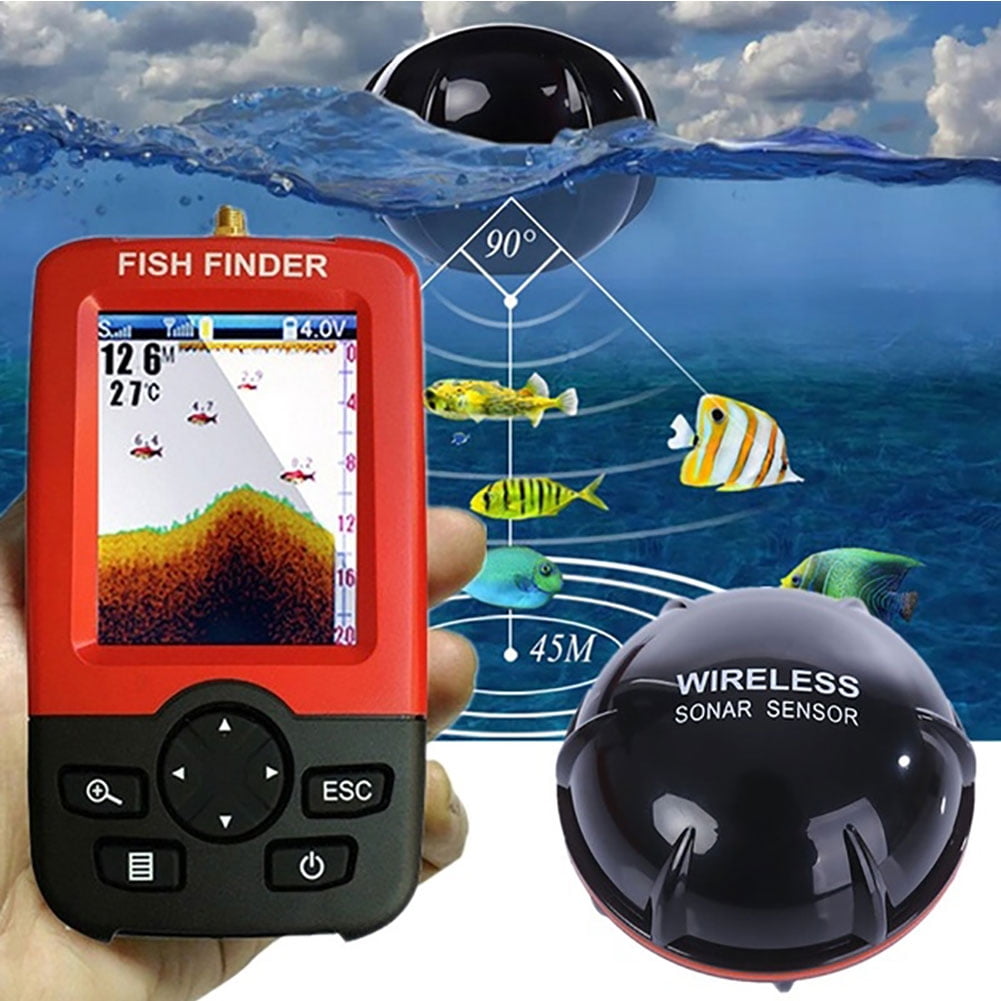
The fish finder turns these signals into images on a screen. The display may show fish symbols, depth numbers, underwater shapes, and the lake or ocean floor.

- ✦ Transducer
The transducer sends sonar signals into the water and receives echoes from underwater objects.
- ✦ Display Unit
The screen shows sonar information in a format anglers can understand.
- ✦ Sonar Processing
The device analyzes returned signals to create an underwater view.
The Role of Sonar Waves
A fish finder does not use a camera to see underwater. Instead, it uses sound waves that travel through water. The strength and timing of echoes help the unit estimate depth and identify objects.
- ✦ Sound Reflection
Hard surfaces like rocks create stronger echoes than soft mud bottoms.
Main Parts of a Fish Finder System
A modern fish finder includes several parts that work together. Learning these parts makes it easier to understand what is a fish finder and how it supports better fishing decisions.
Most systems are designed for simple use. Even beginners can learn to read basic sonar screens after spending time on the water.

- ✦ Transducer Mount
The transducer can be mounted on a boat hull, trolling motor, or used as a portable sensor.
- ✦ Screen
The display provides sonar images, depth readings, and other fishing information.
- ✦ Power Source
Most fish finders use boat batteries or rechargeable portable power packs.
Different Types of Fish Finders
When researching what is a fish finder, it helps to know that several types exist. Each type serves different anglers, from casual lake fishermen to offshore boat owners.
Portable models work well for kayak anglers and people who fish from different locations. Fixed units often provide more power and advanced features for boats.

- ✦ Portable Fish Finders
These compact units are easy to carry and work well for shore, kayak, and small boat fishing.
- ✦ Boat Mounted Fish Finders
These permanent systems offer stronger performance and larger screens.
- ✦ GPS Fish Finders
These combine sonar with mapping tools to mark fishing locations and navigation routes.
Traditional Sonar vs Advanced Imaging
Basic sonar shows depth and fish activity. Advanced imaging systems create clearer views of structures, vegetation, and underwater areas.
- ✦ Clearer Detail
Advanced sonar can help anglers recognize underwater features more easily.
Benefits of Using a Fish Finder
A fish finder can save time by helping anglers locate promising areas faster. Instead of guessing, you can study water depth and structure before casting.
The value of a fish finder goes beyond locating fish. It teaches you how underwater environments change and how fish relate to those changes.
- ✦ Find Productive Areas
Anglers can identify drop-offs, channels, and underwater structures where fish may gather.
- ✦ Improve Fishing Efficiency
Less time is spent searching without information.
- ✦ Learn Water Conditions
Depth and bottom details provide useful clues about fishing locations.
How to Read a Fish Finder Screen
Knowing what is a fish finder is only the first step. Learning to read the display helps you get real value from the device.
New users often focus only on fish icons, but experienced anglers study the entire screen. Depth changes, bottom hardness, and structure often provide the best clues.

- ✦ Depth Reading
Shows how deep the water is below the transducer.
- ✦ Fish Arches
Many sonar units display fish as arches or marks based on signal strength.
- ✦ Bottom Line
Shows the shape and condition of the underwater floor.
How to Choose the Right Fish Finder
The best fish finder depends on how and where you fish. A kayak angler on a small lake may need a different system than an offshore fisherman.
Before buying, consider screen size, sonar type, portability, GPS features, and installation needs. A simple fish finder can be enough for many beginners.
- ✦ Fishing Location
Choose a model based on lakes, rivers, coastal waters, or deep ocean use.
- ✦ Budget
Entry-level units provide basic sonar while premium models add advanced features.
- ✦ Ease of Use
Beginners often benefit from simple menus and clear displays.