Many anglers have experienced the same frustrating moment: fish were hitting every cast, then suddenly nothing happens. Understanding why do fish stop biting helps you adjust instead of wasting hours using the same approach.
After years of watching anglers on U.S. lakes, rivers, and coastal waters, one lesson stands out. Fish rarely disappear without a reason. They respond to changes in weather, food, water, and their surroundings.
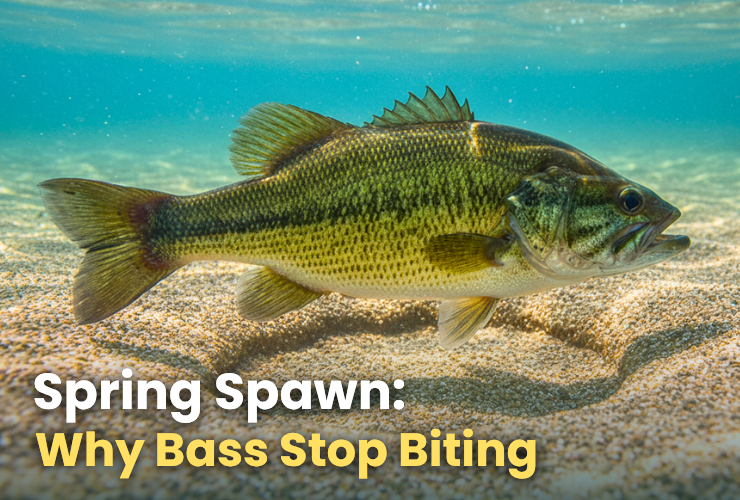
Fish stop biting when weather conditions change
Weather is one of the biggest reasons anglers ask why do fish stop biting. Fish feel changes in their environment before humans notice them.
A sudden cold front, bright sun, strong wind, or storm system can change where fish hold and how often they feed.

- ✦ Cold fronts
Cold air can slow fish metabolism. Many species move deeper and become less aggressive.
- ✦ Wind changes
Wind can improve fishing by moving food, but extreme wind may make fish harder to locate.
- ✦ Storm pressure
Rapid weather shifts may cause fish to change feeding behavior before storms arrive.
How barometric pressure affects fishing
Many anglers connect pressure changes with fishing success. While pressure is only one factor, changing conditions often match changes in fish activity.
The best response is to watch the full pattern, including temperature, wind, water clarity, and recent catches.
Water temperature changes can reduce fish activity
Fish are cold-blooded animals, so water temperature strongly affects their movement and feeding habits. When temperatures move outside their preferred range, they may become less active.
Bass, trout, crappie, and other popular U.S. game fish often change depth when water conditions shift.

- ✦ Fish move deeper
During temperature changes, fish may leave shallow areas and hold in more stable water.
- ✦ Slow presentations work
A slower lure movement can match the reduced energy level of inactive fish.
Fish may stop biting because of fishing pressure
Heavy fishing pressure can make fish more cautious. Fish that see many boats, lures, and anglers may become harder to catch.
This is common on popular lakes and rivers where fish experience repeated contact with artificial lures.

- ✦ Use natural presentations
Smaller lures, lighter line, and slower movements can appear less threatening.
- ✦ Change locations
Finding less disturbed areas can put you around more comfortable fish.
Fish stop biting when food sources change
Fish do not always want the same bait every day. Their natural food supply changes with seasons, water flow, and local conditions.
A lure that worked yesterday may fail today because fish are focused on different prey.
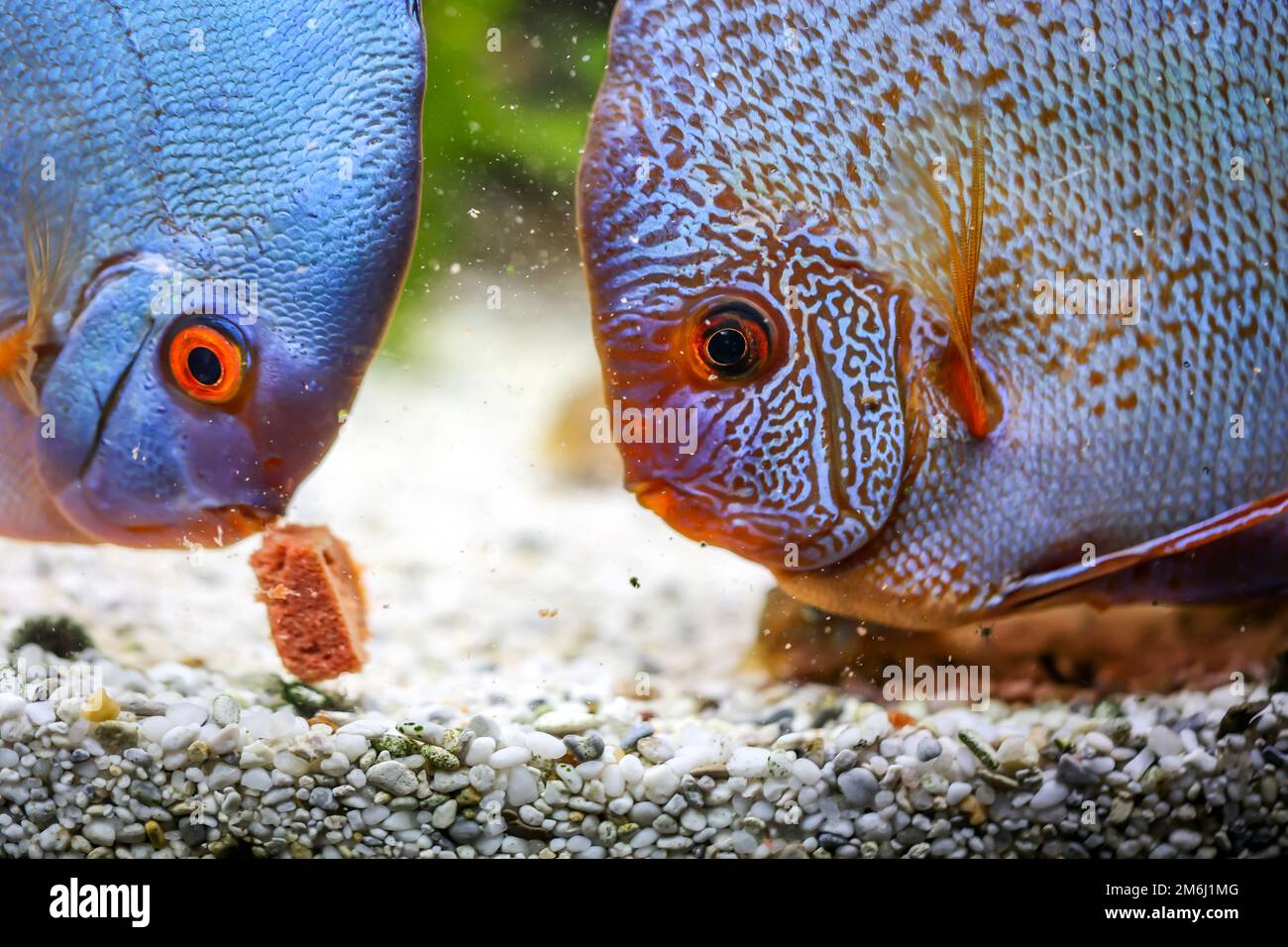
- ✦ Match local forage
Choose colors, sizes, and movements that resemble what fish are already eating.
- ✦ Watch the water
Insects, baitfish, and surface activity can reveal what fish are feeding on.
Time of day can explain why fish stop biting
Fish activity often follows daily patterns. Many species feed more during low-light periods, such as early morning and evening.
Midday fishing can still produce results, but fish may move and require different tactics.

- ✦ Morning activity
Cooler water and lower light often encourage feeding near the surface.
- ✦ Evening feeding
Some fish become active again as sunlight fades.
Your fishing technique may be the reason fish stop biting
Sometimes the fish are present, but the presentation is wrong. Speed, depth, lure action, and location all influence whether a fish strikes.
Small changes often make the biggest difference when fish become difficult.
- ✦ Change lure speed
Try faster or slower retrieves until you match fish behavior.
- ✦ Change depth
Fish may be nearby but feeding several feet above or below your lure.