Fish early or late, target deeper or shaded water, use slow, smaller baits, and stay cool and safe.
I’ve spent decades fishing through summers that felt endless. I’ll show you how to fish in hot weather with simple, proven tactics. This guide blends hands-on experience, practical tips, and science-backed ideas to help you catch fish when the sun is high and water gets warm. Read on for gear choices, bait ideas, timing, safety tips, and tricks I use on hot days.

Understand fish behavior in hot weather
Fish change where they live and how they feed when water warms. Warm water holds less oxygen. Fish slow their metabolism. They move to cooler, deeper water, release cover, or gather near inflows and springs. Knowing those shifts is the first step to catching fish in hot weather.
Common reasons fish move in heat:
- Oxygen drops in shallow, warm water, so fish seek deeper pockets.
- Fish follow cooler currents near inflows or shaded banks.
- They feed less and prefer lower-energy prey.
PAA-style questions:
- Will fish bite in hot weather? Fish will bite, but less often. Target cooler areas and use slower, smaller baits to draw strikes.
- Where do fish hide when it’s hot? They hide in shade, deep holes, under docks, or near spring-fed areas where water stays cooler.
Best times and locations for hot-weather fishing
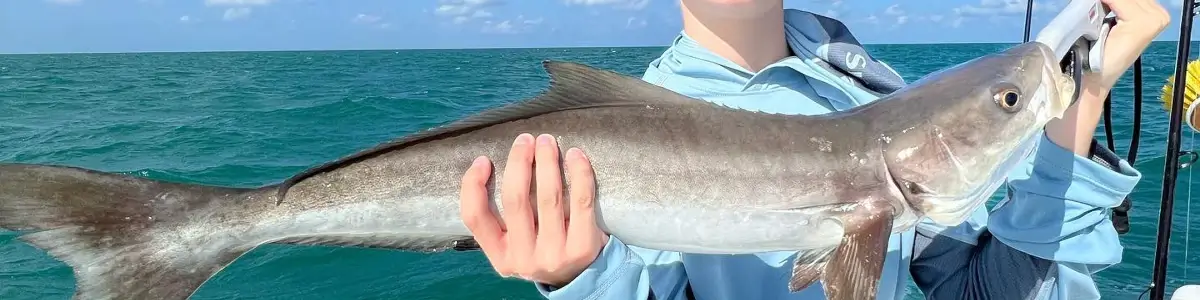
Timing is key when learning how to fish in hot weather. Early morning and late evening are prime times. Midday can work if you target the right spots.
Prime time windows:
- Dawn and dusk provide cooler temps and active feeding.
- Cloudy days extend activity into mid-morning and late afternoon.
- Night fishing is great for many species in summer.
Top places to focus:
- Deep channels, drop-offs, and underwater structure.
- Shaded shorelines and undercut banks.
- Inflows, springs, or thermal breaks where cool water enters warm water.
- Vegetated edges where food concentrates but oxygen may be higher.

Gear and tackle adjustments for hot-weather fishing
Adjust gear to match slow bites and deeper strikes. Small changes make big differences.
Rod and reel choices:
- Use rods that give good sensitivity for light bites.
- Choose reels with smooth drag for careful fights in warm water where fish are stressed.
Line and leader:
- Use lighter line to present small baits naturally.
- Fluorocarbon leaders help with low-visibility bites in clear, warm water.
Lures and bait size:
- Downsize your lure profile. Smaller baits mimic tired prey.
- Slow-sinking jigs, soft plastics, and finesse setups work well.
Electronics and accessories:
- Use fish finders to locate thermoclines and deeper holds.
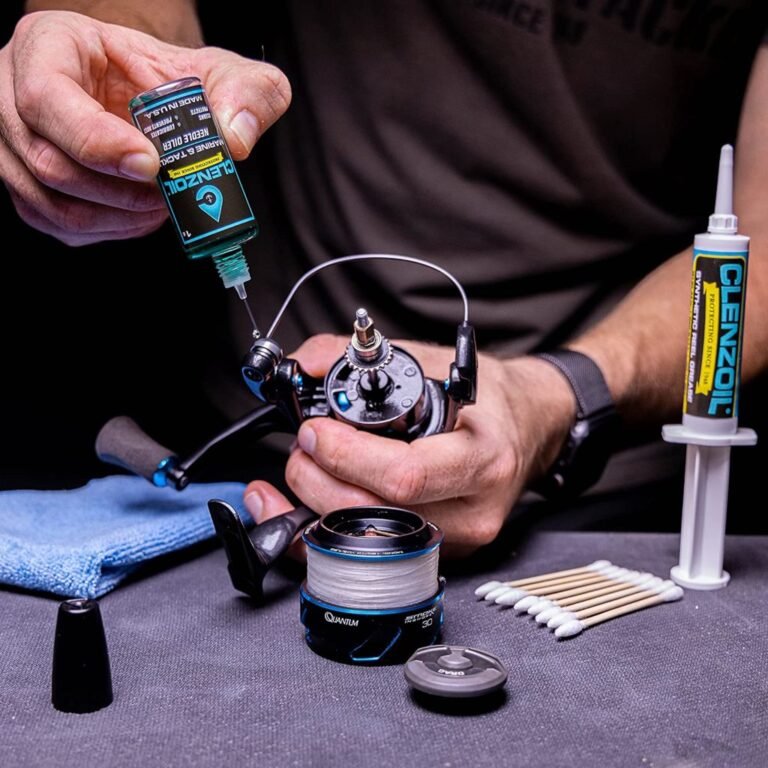
- Carry a thermometer to check water temps and find cool pockets.
Baits and presentations that work in heat
Presentation is as important as location when fishing in hot weather. Slow movement and subtle action win more bites.
Best bait types:
- Live bait: small shad, shrimp, and nightcrawlers are effective.
- Soft plastics: finesse worms, small swimbaits, and subtle grubs.
- Jigs: slow hops on the bottom mimic lethargic prey.
Presentation tips:
- Slow your retrieve and pause more often.
- Work lures close to structure and let them sit on a pause.
- Fish slowly near drop-offs and along the thermocline.
Sample setups:
- Finesse jig with a small plastic trailer for bass.
- Carolina rig with small live shad for deep-feeding fish.
- Floating fly or popper in low light or over shaded flats.
 specific species in hot weather”
style=”max-width: 100%; height: auto; border: 2px solid black; border-radius: 10px; display: block; margin: 0 auto;”
loading=”lazy”
/>
Techniques for specific species in hot weather
Tailor your tactics to the species you target. Fish react differently to heat.
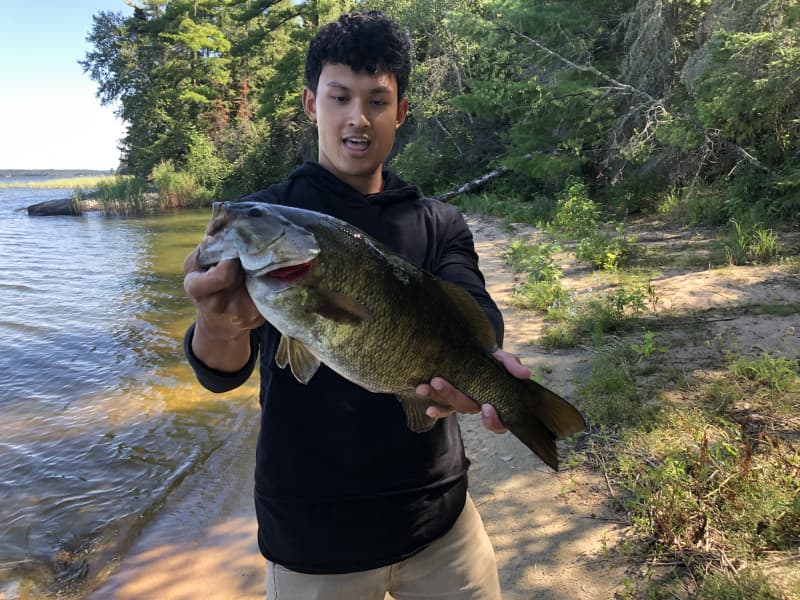
Bass
- Fish deeper structures and shady edges.
- Use slow-moving jigs, drop-shot rigs, and small chatterbaits.
Trout
- Seek cool springs and tailwaters.
- Use small nymphs, wet flies, and scent-free presentations.
Panfish (bluegill, crappie)
- Target shaded vegetation and brush piles.
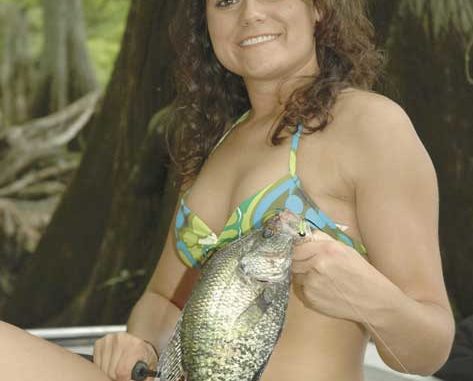
- Use light tackle and small live bait or micro jigs.
Catfish
- Look for deep holes and current breaks.
- Use cut bait, shrimp, and night baits; fish at dawn, dusk, or night.
Walleye and pike
- Fish deeper breaks and points during the day.
- Use slow-trolled crankbaits or jigs near the bottom.
Safety, conservation, and fish handling in hot weather
Hot water stresses fish and anglers. Keep safety and care top of mind.
Angler safety:
- Hydrate often and wear light, breathable clothing.
- Use sun protection: hat, sunscreen, and shade where possible.
- Avoid peak heat if you have health risks.
Fish welfare:
- Limit fight time to reduce stress on fish.
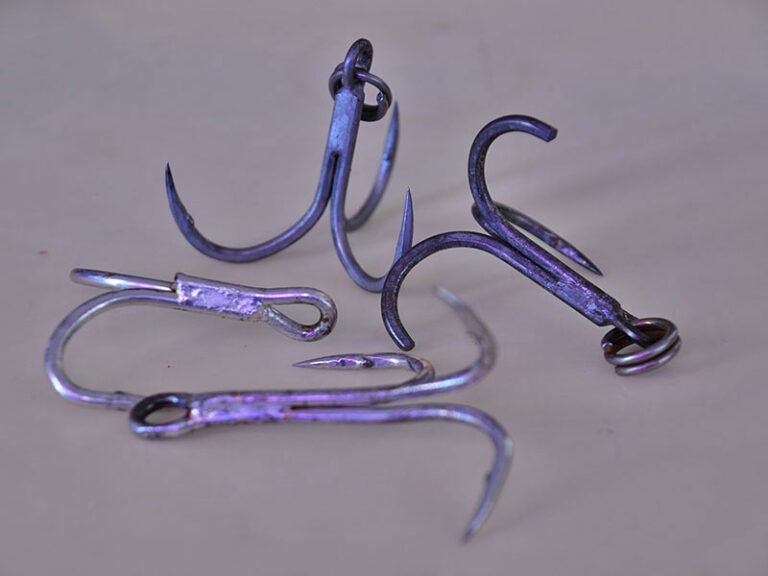
- Use barbless hooks or crimp barbs for faster releases.
- Keep fish in water when possible and use a wet towel or wet hands.
Temperature thresholds to watch:
- Many warmwater species handle temps up to mid 70s°F well, but survival drops as temps climb above 80°F.
- When water is very warm, prioritize catch-and-release restraint or avoid fishing for vulnerable species.

Common mistakes and troubleshooting when learning how to fish in hot weather
Avoid these frequent errors to improve success and protect fish.
Mistakes to avoid:
- Fishing only shallow flats at midday instead of checking deeper water.
- Using large, fast lures that spook lethargic fish.
- Leaving fish out of water too long during release.
Troubleshooting tips:
- If bites stop, try downsizing baits and slowing retrieves.
- If fish are very deep, add weight or switch to vertical presentations.
- If visibility is low, use louder or more contrasty lures near structure.

Personal experience and lessons learned
I remember one July trip where bites vanished by noon. I moved from a sunny flat to a shaded creek mouth and switched to a small drop-shot rig. I caught three bass in a row. The lesson: read the water and adapt gear quickly.
What I learned over years of hot-weather fishing:
- Always carry a thermometer and a small sonar unit.
- Keep several small bait options; the right size matters most.
- Respect fish health; a quick release saves future catches.

Frequently Asked Questions of how to fish in hot weather
Will fish bite in the heat?
Fish bite less often in heat, but they still feed. Focus on cooler spots, slow presentations, and prime times like dawn or dusk.
What is the best time to fish in hot weather?
Early morning and late evening are best. Night fishing can also be productive for many species.
How do I find cooler water for fish?
Look for deep holes, shaded banks, spring inflows, and current breaks. A thermometer or fish finder helps locate cool pockets.
What baits work best in hot weather?
Use smaller live baits, soft plastics, slow jigs, and scent-free presentations. Slower, subtler baits get more strikes.
How should I handle fish in high water temperatures?
Keep fish in the water as much as possible, minimize handling, use wet hands, and release quickly. Avoid fishing if temperatures are dangerously high for the species.
Conclusion
Fishing in hot weather demands patience, smart location scouting, and gentler presentations. Use early or late hours, target cool pockets and deeper structure, downsize lures, and keep safety and fish welfare front and center. Try one new tactic each trip and note what works. If this guide helped, leave a comment with your own hot-weather tip, subscribe for more field-tested advice, or share your catch story.