Best barometric pressure for ice fishing is a stable, mid-range pressure around 29.6–30.2 inHg.
I have spent seasons on frozen lakes testing how weather moves the fish. In this guide I explain what is the best barometric pressure for ice fishing and why steady, moderate pressure usually gives the most consistent bites. I will share clear ranges, how fish react, real tips I learned on the ice, and simple rules you can use today to catch more fish.

Understanding barometric pressure and fish behavior
Barometric pressure is the weight of air above a place. We measure it in inches of mercury (inHg) or millibars/ hectopascals (hPa). Fish sense pressure changes through their swim bladders and pressure receptors.
When you ask what is the best barometric pressure for ice fishing, the simple answer is steady, mid-range pressure. Fish feed more often when the pressure is stable or slowly rising. Rapid falls or strong lows tend to make fish less active.
Fish do not react to the number alone. They react to change and to how pressure fits with other conditions like temperature and light. That is why knowing what is the best barometric pressure for ice fishing helps you choose where and how to fish.
The best barometric pressure ranges for ice fishing
Here are practical ranges to use on the ice when deciding where to fish.
- Low pressure (below 29.4 inHg or below 996 hPa): Fish often slow down. Expect fewer bites and deeper holding. Avoid chasing shallow marks unless other cues are strong.
- Falling pressure: Activity usually drops. Fish move deep or seek cover. Save energy and try slow presentations.
- Mid-range stable pressure (29.6–30.2 inHg or about 1002–1022 hPa): This is often the sweet spot. Expect steady feeding and better bite windows. This range answers what is the best barometric pressure for ice fishing for most species.
- Rising pressure: Bites can improve, especially after a period of low pressure. Fish may move up in the water column.
- Very high pressure (above 30.4 inHg): Activity can be mixed. Some species feed well; others push deeper or become cautious.
These ranges are guidelines. Species, lake type, and season shift how fish respond. But if you want a short rule for what is the best barometric pressure for ice fishing, pick days with steady mid-range pressure.
How pressure affects bites, depth, and fish species
Pressure affects fish differently by species. Use these patterns to adapt.
- Panfish and perch: Feed more aggressively in stable to rising pressure. They move into shallow structure when pressure steadies.
- Walleye: Often prefer low light and may be more active on slowly falling to steady pressure. After a quick fall they may lock down deep.
- Trout: Sensitive to quick pressure drops. They show the best action on steady or slowly rising pressure.
- Pike and bass under ice: Can be unpredictable, but stable pressure often equals more aggressive strikes.
Mechanics behind this are simple. Swim bladders expand or compress with pressure shifts. Rapid changes ask fish to hold position and use energy to rebalance. That makes them less likely to chase fast baits. Understanding these links answers the core of what is the best barometric pressure for ice fishing and how to change tactics by species.
Practical tips for using barometric pressure on the ice
Simple habits win on the ice. Here are tactics that worked for me.
- Check trends, not single numbers: Look at pressure change over 12–24 hours. Small rises or steady lines are good.
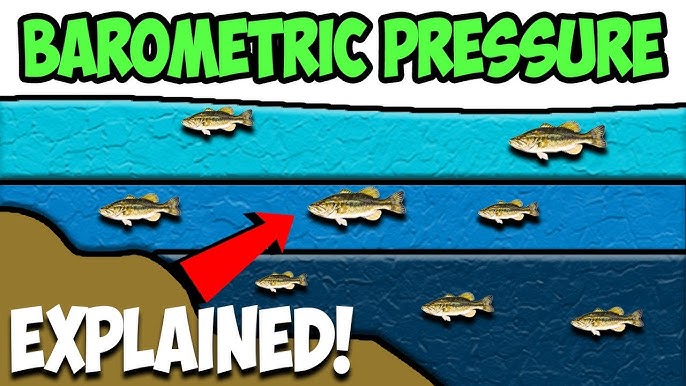
- Adjust depth: Fish often go deeper during low or falling pressure. Drop 5–10 feet deeper and try slower presentations.
- Slow your bait: On falling pressure, slow down and use finesse. On steady or rising pressure, increase action slightly.
- Time your trips: Plan prime sessions when pressure is steady. I often take my best catches on days that hold around 29.8–30.0 inHg.
- Keep a log: Record pressure, water temp, depth, lure, and results. After a season you will see real patterns for your lake.
From personal experience, the single biggest mistake is ignoring pressure trends. I once fished hard during a sudden low-pressure front and found almost no action. A day later, when pressure rose back to mid-range, the same holes exploded.
Tools and apps: how to read and track pressure on the ice
You can carry a small barometer or use phone apps and portable weather stations. Choose what fits your style.
- Dedicated barometer: Simple and works offline. Good backup on remote lakes.
- Phone weather apps: Show hourly pressure and trend graphs. Use them to plan trips.
- Portable weather station: Good for tournament anglers who want precise local reads.
When checking what is the best barometric pressure for ice fishing, use trend graphs. A flat line near 29.8–30.2 inHg beats a single snapshot reading. Combine pressure readings with water temperature and cloud cover before you commit to a spot.
Other factors that change how pressure matters
Barometric pressure is key, but not the whole story. Consider these factors too.
- Water temperature: Warm pockets can draw fish even on poor-pressure days.
- Light and snow cover: Low light can mimic favorable pressure conditions for bite.
- Oxygen and winter kill: Low oxygen can shut down activity regardless of pressure.
- Structure and forage: Fish follow food. Good forage beats a perfect pressure number.
Answering what is the best barometric pressure for ice fishing works only when you include these other factors. Treat pressure as a tool, not a rule.

My field notes: real examples and lessons learned
I kept a log for three winters on a midwestern lake. Here are short takeaways.
- On steady 29.7–30.1 inHg days, panfish bit near structure in the morning. A 1/32-oz jig worked well.
- After a fast fall to 29.2 inHg, walleye moved deep and ignored slap baits. Slow rigs won three days later when pressure rose.
- One time a high pressure day at 30.5 inHg still produced quality trout because water stayed cool and wind pushed baitfish into shoreline pockets.
Lesson learned: know what is the best barometric pressure for ice fishing on your lake. Then test it with lures and depth. Keep records and adapt.
Frequently Asked Questions about what is the best barometric pressure for ice fishing
What barometric pressure do fish prefer when ice fishing?
Fish prefer steady or slowly rising mid-range pressure, often near 29.6–30.2 inHg. Rapid drops usually slow feeding.
Will low pressure stop fish from biting?
Low pressure can reduce activity, but fish still bite if other factors help, like warm water pockets or good forage. Slow presentations often work best.
How fast does pressure have to change to affect fish?
Quick shifts over a few hours matter most. Slow changes over days give fish time to adjust and matter less for bite rates.
Should I fish shallower or deeper based on pressure?
Fish deeper on low or falling pressure and move shallower when pressure is steady or rising. Always check local structure and temperature.
Can I rely only on pressure to plan a trip?
No. Use pressure with water temp, light, and forage data. Pressure helps, but it is one of several key factors.
Conclusion
Understanding what is the best barometric pressure for ice fishing gives you an edge on the ice. Aim for steady, mid-range pressure around 29.6–30.2 inHg, watch trends, and pair pressure info with depth and bait choices. Keep a simple log and make small tweaks to your approach based on what you see. Try these tips on your next outing, share your results, and leave a comment with your pressure patterns or questions.