Ice fishing rods are small because tight holes, close quarters, sensitivity, and control matter most.
I’ve spent winters on frozen lakes testing rods and catching panfish and pike. I know why are ice fishing rods so small. This article explains the design logic, real-world tradeoffs, and how to pick the best short rod for your style. Read on for clear, experience-backed advice, practical tips, and answers to common questions about ice fishing rod size.
Why are ice fishing rods so small
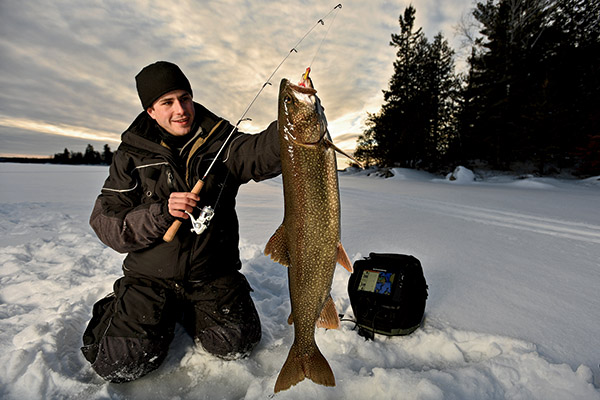
Short rods work best through a narrow ice hole. They let you feel tiny bites. They keep the line close to the hole. Less rod length means faster hook sets and less chance to snag the ice.
Short rods match the realities of ice fishing. You fish from a small hole. You jig in tight spaces. You don't cast far. That makes long rods unnecessary and often harmful. My own seasons of testing 18-inch to 36-inch rods showed that small rods catch more panfish and make jigging easier.
Key design reasons for small ice rods
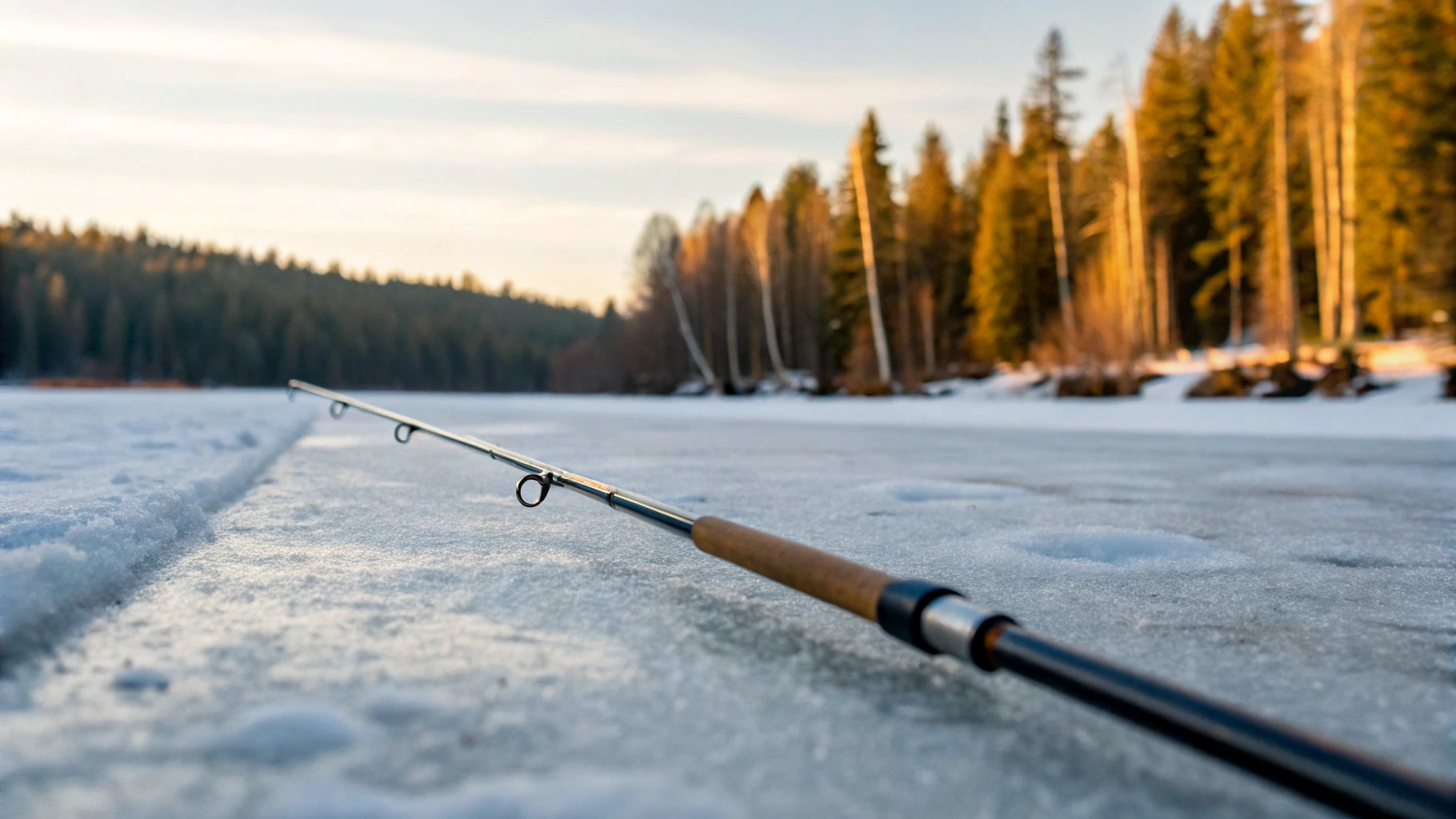
Short length solves many ice-fishing problems in simple ways.
- Hole size and layout: Fishing through small holes forces close work and small rods fit the space.
- Sensitivity: A short rod transmits small taps clearly to your hand.
- Control: Short rods let you move the jig vertically with precise, small motions.
- Reduced snagging: Less rod outside the hole means less chance of hitting the ice or tip damage.
- Portability: Short rods are easier to carry, store, and use from portable shelters.
- Cold performance: Shorter blanks lose less heat and are easier to manage in gloves.
These design points answer why are ice fishing rods so small in practical terms. They’re built for feel, control, and real ice conditions.
Typical lengths, actions, and materials
Knowing common specs helps you choose.
- Common lengths: 18 to 36 inches. Panfish anglers often use 18–24 inches. Predator anglers may prefer 30–36 inches.
- Action: Fast to extra-fast tips are common. They give crisp bite detection and quick hook sets.
- Power: Ultralight to medium-light for panfish; medium for walleye; medium-heavy for pike.
- Materials: Graphite and composite blanks balance sensitivity and toughness. Handles are often short to keep balance near the hole.
In short, small rods use materials and actions that emphasize feel and quick response.

How rod length affects performance on the ice
Length changes how you fight fish and feel bites.
- Sensitivity: Short rods feel bites faster.
- Hook setting: Short leverage gives stronger, faster hook sets at the hole.
- Fighting fish: Short rods let you keep fish below the ice and avoid surface tangles.
- Jig motion: Small rods allow tight, vertical jigging. Long rods make the jig move too broad a distance.
I once used an 18-inch rod on a bluegill hole and hooked fish after the first soft tap. A 5-inch longer rod dulled that feel and missed bites. This is why are ice fishing rods so small for bite-rich, small-fish scenarios.
Choosing the right small ice rod for your target
Match rod specs to fish and technique.
- For panfish: 18–24 inches, ultralight power, fast tip.
- For walleye: 24–30 inches, light to medium power, sensitive tip.
- For pike or trout through ice: 30–36 inches, medium to medium-heavy power, durable blank.
- Reel choice: Inline reels and small spinning reels both work. Choose what balances on the short rod.
- Line and jig: Use light braided or fluorocarbon for better feel. Match jig weight to water depth and current.
Mistakes to avoid:
- Buying a long rod for no reason. It reduces bite detection.
- Choosing a very soft blank for big fish. That risks breakage.

Source: harvestingnature.com
Practical tips from the ice
Small practices make a big difference.
- Use short casts: no casting needed; drop the jig straight down.
- Stay close: work the jig right under the hole.
- Use rod holders: a short rod in a holder keeps hands free and protects the tip.
- Dress warm: cold hands lose feel. Use thin liners for sensitivity.
- Test action: jig and feel different rods before buying.
From my time guiding anglers, the most common tip is to match rod length to species. For panfish, the smaller the rod, the better the bite detection.

Common myths about small ice rods
Small doesn’t mean weak or useless.
- Myth: Small rods can’t catch big fish. Truth: A short, strong rod can land large fish if the blank has proper power and you use good technique.
- Myth: You always need a long rod. Truth: Long rods can work for some setups, but they often reduce sensitivity and control through the hole.
- Myth: Short rods break easily. Truth: Quality rods are tested for toughness. Breaks usually come from improper use or cheap gear.
Understanding these helps explain why are ice fishing rods so small and why that design is intentional.

When a longer ice rod makes sense
There are times to go longer.
- When targeting big predators through deep water.
- When fishing from a sled or permanent shanty where you need reach.
- When you want a longer fighting lever for aggressive hooksets.
Even then, many anglers keep a short rod handy for tight holes and quick bites.

Frequently Asked Questions of why are ice fishing rods so small
What is the best length for an ice fishing rod?
For panfish, 18–24 inches is best. For walleye, 24–30 inches. For bigger predators, 30–36 inches works well.
Can you catch big fish with a small ice rod?
Yes. A short rod with the right power and line can land big fish if you play the fish correctly and use proper gear.
Do shorter rods give better bite detection?
Yes. Short rods transmit subtle taps faster and clearer to your hand, improving bite detection.
Are inline reels better than spinning reels on short rods?
Both work. Inline reels are compact and smooth; spinning reels are familiar to many anglers. Choose what balances on your rod.
Will a short rod break more often in cold?
Not necessarily. Quality rods handle cold well. Breaks usually come from poor technique or low-quality blanks.
Conclusion
Short ice fishing rods exist because they solve real problems: tight holes, subtle bites, precise jigging, and easy handling in cold weather. Choose length and power to match your fish and style. Try different rods in a test session and trust feel over flashy specs. Take one small action today: go to a shop or club and handle 18–30 inch rods to see which feels right, then head to the ice and practice tight jigging. Share your catches or questions below and subscribe for more ice-fishing tips.