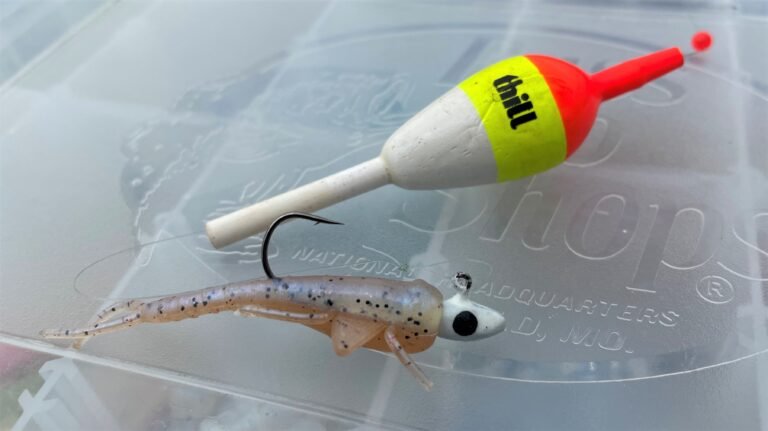
Yes — you can use chickpeas for carp fishing; they are a cheap, natural, and effective bait option.
I have fished for carp for over a decade and tested many baits. In this article I explain whether can you use chickpeas for carp fishing, how to prepare them, the rigs to use, pros and cons, and real tips from my own sessions. Read on to learn practical methods that will save time and catch more carp.
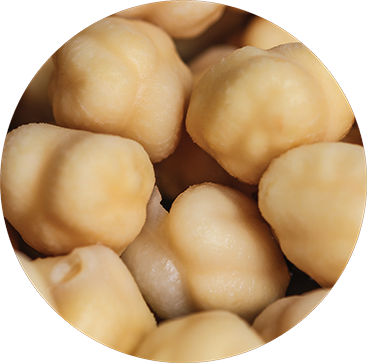
Why chickpeas work for carp
Carp eat a wide range of natural foods. Chickpeas are high in starch and protein. That mix attracts carp and holds well on a hair rig.
Carp respond to texture and scent as much as taste. Soaking and boiling chickpeas releases sugars and softens the grain. This makes the bait easier to suck in and digest.
In short, if you're wondering can you use chickpeas for carp fishing, the answer is yes — especially when prepared right. They are close in profile to other successful natural baits like sweetcorn and tiger nuts.

Preparing chickpeas for carp fishing
Good prep is the key to success. Raw dried chickpeas need soaking and boiling. Follow these steps.
- Soak dried chickpeas in cold water for 12–24 hours to rehydrate them.
- Boil them gently for 45–90 minutes until soft but not falling apart.
- Cool them in fresh water. Add a splash of liquid flavor or oil if desired.
- Store in the fridge for up to 3–4 days or freeze for longer use.
If time is short, canned chickpeas can work. Rinse well to remove brine. Then simmer 10–20 minutes so they absorb flavors. Always test a single chickpea on a hair rig to check strength and texture.
If you ask can you use chickpeas for carp fishing straight from a can, the practical answer is yes, but canned chickpeas often need extra cooking to hold on the hook reliably.

Rigging and bait presentation
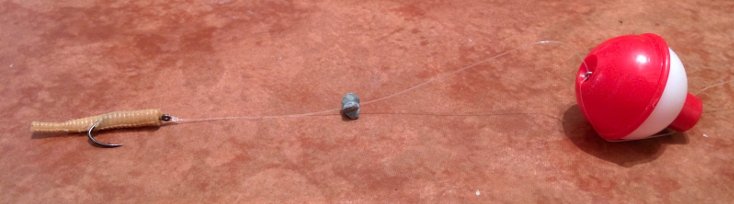
How you present chickpeas matters more than the bait alone. Use rigs suited to soft boil-style baits.
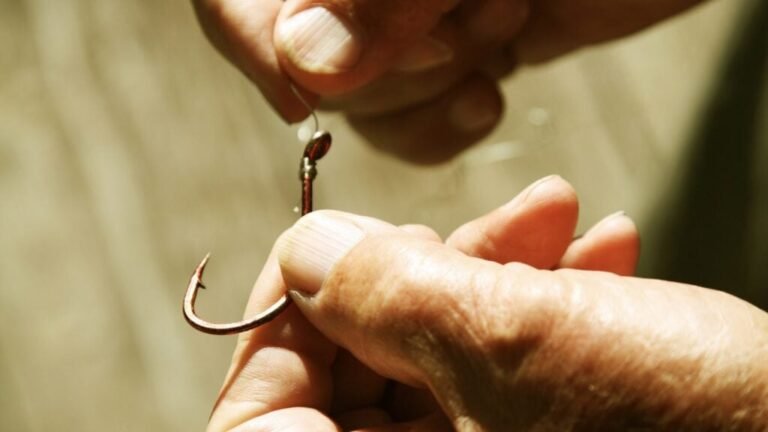
- Use a hair rig with a short hair length.
- Use strong knots and small boilie needles or bait needles.
- Add a small plastic stop or foam to make a pop-up if you need buoyancy.
- Consider pairing chickpeas with a small hookbait like a corn kernel or pellet for a balanced profile.
When deciding can you use chickpeas for carp fishing on a heavy silt bed, choose a slightly elevated presentation. That helps visibility and reduces weed fouling. Combine chickpeas with free offerings around the hook to encourage feeding.

Bait mixes and enhancing flavor
Chickpeas absorb flavors well. This makes them ideal for flavored brines, oils, and attractor syrups.
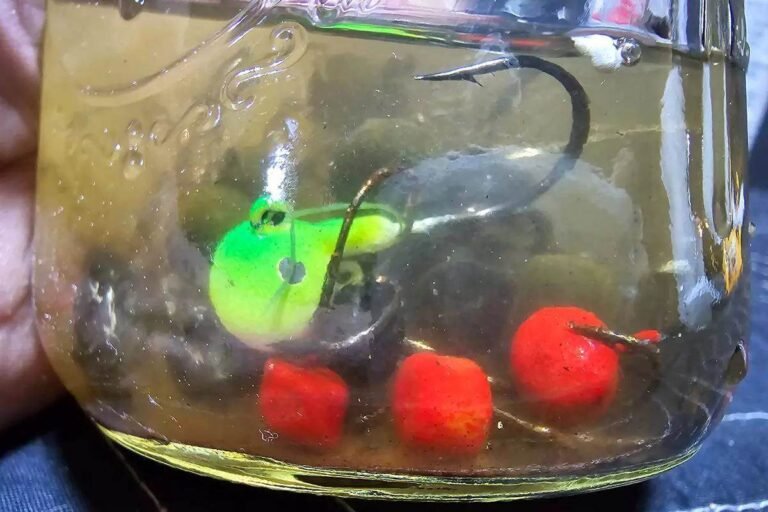
- Marinate chickpeas overnight in a fish oil, molasses, or sweet syrup mix.
- Add spice or aniseed-based flavors for a stronger scent trail.
- Use fishmeal or crushed pellets in a spod mix to create a particle bed with chickpeas.
You might wonder can you use chickpeas for carp fishing as a stand-alone bait. Yes, but adding a complementary free offering or attractor boosts bite rates. In my experience, a light spod mix of crushed chickpeas and maize produces consistent results.
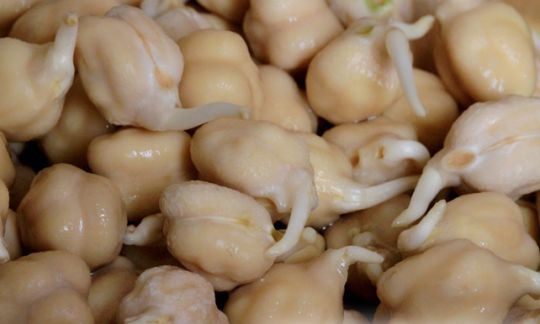
Pros and cons of using chickpeas
Knowing strengths and limits helps plan sessions.
Pros
- Affordable and widely available.
- High in starch and protein; attractive to carp.
- Easy to flavor and pair with other particles.
- Can be formed into boilie-style baits or used as particles.
Cons
- Hard if not prepared correctly; risk of being too soft or falling off the hair.
- Canned chickpeas may contain preservatives that reduce attraction.
- Can be bulky to carry if you need large volumes.
- Not immune to bait-shy carp in heavily fished waters.
When thinking about can you use chickpeas for carp fishing on pressured waters, expect mixed results. They work best with clever presentation and patient pre-baiting.
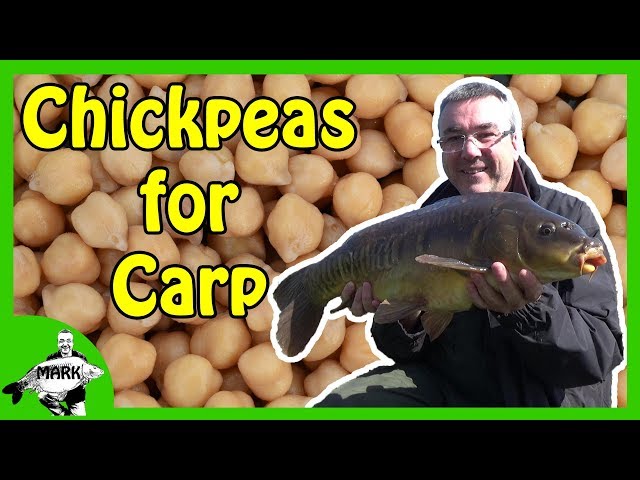
Practical tips from my carp sessions
I started using chickpeas after a chance experiment one spring. Here are lessons I learned.
- Test a single prepared chickpea on your hair before committing. It shows how long it holds.
- Boil them until they are soft but still slightly firm. Overcooking makes a mess.
- Freeze portions in zip bags. Thaw in warm water and add flavor before travel.
- Use a small bead or foam stop to create a lift-off pop-up when fishing silt.
- Pre-bait lightly for three days with a mix of chickpeas and maize to build confidence.
If you still ask can you use chickpeas for carp fishing in cold months, yes, but results drop as carp slow down. Use higher protein or oil-rich additives in winter.
Safety, storage, and environmental notes
Handle bait safely. Poorly stored chickpeas can spoil and pollute water.
- Refrigerate soaked and boiled chickpeas. Use within 3–4 days.
- Freeze for longer storage and thaw before use.
- Avoid overfeeding. Particle build-ups can reduce water quality.
- Do not use chickpeas with added salts or chemicals that harm fish.
Remember to follow local fisheries rules. If managers restrict particles, check before using chickpeas. This is another part of answering can you use chickpeas for carp fishing responsibly.

Frequently Asked Questions of can you use chickpeas for carp fishing
Can I use canned chickpeas straight from the tin?
Yes, but rinse them well and simmer for 10–20 minutes to improve texture and flavor absorption. Canned chickpeas can be softer and need reinforcement on the hair rig.
How long should I boil dried chickpeas for carp bait?
Boil for 45–90 minutes until soft but still intact. Test one pea on a rig to check firmness before using a whole batch.
Can chickpeas be used in a spod mix?
Yes, crushed or whole chickpeas add texture and scent to spod mixes and help create a feeding patch that attracts carp. Combine with maize and pellets for best results.
Do carp prefer chickpeas over sweetcorn or tiger nuts?
Preferences vary by water and fish. Chickpeas are a good alternative but are not universally better than sweetcorn or tiger nuts; testing is essential.
Are flavored chickpeas better than plain ones?
Flavored chickpeas often perform better because they create a scent trail. Marinating overnight in oil or syrup boosts attraction.
Conclusion
Chickpeas are a viable and versatile bait for carp fishing when prepared and presented correctly. They offer a cheap, natural option that absorbs flavors well and pairs with other particles. Try soaking, boiling, and testing small batches first. Pre-bait smartly and use simple rigs for the best chances of success.
Take action: prepare a small batch tonight, try a short session with a hair rig, and share your catches or questions in the comments to learn faster.