Losing a fish because a snap opened during a fight is one of the most frustrating problems an angler can face. A strong hookset and a well-tied line mean little if the small metal connection holding your lure fails at the worst moment.
Understanding fishing snap opening during a fight how to prevent starts with knowing why snaps fail. In my experience testing tackle and spending long days on the water, most snap failures come from weak hardware, poor maintenance, wrong sizing, or too much sudden pressure.
Whether you fish bass in American lakes, chase inshore species along the coast, or target larger saltwater fish, your snap is a critical connection point. A few simple checks before casting can prevent lost fish and expensive lure losses.
Why Fishing Snaps Open During a Fight
A fishing snap can open when the metal wire bends, the locking mechanism fails, or the force from a fighting fish exceeds the snap’s strength. The problem often appears when a fish makes a sudden run, shakes its head, or changes direction quickly.
When researching fishing snap opening during a fight how to prevent, anglers should first understand that not all snaps work the same way. Cheap snaps may look similar to premium models, but differences in wire strength, shape, and locking design can greatly affect reliability.
- ✦ Weak snap material
Low-quality metal can bend or lose its shape after repeated stress, making accidental opening more likely.
- ✦ Incorrect snap size
A snap that is too small may not handle the pressure created by a strong fish or heavy drag setting.
- ✦ Damaged locking area
The opening point can become weak after repeated use, corrosion, or contact with rocks and structures.
How Fish Pressure Causes Snap Failure
Fish do not pull with steady pressure. They create quick bursts of force that can shock your tackle system. These sudden loads are often what expose a weak snap.
A smooth drag setting and steady rod movement help reduce these shock forces and protect the snap connection.
- ✦ Sudden runs
Fast fish movements can create short periods of extreme pressure on the snap.
- ✦ Head shakes
Aggressive shaking can repeatedly stress the snap and weaken its locking point.
Choose the Right Snap to Prevent Opening Problems
Selecting the correct snap is one of the most important steps in preventing failure. The best snap depends on your target species, lure weight, line strength, and fishing conditions.
For many anglers, a stronger snap with a secure locking design provides more confidence than a lightweight option designed only for convenience. Matching the snap to the fishing situation is a key part of fishing snap opening during a fight how to prevent.
- ✦ Use quality snap designs
Coastlock snaps, duo-lock snaps, and other reinforced designs can provide better holding power when used correctly.
- ✦ Match strength to the fish
Select a snap with enough strength for your target species without adding unnecessary weight.
- ✦ Avoid unknown hardware
Unmarked snaps may not have reliable strength ratings or consistent manufacturing quality.
Why Snap Shape Matters
Snap shape affects how force travels through the metal. Some designs spread pressure better, while others concentrate stress near the opening point.
A well-designed snap should stay closed under normal fishing pressure and allow smooth lure changes when needed.
- ✦ Rounder designs
These often allow lures to move naturally and reduce stress at connection points.
Inspect Your Fishing Snap Before Every Trip
Small tackle parts deserve the same attention as rods and reels. A snap may look fine but still have hidden damage from previous fights, salt exposure, or repeated opening.
A quick inspection routine is one of the easiest ways to solve fishing snap opening during a fight how to prevent. Checking your gear before casting can save the fish of a lifetime.
- ✦ Check for bends
Replace snaps that no longer return to their original shape or have visible distortion.
- ✦ Look for corrosion
Rust and salt damage weaken metal and can reduce snap strength.
- ✦ Test the lock
Make sure the snap closes fully and does not feel loose or weak.
When to Replace a Snap
Many anglers keep using snaps too long because the damage is not obvious. If a snap has fought several large fish or shows any damage, replacing it is usually the safer choice.
A small replacement cost is far lower than losing a valuable lure or trophy fish.
- ✦ After heavy fights
Replace snaps that have handled extreme pressure from large fish.
- ✦ After saltwater use
Salt can weaken metal even when corrosion is not easy to see.
Use Proper Rigging to Stop Accidental Snap Opening
Correct rigging reduces unnecessary stress on the snap. The way a lure, split ring, and line connect can change how force reaches the snap during a fight.
Many cases of fishing snap opening during a fight how to prevent are solved by improving the connection setup rather than simply buying stronger hardware.
- ✦ Attach snaps correctly
Make sure the snap sits in the intended connection point and is fully closed before fishing.
- ✦ Use quality split rings
Weak split rings can deform and create extra pressure on the snap.
- ✦ Avoid side loading
Keep connections aligned because sideways force can stress snap mechanisms.
The Role of Knots and Line Connection
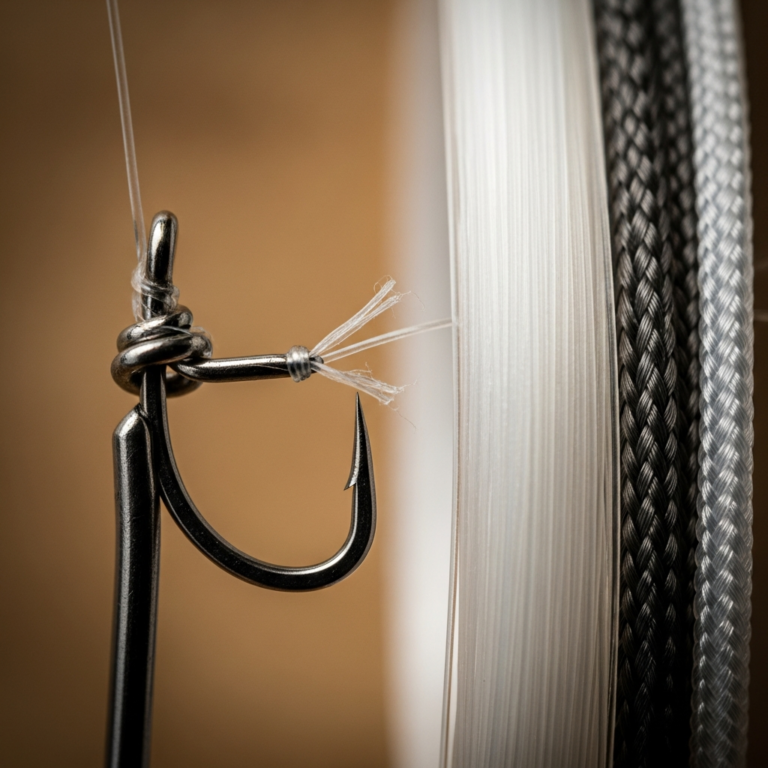
A strong snap cannot compensate for a weak knot or damaged leader. The entire system must work together.
Use reliable knots and check the line near the snap for abrasion before each fishing session.
- ✦ Inspect leader material
Damaged leader sections can increase sudden shock loads on the snap.
Fight Fish Correctly to Reduce Snap Stress
Even the strongest snap can fail if an angler applies extreme pressure at the wrong time. Fighting a fish with controlled movements helps protect every part of the tackle system.
When considering fishing snap opening during a fight how to prevent, remember that your technique matters as much as your equipment.
- ✦ Use the drag system
A properly adjusted drag absorbs sudden runs and reduces stress on terminal tackle.
- ✦ Avoid lifting heavy fish vertically
High-angle pressure can increase strain on snaps and other connections.
- ✦ Keep steady pressure
Smooth pressure is safer than sudden jerks or aggressive rod movements.