Many anglers ask what is scent fishing because adding scent to lures has become a common technique across the United States. The idea is simple: fish rely on smell to locate food, especially in cloudy water, deep areas, or low-light conditions.
In my experience studying fishing methods, scent is not a magic solution that replaces skill. It is a tool that can make a good presentation more appealing. When used with the right lure, location, and timing, scent fishing can give anglers an extra advantage on the water.
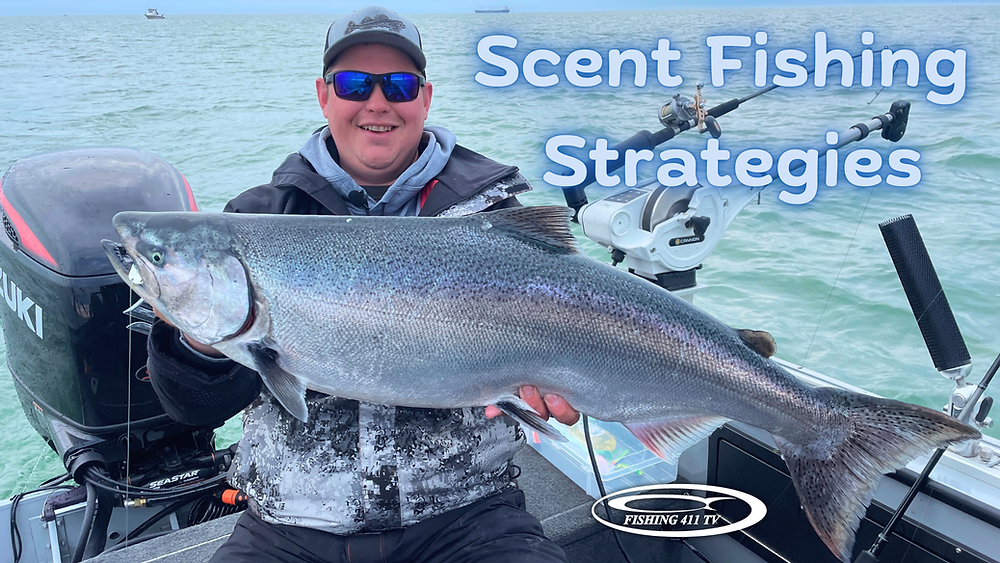
What Is Scent Fishing and How Does It Work?
To understand what is scent fishing, think of it as a method that uses smell to influence fish behavior. Anglers apply liquid scents, gels, sprays, or scented bait products to create a smell trail in the water.
Fish detect chemicals in water through their nostrils and other sensory systems. These smells can help them recognize food sources, follow trails, and decide whether something is worth eating.
- ✦ Creates a scent trail
Fishing scents spread through the water and may help guide fish toward your bait or lure.
- ✦ Encourages longer bites
Some scents may make fish hold a lure longer, giving anglers more time to set the hook.
- ✦ Adds natural attraction
Scents can imitate prey smells like baitfish, shrimp, crawfish, or other food sources.
Why Fish Depend on Their Sense of Smell
Fish live in an environment where smell travels through water. Many species use scent to find food, avoid threats, and communicate with other fish.
This is why scent fishing can be useful when visibility is poor. A fish may not see a lure quickly, but it may detect its smell from a distance.
Types of Fishing Scents Used by Anglers
Fishing scents come in many forms. Each type has a different purpose depending on the target species, water conditions, and fishing style.
When learning what is scent fishing, it helps to understand that different scents are designed to match natural feeding patterns.

- ✦ Oil-based scents
These scents stay on lures longer and are often used for slow presentations.
- ✦ Water-based sprays
Sprays are quick to apply and work well when anglers need to refresh scent often.
- ✦ Scented soft plastics
Some soft lures are made with built-in flavors and smells that attract fish.
Common Scent Profiles for Fishing
Popular fishing scents include garlic, shrimp, crawfish, anise, salt, and baitfish flavors. Anglers choose scents based on the fish they target and local food sources.
For example, bass anglers often use crawfish or garlic scents, while saltwater anglers may choose shrimp or baitfish-based options.
Benefits of Using Scent While Fishing
Understanding what is scent fishing also means knowing its practical benefits. Many anglers use scents because they can improve confidence and help create a more realistic lure presentation.
Scent is especially helpful when fish are cautious, inactive, or living in areas where water movement spreads natural smells.

- ✦ Helps in stained water
Scent can help fish locate bait when they cannot easily see it.
- ✦ Improves lure realism
A scented lure can feel more natural when a fish investigates it closely.
- ✦ Useful for slow fishing
Slow-moving presentations give scents more time to attract nearby fish.
Does Scent Fishing Really Help Catch More Fish?
A common question after learning what is scent fishing is whether scents actually increase catches. The answer depends on many factors, including fish species, water conditions, and how the lure is presented.
Scent should be viewed as a supporting tool rather than a replacement for proper fishing skills. Good location choice, lure action, and timing remain important.

- ✦ Works best with natural presentations
A scented lure with realistic movement often performs better than scent alone.
- ✦ Results vary by species
Some fish rely more on smell than others, so results can change between locations.
When Scent Fishing May Be Most Effective
Scent fishing can be useful during tough conditions such as cold water, muddy water, or heavy fishing pressure. In these situations, fish may inspect bait longer before striking.
Many experienced anglers apply scent before casting and refresh it throughout the day to maintain a stronger scent trail.
How to Use Fishing Scents Correctly
Using scent correctly is important because too much or the wrong type can reduce effectiveness. The goal is to create a natural smell that matches the fishing situation.
Beginners often make the mistake of thinking stronger scent always works better. Fish respond to realistic signals, not simply powerful smells.
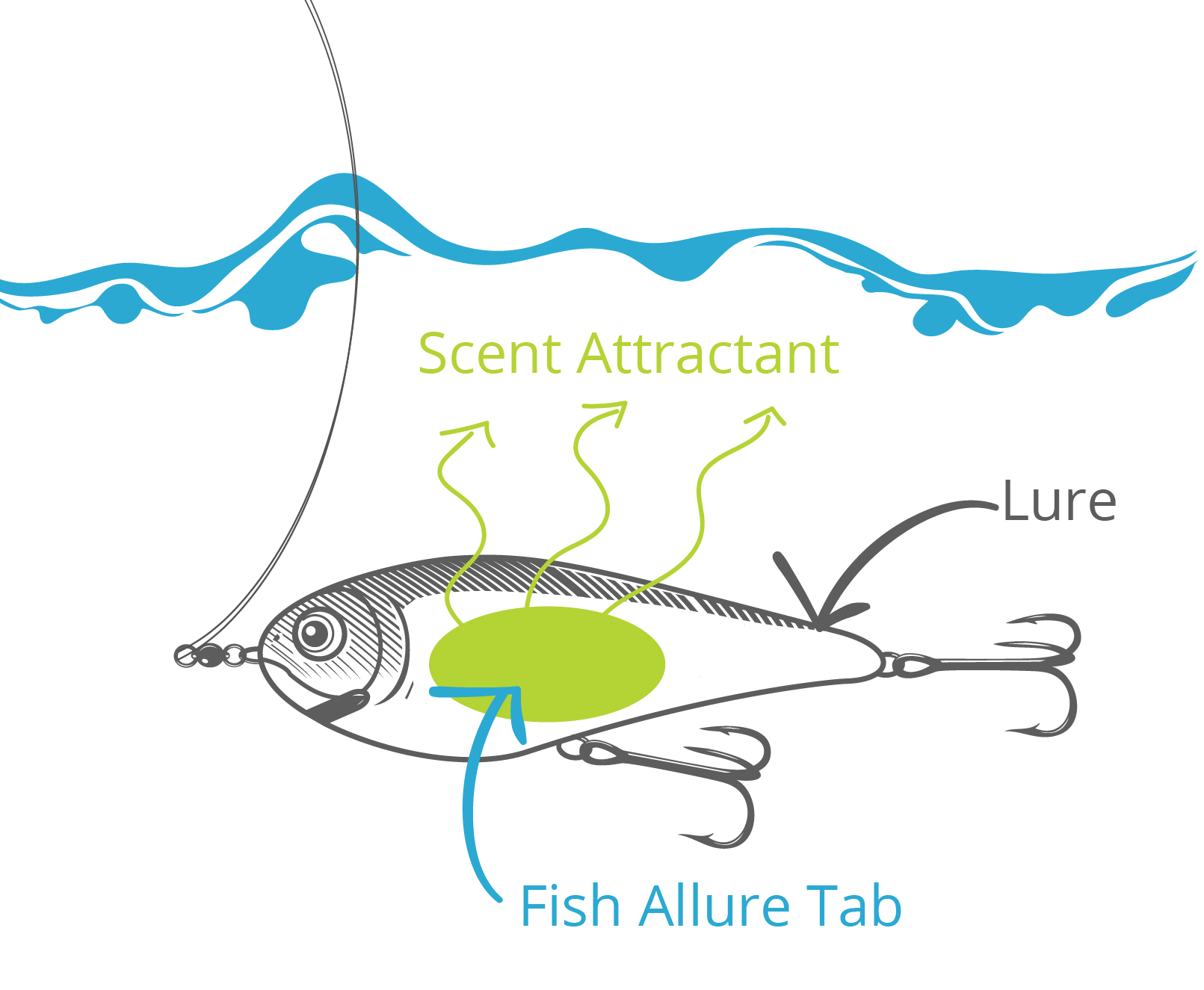
- ✦ Apply before casting
Add scent before the lure enters the water so the smell starts spreading immediately.
- ✦ Match the environment
Choose scents that resemble local prey and feeding habits.
- ✦ Refresh regularly
Reapply scent after several casts because water can remove the coating.
Frequently Asked Questions about what is scent fishing

fishingscouty
Contributor