If your spinning reel handle feels hard to turn, you should not force it. A tight handle usually means something inside the reel needs attention. Dirt, salt buildup, old grease, and worn gears can all make a reel feel slow or stuck.
Many anglers in the United States face this issue after fishing in lakes, rivers, or saltwater areas. In my experience working with fishing gear, most stiff reel handles can be fixed at home with basic tools and careful cleaning. The key is finding the real cause before replacing parts.

Why Is My Spinning Reel Handle Difficult to Turn?
A spinning reel handle becomes difficult to turn when resistance increases inside the reel body. The handle connects to gears, bearings, and shafts that must move smoothly. Any problem in these areas can make the crank feel heavy.
The most common causes include dirty bearings, damaged gears, thick old grease, loose parts, and corrosion from water exposure. Understanding these causes makes it easier to know how to fix a spinning reel handle difficult to turn without causing more damage.
- ✦ Dirty internal parts
Sand, dust, and salt crystals can enter the reel and slow down bearings and gears.
- ✦ Old or wrong lubricant
Grease can become thick over time and stop parts from moving freely.
- ✦ Damaged gears
Worn or broken gears can create rough movement and extra resistance.
Signs Your Reel Needs Repair
A reel that needs service often feels different from normal. You may notice grinding sounds, uneven rotation, clicking noises, or a handle that stops during cranking.
- ✦ Heavy handle movement
The handle requires more force than usual to rotate.
- ✦ Grinding feeling
Internal parts may have dirt, corrosion, or damaged surfaces.
How to Fix a Spinning Reel Handle Difficult to Turn Step by Step
Before opening your reel, remove the spool and inspect the outside. Check if the handle is tight, bent, or blocked by dirt. Sometimes the issue is simple and does not require full disassembly.
When learning how to fix a spinning reel handle difficult to turn, start with basic cleaning and lubrication. These steps solve many common problems and help protect expensive fishing equipment.

- ✦ Step 1: Remove visible dirt
Use a soft brush or cloth to remove sand, salt, and debris around the handle area.
- ✦ Step 2: Check handle movement
Turn the handle slowly and feel where the resistance begins.
- ✦ Step 3: Apply reel lubricant
Use fishing reel oil on bearings and moving joints. Avoid using heavy household oils.
Cleaning the Handle and External Parts
Start with the handle knob, handle screw, and connection point. These areas collect moisture and dirt because they are exposed during fishing trips.
A small amount of reel cleaner and a dry cloth can remove buildup. Always let parts dry before adding lubricant.
- ✦ Use proper tools
Small screwdrivers and reel tools help prevent damage during maintenance.
Check and Lubricate the Spinning Reel Gear System
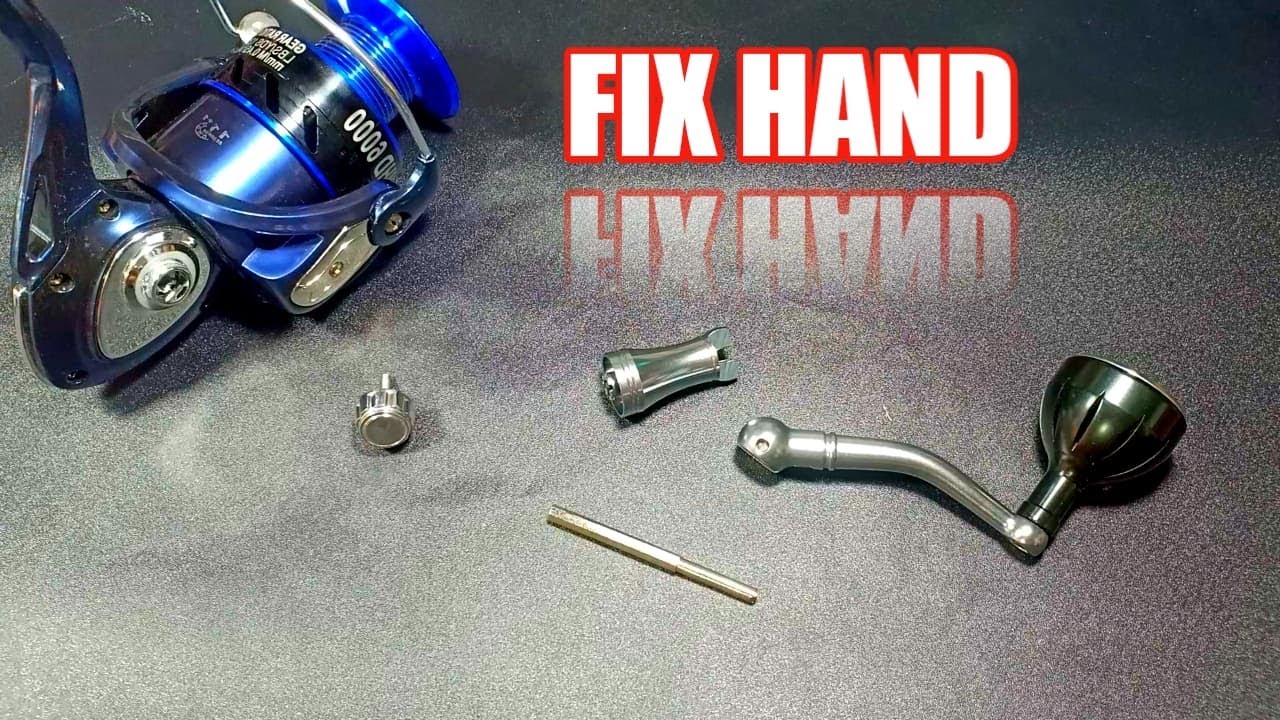
The gear system controls how smoothly the handle turns. If the gears lose lubrication, they create friction that makes the handle feel stiff.
A common mistake is adding too much oil. Excess lubricant can attract dirt and create another problem. Use small amounts and follow the reel manufacturer’s instructions.
- ✦ Inspect the main gear
Look for worn teeth, cracks, or unusual marks that may affect performance.
- ✦ Check bearings
Dirty or damaged bearings are a major reason a spinning reel handle becomes hard to turn.
When Grease Replacement Is Needed
Old grease can become thick like paste after years of use. Removing old grease and adding fresh reel grease can restore smoother movement.
This repair takes more care because internal parts must be placed back correctly.
- ✦ Remove old grease carefully
Clean gears with a reel-safe cleaner before applying new grease.
How Water and Salt Damage Make Reel Handles Stiff
Saltwater fishing creates extra stress on spinning reels. Salt crystals can build up inside small spaces and cause corrosion around bearings, screws, and gears.
Even freshwater anglers should rinse reels after use because mud and minerals can also affect handle performance.

- ✦ Rinse after fishing
Use clean water to remove surface salt and dirt after every trip.
- ✦ Dry before storage
Moisture left inside the reel can lead to rust and poor movement.
Preventing Future Handle Problems
Regular maintenance is the easiest way to avoid a difficult spinning reel handle. A quick cleaning routine after fishing keeps small issues from becoming expensive repairs.
- ✦ Monthly inspection
Check screws, handle movement, and unusual sounds.
When Should You Replace Parts Instead of Repairing?
Cleaning and lubrication cannot fix every problem. If the handle remains difficult to turn after maintenance, a damaged internal component may need replacement.
Replacing a small part like a bearing or handle assembly is often cheaper than buying a new reel.

- ✦ Replace damaged bearings
Bad bearings can create constant friction and rough handle movement.
- ✦ Replace worn gears
Gear damage usually requires a new part for smooth operation.
Professional Repair Situations
If you hear loud grinding, feel sudden locking, or find damaged internal parts, professional service may be the safer choice. Some reels require special tools and experience.
- ✦ Complex internal damage
Professional repair helps prevent mistakes during advanced fixes.
Frequently Asked Questions about spinning reel handle difficult to turn how to fix

fishingscouty
Contributor