Fishing pliers are one of the most useful tools in an angler’s kit. They remove hooks, cut lines, and handle tough tasks. However, many anglers learn the hard way that even good pliers can rust when exposed to water, salt, and poor storage.
understanding fishing pliers rusting how to prevent starts with simple habits. From years of handling fishing tools, the biggest lesson is that small care steps after each trip save money and keep tools working smoothly.
Saltwater anglers in the United States face the highest rust risk because salt speeds up corrosion. Freshwater anglers also need care because moisture, dirt, and trapped water can damage metal parts over time.
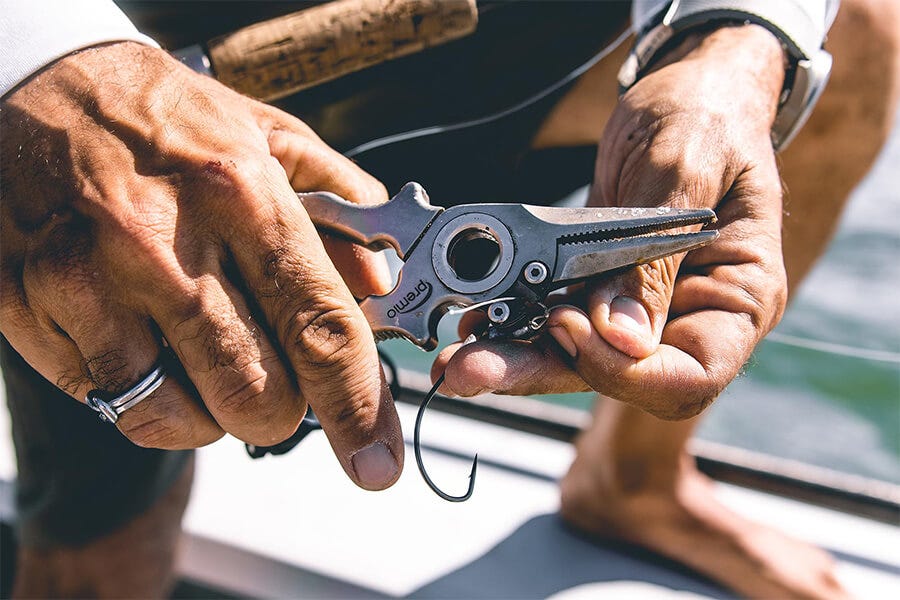
Why Fishing Pliers Rust and Corrode
To understand fishing pliers rusting how to prevent, you first need to know why rust happens. Rust forms when iron or steel reacts with oxygen and moisture. Saltwater makes this reaction happen much faster.
Fishing pliers often have small gaps around hinges, cutters, and springs. These areas can hold water after a trip. If the moisture stays trapped, rust can slowly weaken the tool.
- ✦ Salt exposure
Salt crystals attract moisture and speed up corrosion on metal surfaces, especially after ocean fishing trips.
- ✦ Poor drying
Putting wet pliers into a tackle box creates a damp space where rust can grow.
- ✦ Lack of protection
Metal tools without oil or protective coatings have less defense against water and air damage.
Common Rust Areas on Fishing Pliers
The hinge is usually the first place to show rust because it moves often and collects moisture. Cutting edges and small springs can also corrode if they are not cleaned.
- ✦ Hinge joints
Clean and lubricate moving joints often to keep them smooth and protected.
Clean Fishing Pliers After Every Fishing Trip
The most important answer to fishing pliers rusting how to prevent is regular cleaning. A quick rinse after every trip removes salt, sand, and fish residue before they cause damage.
Use clean freshwater and gently wash the entire tool. Pay close attention to the hinge, cutters, and areas where dirt can collect.

- ✦ Freshwater rinse
Run freshwater over the pliers after saltwater use to remove harmful salt buildup.
- ✦ Remove debris
Use a soft brush to clear sand, scales, and dirt from tight areas.
- ✦ Avoid harsh chemicals
Strong cleaners may damage protective coatings or tool finishes.
Dry and Lubricate Pliers to Stop Rust Growth
Cleaning alone is not enough. Learning fishing pliers rusting how to prevent also requires proper drying and lubrication. Water left inside the hinge can cause hidden corrosion.
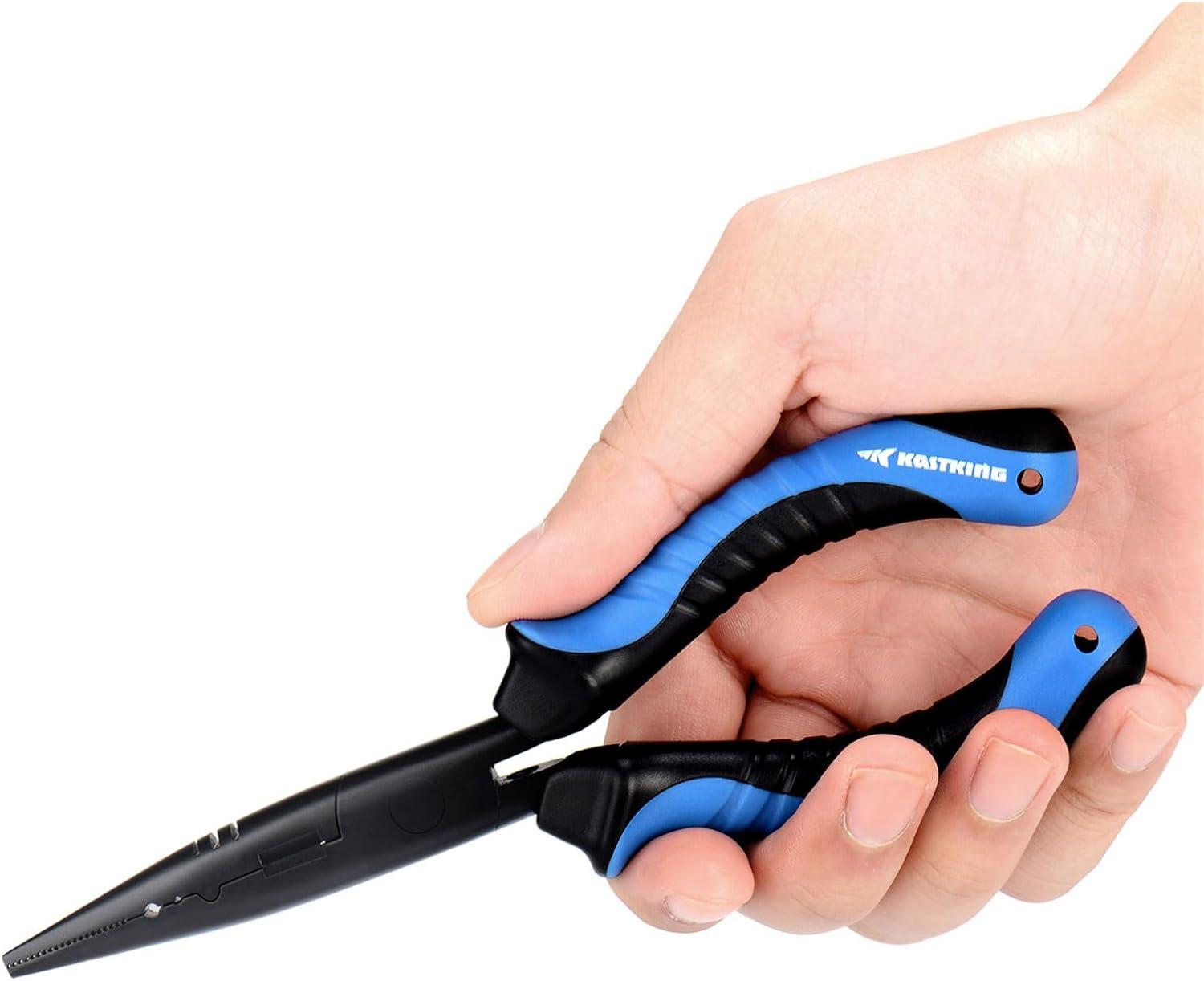
After washing, wipe the tool with a dry cloth and allow it to air dry fully. Add a small amount of corrosion-resistant oil to moving parts to reduce friction and block moisture.
- ✦ Dry completely
Make sure the hinge and cutters are dry before placing pliers back in storage.
- ✦ Apply light oil
Use a fishing-safe lubricant on joints and metal surfaces for extra protection.
How Often Should You Lubricate Fishing Pliers?
Anglers who fish weekly should check and lubricate pliers regularly. Saltwater users may need more frequent care because corrosion develops faster.
- ✦ Frequent use
Heavy use requires more cleaning and lubrication.
Choose Rust-Resistant Fishing Pliers
Material choice plays a major role in fishing pliers rusting how to prevent. Stainless steel, aluminum bodies, and corrosion-resistant coatings help tools survive wet conditions.
No material is completely rust-proof. Even premium fishing pliers need cleaning and care after use, especially in saltwater environments.
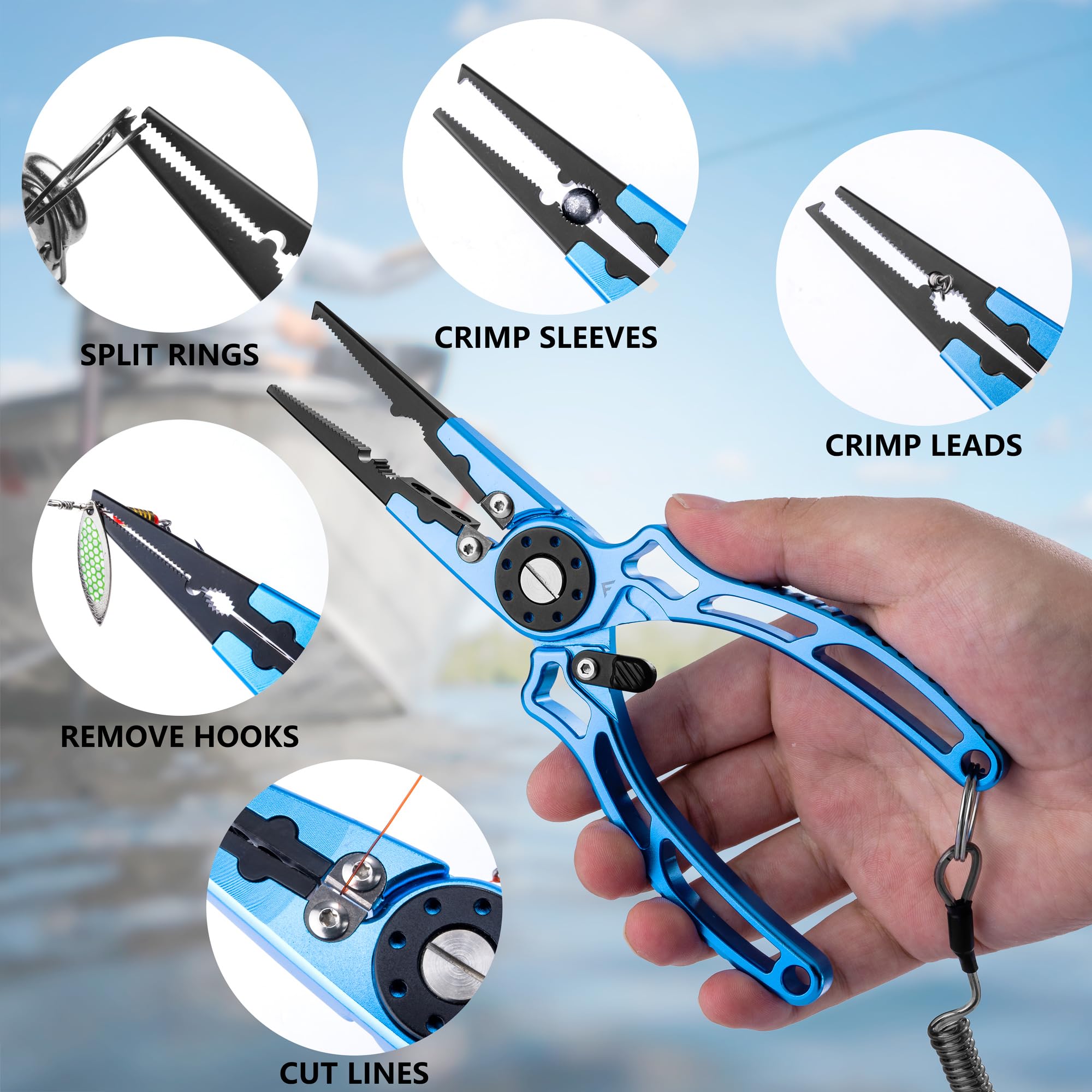
- ✦ Stainless steel construction
Stainless steel offers strong resistance to corrosion when properly maintained.
- ✦ Protective coatings
Coatings add a barrier between metal and moisture.
- ✦ Quality design
Good hinges and sealed parts reduce areas where water can collect.
Store Fishing Pliers Correctly Between Trips
Storage is a key part of fishing pliers rusting how to prevent. A clean tool can still rust if it sits in a wet tackle box for weeks.
Keep pliers in a dry location with airflow. Avoid leaving them buried under wet lures, hooks, or fishing line.

- ✦ Use a dry compartment
Store pliers away from wet gear whenever possible.
- ✦ Use protective sleeves
A tool cover can reduce moisture exposure during storage.
Long-Term Storage Tips
Before storing fishing pliers for the off-season, clean them, dry them, and apply a thin protective layer of oil.
- ✦ Seasonal check
Inspect stored tools before your next fishing trip.
How to Restore Light Rust on Fishing Pliers
If rust has already appeared, early action can save your tool. Fishing pliers rusting how to prevent also includes knowing how to fix small corrosion problems before they become serious.
Remove light rust with a gentle cleaning method, then dry and protect the surface. Deep rust that affects cutters or joints may reduce tool performance.

- ✦ Remove surface rust
Use a soft brush or suitable rust remover designed for metal tools.
- ✦ Protect after repair
Apply lubricant after cleaning to help prevent future corrosion.