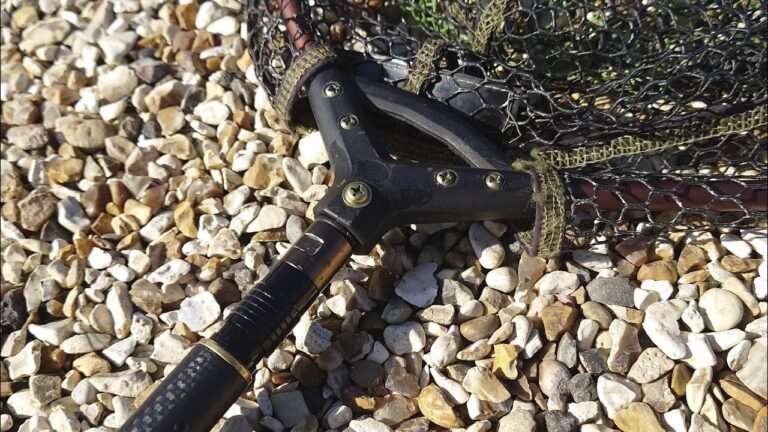
Fishing rod grip becoming slippery how to fix is a common problem for anglers in the United States. A slippery handle can make casting harder and reduce control when fighting strong fish. The good news is that most grips can be restored with simple steps.
After years of handling fishing equipment, one thing becomes clear: the grip usually fails because of buildup, wear, or moisture. Cleaning the surface and checking the grip material can often solve the problem before buying a new rod.

Why Is My Fishing Rod Grip Becoming Slippery?
Before learning fishing rod grip becoming slippery how to fix, you need to know why it happens. The most common causes are dirt, sunscreen, hand oils, fish slime, salt residue, and worn grip materials.
Many anglers notice this issue after summer trips because sweat and moisture stay on the handle. Saltwater anglers often see faster wear because salt crystals can damage grip texture over time.
- ✦ Oil and dirt buildup
Natural skin oils, sunscreen, and grime create a smooth layer that reduces friction between your hand and the rod.
- ✦ Wet handle surface
Water, rain, and fish slime can make cork and EVA foam feel slick during use.
- ✦ Aged grip material
Old foam or damaged cork can lose texture and no longer provide a firm hold.
Common Signs of a Damaged Fishing Rod Grip
A grip that feels shiny, sticky, cracked, or unusually smooth may need attention. Small cracks in cork and hardened EVA foam are early warning signs.
- ✦ Reduced casting control
Your hand moves more during casts, making accurate placement harder.
How to Clean a Slippery Fishing Rod Grip
The first solution for fishing rod grip becoming slippery how to fix is a deep cleaning. Cleaning works well when the grip itself is still in good condition.
Use warm water, mild soap, and a soft brush. Avoid harsh chemicals because they can damage cork, EVA foam, or protective coatings.

- ✦ Step 1: Remove loose dirt
Wipe the grip with a damp cloth to remove surface debris.
- ✦ Step 2: Scrub gently
Use mild soap and a soft brush to clean deep pores and texture.
- ✦ Step 3: Dry completely
Allow the rod to air dry before using it again.
How to Fix a Slippery EVA Foam Fishing Rod Grip
EVA foam grips are popular because they are light and comfortable. However, old EVA foam can become smooth and slippery after repeated use.
For fishing rod grip becoming slippery how to fix on EVA handles, start with cleaning. If the foam has lost its texture, adding a grip sleeve or replacing the foam may provide a better long-term solution.

- ✦ Use grip tape
Rod grip tape adds texture and improves control without replacing the handle.
- ✦ Install shrink tubing
Heat shrink sleeves create a fresh outer layer with better traction.
- ✦ Replace worn foam
A damaged EVA grip may need complete replacement for best performance.
How to Repair a Slippery Cork Fishing Rod Grip
Cork handles can become slippery when the surface gets polished from years of use. Small holes and cracks can also collect dirt and reduce grip quality.
Fishing rod grip becoming slippery how to fix for cork often involves cleaning, sanding lightly, and filling damaged areas with cork repair products.

- ✦ Clean cork pores
Remove dirt trapped inside the natural cork surface.
- ✦ Light sanding
A gentle sanding can restore texture without removing too much material.
- ✦ Fill cracks
Use cork filler to repair deep holes and improve handling comfort.
When Should You Replace the Fishing Rod Grip?
Cleaning is not always enough. If the grip feels loose, has deep damage, or stays slippery after repair, replacement may be the better choice.
A new grip can make an older fishing rod feel comfortable again. Many anglers replace handles instead of buying a completely new rod.

- ✦ Grip is falling apart
Loose foam or broken cork usually needs replacement.
- ✦ Permanent smooth surface
A worn handle may no longer provide enough friction.
How to Prevent a Fishing Rod Grip From Becoming Slippery Again
The best fishing rod grip becoming slippery how to fix method is prevention. Simple care after each trip can extend the life of your handle.
Rinse saltwater rods with fresh water, wipe the grip after use, and store rods in a dry place. These habits protect both cork and EVA materials.

- ✦ Clean after fishing
Remove sweat, salt, and fish residue before storing your rod.
- ✦ Avoid oily products
Keep sunscreen and grease away from the grip surface.
- ✦ Inspect regularly
Find small problems before they become expensive repairs.
Frequently Asked Questions about fishing rod grip becoming slippery how to fix

fishingscouty
Contributor